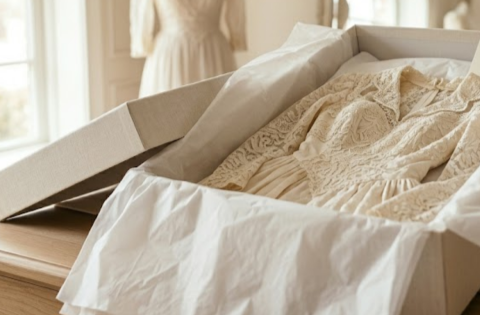
Wedding gown preservation is a specialized cleaning and packaging process designed to protect a bridal dress from aging, yellowing, fabric deterioration, and environmental damage over time.
Brides in New York often invest in preservation with the hope that their gown will remain in pristine condition for decades, whether for sentimental reasons, future generations, or potential reuse. A common question that arises is: how long does wedding gown preservation actually last? The answer depends on several factors, including the quality of preservation, storage conditions, fabric type, and how well the gown is handled after the process.
Average Lifespan of a Preserved Wedding Gown
On average, a professionally preserved wedding gown can last anywhere between 20 to 50 years in good condition. In some cases, gowns have been successfully preserved for even longer—up to a century—when stored under ideal archival conditions. However, it is important to understand that “preservation” does not mean the fabric is immune to aging. Instead, it significantly slows down the natural deterioration process by protecting the gown from moisture, oxygen, light, and contaminants that typically cause damage over time.
The longevity of preservation is not fixed. It is a combination of the preservation method used and how the gown is stored afterward. A high-quality preservation service paired with proper storage can extend the gown’s life for generations, while poor storage can reduce it to just a few years.
Role of Professional Preservation Techniques
The effectiveness of wedding dress preservation in New York largely depends on the cleaning and packaging methods used. Professional preservation typically involves deep cleaning to remove invisible stains such as body oils, sweat, sugar, and makeup residues. These substances, if left untreated, oxidize over time and cause yellow or brown stains.
After cleaning, the gown is carefully wrapped in acid-free tissue paper and placed in an acid-free preservation box or museum-grade container. Some services use vacuum-sealed packaging, while others use breathable archival boxes that help regulate airflow. The goal is to prevent exposure to light, humidity, and air pollutants.
Higher-quality preservation methods tend to last longer because they minimize chemical reactions within the fabric. However, even the best preservation techniques require proper storage conditions to maintain their effectiveness over time.
Impact of Storage Conditions on Longevity
Storage conditions play a critical role in determining how long a preserved wedding gown remains in excellent condition. Ideally, the gown should be kept in a cool, dark, and dry environment. Excess heat can weaken fibers, while humidity can lead to mold and mildew growth. Direct sunlight or even prolonged artificial light exposure can cause discoloration and fading.
A climate-controlled space is ideal, especially in regions with high humidity or temperature fluctuations. Closets near bathrooms, attics, or basements are generally not recommended due to moisture and temperature instability.
Proper placement also matters. The gown should be stored flat in its preservation box rather than hung, as hanging can stretch delicate fabrics over time. Avoiding frequent movement or opening of the box also helps maintain its long-term condition.
Fabric Type and Its Influence on Preservation Duration
Different fabrics age differently, which directly affects how long a preserved gown will last. Natural fabrics such as silk, satin, and cotton are more sensitive to environmental conditions compared to synthetic fabrics like polyester or nylon blends.
Silk, for example, is highly susceptible to yellowing if not properly treated and stored, even after preservation. Lace and embroidery may also weaken over time if exposed to fluctuating humidity levels. On the other hand, synthetic fabrics are generally more stable and may retain their appearance longer under the same preservation conditions.
This means that two gowns preserved using the same method may not last equally long if they are made from different materials. Understanding fabric composition helps set realistic expectations about preservation longevity.
How Handling Affects Preservation Quality
Even after professional preservation, how the gown is handled over the years can significantly influence its lifespan. Frequent unboxing, exposure to air, or touching the fabric without proper care can introduce oils and moisture that gradually damage the gown.
If the gown needs to be inspected, it should be handled with clean, dry hands or cotton gloves. It is also important to avoid storing additional items such as jewelry, perfume bottles, or accessories inside the preservation box, as these can release chemicals that affect the fabric.
Proper handling ensures that the protective environment created during preservation remains intact for as long as possible.
Signs That Preservation May Be Failing
Although preservation can last decades, it is not permanent. Over time, certain signs may indicate that the gown is beginning to deteriorate. Yellowing is one of the most common early indicators, often caused by oxidation of untreated residues or breakdown of fabric fibers.
Other signs include brittle fabric, fading of color, or a musty odor, which may suggest moisture infiltration or mold growth. If any of these signs appear, the gown may require re-preservation or professional restoration to prevent further damage.
Regular inspection every 5 to 10 years can help identify issues early and extend the gown’s lifespan.
Can Wedding Gowns Be Re-Preserved?
Yes, wedding gowns can be re-preserved if needed. In fact, re-preservation is sometimes recommended every couple of decades, especially if the gown is intended to be stored for future generations. The process involves carefully removing the gown from its box, assessing its condition, re-cleaning if necessary, and placing it back into fresh acid-free materials.
Re-preservation can effectively reset the protection cycle and significantly extend the gown’s lifespan, provided it is done correctly by professionals.
Conclusion: How Long Does Preservation Truly Last?
Wedding gown preservation is a highly effective method for protecting a dress for the long term, often lasting between 20 and 50 years, with the potential for even longer preservation under ideal conditions. However, its longevity is not determined by a single factor. It depends on professional cleaning quality, storage environment, fabric type, and careful handling over time.
While preservation greatly slows down natural aging, it does not completely stop it. With proper care and occasional re-preservation, a wedding gown can remain a beautiful heirloom for generations, carrying memories far beyond the wedding day itself.