Highland sits in northern Utah County near the mouth of American Fork Canyon, and many homes here are larger custom builds with steep pitches, multiple gables, dormers, and long valleys. Every extra angle is another place for water, snow, and wind to get in.
This guide breaks down the problems that most often lead to roof repair Highland UT homeowners deal with. For each one, you will find the warning signs, the likely cause, and the typical fix.
Problem 1: Ice Dams Along the Eaves
Warning signs: Thick ridges of ice at the roof edge, long icicles, water stains on ceilings near exterior walls, or peeling paint below the soffits after a thaw.
Cause: Heat escaping from the living space warms the upper roof deck and melts snow. That meltwater runs down to the colder eaves, refreezes, and builds a dam. More meltwater then backs up under the shingles. Complex rooflines with valleys and dormers trap snow and make this worse.
Typical fix: Safe ice dam removal uses steam, not hammers or chisels that crack shingles. The longer-term fix is addressing the heat source: sealing attic air leaks, adding insulation, and confirming ice and water barrier membrane runs past the warm wall line at the eaves.
Problem 2: Missing or Lifted Shingles From Wind
Warning signs: Shingle pieces in the yard, exposed dark patches or nail heads on the roof, or tabs that flap or stand up after a storm.
Cause: Strong canyon winds and spring storms catch shingle edges, especially on ridges, rakes, and high gable ends. Aging sealant strips lose their grip over time, and high-altitude UV speeds up that breakdown.
Typical fix: Missing shingles are replaced and matched as closely as possible, and lifted tabs are resealed or replaced. If many shingles lift at once, the sealant has likely failed roof-wide, turning a simple roof repair Highland UT job into a replacement discussion.
Problem 3: Hail Bruising and Granule Loss
Warning signs: Dark spots where granules are knocked off, soft or dented areas, dents in gutters and metal vents, or heavy granule buildup in downspouts.
Cause: Hail strikes crush the granule layer and can fracture the mat underneath. The damage often looks minor from the ground but shortens the life of the shingle and exposes it to UV.
Typical fix: A close inspection determines whether hail damage is cosmetic or functional. Isolated bruises may be repaired, but widespread damage often supports an insurance claim for broader replacement. Photograph everything before any work begins.
Problem 4: Flashing and Valley Leaks
Warning signs: Stains around chimneys, skylights, or where a roof meets a wall, damp drywall after rain or snowmelt, or rust on exposed flashing.
Cause: Highland’s custom homes often have many intersections, and each one depends on flashing. Sealant dries out, metal shifts during freeze-thaw cycles, and valleys carry heavy runoff that wears materials faster.
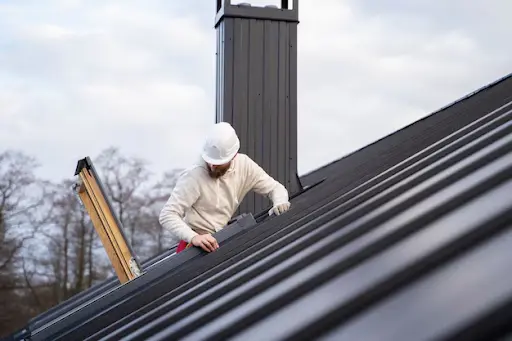
Typical fix: Roof flashing repair usually means removing nearby shingles, replacing step or counter flashing, and resealing properly. Valleys may need new underlayment and metal. A good roof leak repair traces the water to its true entry point, which is often several feet uphill from the stain inside. If you are comparing options for roof repair highland ut projects involving complex valleys, ask how the contractor handles flashing replacement versus surface sealing.
Problem 5: Poor Attic Ventilation
Warning signs: Frost on the underside of the roof deck in winter, musty smells, a hot upper floor in summer, or curling shingles.
Cause: Without balanced intake and exhaust, warm moist air gets trapped. In winter, that moisture condenses on cold surfaces. In summer, heat bakes shingles from below. Blocked soffit vents are a common culprit.
Typical fix: Improving attic ventilation might involve clearing soffit vents, adding baffles, or installing ridge vents. Pairing better airflow with air sealing also reduces ice dam risk, making it one of the most cost-effective types of roof repair Highland UT homes can get.
How to Prioritize Roof Repair Highland UT Issues
Not every problem is urgent. Active leaks, exposed decking, and missing shingles should be handled right away, since snow and rain will only push water further in. Ventilation and cosmetic hail marks can usually wait for a scheduled visit.
When you call for roof repair Highland UT crews can respond to, describe what you saw, where, and when. Photos from the ground or attic help a contractor plan before arriving.
Repair or Replace?
A few guidelines help:
- Repair when damage is limited to one area, the roof is relatively young, and the rest of the shingles are flexible and holding granules.
- Replace when damage is widespread, the roof is near the end of its expected life, or leaks keep returning in different spots.
- Consider insurance when hail or wind causes broad damage, since a covered claim can change the math.
- Think about layers: if the roof already has two layers, tearing off is usually required before new work.
Patching an aging roof again and again often costs more over time than a planned replacement. On the other hand, a solid roof with one damaged valley rarely needs to come off. A full replacement may need a permit, so check with Highland’s building department.
Conclusion
Most roof repair Highland UT homeowners face traces back to the same forces: snow, ice, wind, hail, and trapped heat, all multiplied by complex rooflines. Spotting warning signs early keeps small fixes from turning into structural damage.
Inspect after big storms and each spring, and act quickly on leaks. A careful approach to roof repair Highland UT properties need will protect the home through many more Utah seasons.