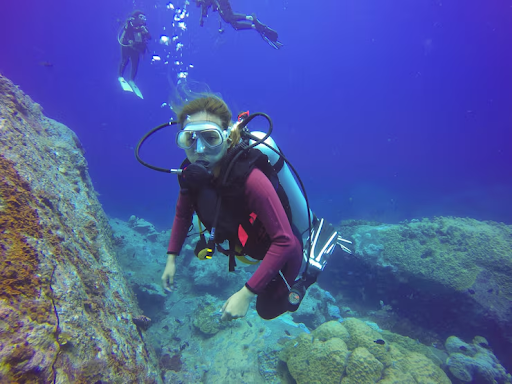
There’s a specific kind of nervousness that comes with trying scuba diving for the first time — not quite fear, but a healthy dose of “what if I panic down there?” It’s an extremely common feeling, and it’s exactly why a try dive Koh Lipe experience exists as an option: a way to test the waters, literally, without committing to a full multi-day certification course first.
What a Try Dive Actually Involves
Unlike a certification course, a try dive is designed for people with zero prior experience who just want to see what diving feels like. It typically starts on land or in shallow, calm water with a briefing on the basic equipment — how the regulator delivers air, how the mask seals, how buoyancy control works in simple terms — followed by a short skills practice in shallow water before heading to a real, though beginner-friendly, dive site under close supervision from an instructor.
The Part Everyone Worries About Beforehand
Almost every first-timer has the same underlying worry: breathing underwater feels unnatural, and what if it doesn’t work the way it’s supposed to? In practice, most people describe the first few breaths through a regulator as strange for about thirty seconds, followed by a surprisingly quick adjustment once it becomes clear that breathing normally, rather than holding their breath, is exactly what’s supposed to happen. Instructors running a try dive Koh Lipe session are specifically trained to watch for early signs of discomfort and slow the pace down immediately if a participant seems anxious, rather than pushing forward regardless.
What Makes a Good First Dive Site
Not every underwater location is suited to a first-timer, and this matters more than people realize when picking where to try diving. Calm, shallow water with minimal current and good visibility gives new divers the best chance of feeling comfortable rather than overwhelmed. Sites around Koh Lipe suited to this purpose tend to have gentle, gradual depth changes and colorful, easily visible reef life close to the surface — enough visual interest to make the experience memorable without the added complexity of managing current or navigating deeper water.
How Long the Whole Experience Takes
A typical try dive session, including the land-based briefing, shallow practice, and the actual open water portion, usually takes half a day. This isn’t a rushed five-minute dip — the briefing time matters for building genuine comfort before heading into open water, and cutting corners here is one of the clearer signs of an operator prioritizing speed over safety.
What Happens If It Turns Out Diving Isn’t for You
It’s worth saying plainly: not everyone loves it, and that’s a completely fine outcome. Some people find the sensation of being underwater with equipment on genuinely uncomfortable even after a proper introduction, and there’s no obligation to continue toward a full certification if a try dive doesn’t click. For those who do love it, though, the experience often becomes the deciding factor in booking a full open water course before the trip is even over — something operators like the one behind try dive experiences see fairly often among first-timers who arrive skeptical and leave planning their next dive already.
Who Should Consider Starting Here
A try dive makes the most sense for anyone who’s curious about diving but not ready to commit three or four days and a real financial investment to a full certification before knowing whether they’ll actually enjoy it. It removes the biggest barrier to trying something new — the fear of committing to something that might not suit you — and replaces it with a low-pressure, well-supervised way to actually find out.