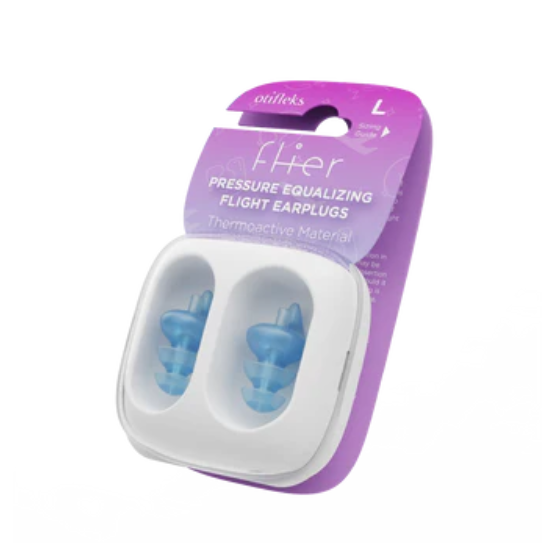
Travelling by air offers convenience and speed, but it can also bring discomfort—especially to your ears. Whether it’s the roar of the engines, crying babies, or the sudden change in cabin pressure during takeoff and landing, the skies aren’t always friendly to your hearing. That’s why savvy travellers often choose between airplane ear plugs and noise-cancelling headphones to enhance their in-flight experience.
But which one truly delivers at cruising altitude? Let’s compare the pros and cons of each option to determine which solution wins at 30,000 feet.
Understanding the Problem: Pressure and Noise
Before jumping into the comparison, it’s important to understand why air travel affects your ears. The two main culprits are:
- Cabin Pressure Changes: Rapid changes in altitude can cause your eustachian tubes to become blocked, leading to discomfort or pain in your ears—commonly referred to as “airplane ear.”
- Ambient Noise: Jet engines typically generate sound levels of 85 decibels or higher, enough to cause fatigue or irritability during a long flight.
With these challenges in mind, let’s break down what airplane ear plugs and noise-cancelling headphones offer in response.
Airplane Ear Plugs: Small but Effective
Airplane ear plugs are designed to regulate air pressure changes and reduce ambient sound. They often come in reusable or disposable forms and can be made from foam, rubber, or silicone earplugs.
Pros of Airplane Ear Plugs:
- Pressure Relief: Many ear plugs, especially those labelled for flying, include filters that slow down the pressure change in your ear canal. This helps reduce the risk of ear pain during takeoff and landing.
- Compact and Lightweight: These are small enough to fit in any pocket or travel kit.
- Affordable: They are usually inexpensive, especially compared to noise-cancelling headphones.
- Reusable Options: Silicone earplugs can be cleaned and reused, making them eco-friendly and budget-conscious.
Noise-Cancelling Headphones: High-Tech Comfort
Noise-cancelling headphones use active noise control (ANC) to counteract ambient sound. These work by emitting sound waves that neutralise the noise around you, creating a quieter environment.
Pros of Noise-Cancelling Headphones:
- Superior Noise Reduction: These are excellent for reducing the constant low-frequency drone of the aircraft, which can make a significant difference on long-haul flights.
- Entertainment Integration: You can watch movies, listen to music, or enjoy podcasts while blocking out distracting sounds.
- Comfort: Many high-end models come with padded ear cups that feel soft and secure, even on longer flights.
- Battery Dependence: Most models require a charged battery for noise-cancelling features to work, which may fail mid-flight if not charged beforehand.
Which One Should You Choose?
The decision ultimately depends on your personal priorities and travel habits. If you’re prone to ear pain from pressure changes, airplane ear plugs—especially filtered silicone earplugs—are a smart choice. They’re simple, non-intrusive, and directly address cabin pressure discomfort.
On the other hand, if you’re more concerned about noise pollution or are planning to watch in-flight entertainment, noise-cancelling headphones offer a more immersive and peaceful experience.
Best of Both Worlds?
Many frequent flyers actually opt to use both. Inserting a pair of airplane ear plugs during takeoff and landing can relieve pressure discomfort, and then switching to noise-cancelling headphones during cruising altitude provides excellent noise reduction and entertainment functionality.
Some headphones are also designed with passive noise isolation that can block some pressure effects when used with inner-ear tips, though this is not a substitute for true pressure-regulating plugs.
Conclusion
Both airplane ear plugs and noise-cancelling headphones offer unique benefits for flying comfort. If your primary issue is pressure-induced ear pain, silicone earplugs or filtered ear plugs are essential. If noise is your main annoyance, headphones with active noise cancellation are a worthwhile investment.
For the most comfortable flight experience, consider using them together. After all, protecting your ears and enhancing your comfort shouldn’t be a choice—it should be a travel standard.