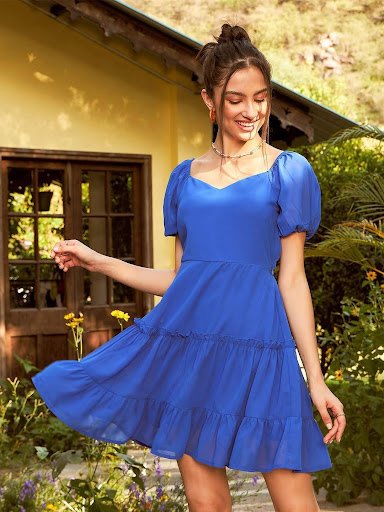
A dress can be the easiest item in the wardrobe or the one that needs the most adjusting. The difference usually comes down to cut, fabric and where you plan to wear it. A useful dress should let you get ready quickly and still feel comfortable once you sit, walk and spend a few hours in it.
Dress Style and Occasion Reference
| Style | Good For | Try It With |
| Shirt dress | Daytime and work | Flats, belts |
| A-line dress | Everyday plans | Sandals, light layers |
| Maxi dress | Travel and occasions | Flats, wedges |
| Gown | Evening events | Heels, minimal jewellery |
Decide Where the Dress Needs to Work
Start with the occasions already on your calendar. A dress for daytime needs different fabric and movement from an evening gown. If you are browsing Blue Dresses, think about whether you need the fabric for a tailored outfit, relaxed blue dresses or a piece that can be layered. The clearer the use, the easier it is to ignore styles that look good but do not solve the right problem.
Use the Shoulder and Waist as Fit Checks
The shoulders should sit without pulling, while the waist should fall where the design intends rather than ride up. On looser shapes, check that the fabric still hangs cleanly. Move your arms and sit down before deciding. A dress that only looks right while standing still will be tiring to wear.
Check Lining, Weight and Opacity
Light fabrics can be comfortable but may need lining. Heavier cloth can create a neater fall but may feel warm. When looking at White Gowns, check whether white gowns is lined, how the fabric closes at the back and whether the hem will work with your usual heel height. These practical details are easy to miss in photographs.
Think About the Shoes You Already Own
A dress becomes more useful when it works with footwear already in your wardrobe. Try to picture it with flats, sandals or heels you wear regularly. If a hem only works with one very specific shoe, the dress may be less flexible than it first appears.
Look at Care Before the Occasion Arrives
Special pieces are often worn less because they are difficult to clean or store. Read the care label before buying. If the fabric creases easily, think about travel and sitting. If it needs specialist cleaning, decide whether the extra care makes sense for how often you will wear it.
To Wrap Up
The right dress or gown should suit the occasion without making you work around it. Check fit while moving, understand the fabric, plan the shoes, and be realistic about care. A piece that passes those tests is much more likely to leave the wardrobe regularly. Before adding another option, compare it with something you already own and ask what new job it will actually do.
FAQs
- Which silhouette is most forgiving?
A line or wrap. A line releases from the waist and skims the hip, while a wrap ties to adjust to your own measurements.
- How do I avoid a transparent dress?
Check the description for a stated lining and read reviews for mentions of transparency. Photographs never show fabric thinness.
- Which length is most versatile?
Knee length. It works in offices with a dress code, at family occasions, and casually, where mini and maxi each suit fewer settings.
- Is white a nice choice for an event?
It photographs cleanly and shows every mark. It also carries specific associations in India, so consider the event before choosing it.
- Which measurement should I check?
All three. Bust, waist, and length separately rather than the letter size, since length in particular varies enormously between brands.