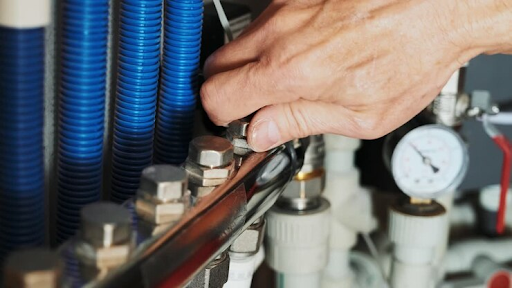
Water heater installation in Simi Valley follows a specific process that a qualified technician works through methodically. Whether you’re replacing an aging tank unit or upgrading to a tankless system, knowing what to expect during the installation helps you ask better questions, plan your day around the work, and verify that it was done correctly.
Step 1: Assessment and Selection
Before installation begins, a technician should assess your household’s hot water demand, the existing setup (gas vs. electric, venting configuration, available space), and whether any additional work is needed to accommodate the new unit. Tank size matters — an undersized unit won’t keep up with a large household, while an oversized one wastes energy heating water you don’t use.
This is also the moment to discuss tankless options if you haven’t already. Tankless units require different venting and may need electrical or gas line upgrades, which affects both cost and timeline.
Step 2: Permits and Compliance
In California, water heater installations require a permit from the local building department. This applies to both new installations and replacements. The permit process ensures the work is inspected to confirm it meets current code requirements — including proper seismic strapping, pressure relief valve installation, and correct venting. Work done without a required permit can create legal complications and insurance issues.
A licensed contractor handles this paperwork as a standard part of the job. If a plumber suggests skipping permits to save money or time, that’s a reason to look elsewhere.
Step 3: Removing the Old Unit
The technician will shut off water and gas (or electricity) to the existing unit, drain the tank, and disconnect the supply lines and venting. Draining a tank water heater takes time — usually 20 to 30 minutes depending on the size and sediment level. The old unit needs to be disposed of properly, which a reputable company handles as part of the service.
Step 4: Installing the New Unit
The new unit is positioned and connected to the water supply lines, gas line or electrical connections, and the flue or venting system. Flexible connectors are used on the water lines, and the pressure relief valve is connected and tested. On tank units, the anode rod is checked and the thermostat is set to the recommended 120°F — high enough to prevent bacterial growth, low enough to reduce scalding risk and energy waste.
For professional water heater installation in Simi Valley, Sketchley Mason Plumbing handles every step of the process, including permits, removal, installation, and scheduling follow-up inspections.
Step 5: Testing and Verification
Once the unit is connected, the technician restores water flow, checks for leaks at every connection point, and verifies that the burner (or heating element) ignites and runs properly. Hot water flow is tested at fixtures to confirm proper temperature and pressure. On gas units, the combustion process and venting are verified for safe operation.
Step 6: Walkthrough and Documentation
Before leaving, the technician should walk you through the location of the shut-off valves, the thermostat, and the pressure relief valve — and explain what each one does. You should receive documentation of the work completed, including the permit, the unit warranty, and any labor warranty.
How Long Does Installation Take?
A straightforward tank-for-tank replacement typically takes two to four hours. Tankless installations or those requiring additional work — such as upgraded gas lines, new venting runs, or electrical panel changes — can take a full day. Your technician should be able to give you a realistic time estimate upfront.
Understanding what the installation involves puts you in a much better position to evaluate whether the job was done right — and to maintain the unit properly over the years that follow.