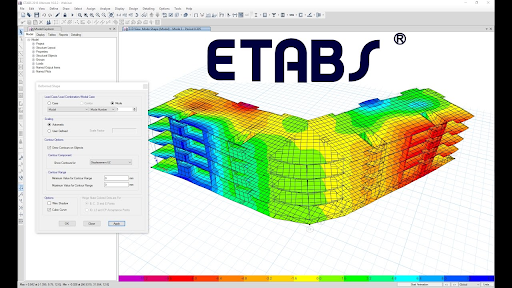
Structural engineering education becomes more effective when theoretical concepts are paired with real software practice. One of the most widely used tools in this field is structural analysis software that helps engineers evaluate building behaviour under different conditions. Learning through platforms like ETABS online training allows learners to understand real design workflows while building practical confidence in analysis and modelling.
This approach helps bridge the gap between classroom learning and industry expectations, especially for students aiming to work in design consultancies or construction firms.
Foundations of Structural Analysis in Engineering Practice
Structural analysis forms the backbone of civil engineering design, focusing on how structures respond to loads such as wind, seismic forces, and self-weight. Engineers study concepts like load distribution, bending moments, shear forces, and deflection to ensure safety and stability in buildings.
A strong foundation in these principles helps learners interpret software results more accurately and make informed design decisions. Without conceptual clarity, software outputs can be misunderstood, leading to unsafe or inefficient designs. Therefore, mastering fundamentals is essential before moving into advanced computational tools.
Software-Based Structural Modelling Essentials
Structural modelling converts design ideas into digital form by defining geometry, materials, and loads. It helps simulate real conditions and ensures accurate analysis and safe structural design.
Model Development and Geometry Setup
Creating accurate structural models begins with defining geometry, materials, and boundary conditions. Engineers translate architectural layouts into analytical models that represent real-world behaviour as closely as possible.
Load Application and Structural Behaviour
Applying different types of loads, such as live, dead, wind, and seismic loads, helps simulate real-life conditions. Understanding how these forces interact is key to reliable structural performance.
Analysis, Interpretation, and Result Validation
Once the analysis is completed, engineers interpret results like displacement, reaction forces, and stress distribution. Validation ensures that outputs align with engineering judgment and design codes.
Practical Workflow in Engineering Software
Real-world design requires a step-by-step workflow that includes modelling, analysis, and detailing. This workflow helps engineers maintain accuracy and efficiency throughout the project lifecycle.
Advanced Learning Through Simulation Practice
Simulation-based learning allows engineers to test multiple design scenarios and improve decision-making skills. This is where practical exposure becomes more valuable than theory alone.
In fact, learners pursuing ETABS online training gain the advantage of understanding how structural systems behave in real engineering environments, making them more confident in handling complex design challenges.
Certification and Career-Oriented Learning Paths
Professional growth in structural engineering often depends on validated skills and recognised certifications. Structured learning programs help learners build credibility and industry readiness.
Courses designed with project-based outcomes provide hands-on exposure that aligns with real consultancy requirements. Certification not only enhances a resume but also demonstrates technical proficiency in structural tools and design methodologies.
Programs such as the ETABS online course with certificate help learners gain structured guidance, assessment-based learning, and practical assignments that reflect real engineering tasks. This combination of learning and certification strengthens career opportunities in structural design and analysis roles.
Industry Applications of Structural Analysis Tools
Structural analysis software is widely used across residential, commercial, and industrial projects. Engineers rely on these tools to design high-rise buildings, bridges, industrial sheds, and infrastructure systems.
These applications ensure that structures meet safety standards while optimising material usage and cost efficiency. Software-based analysis also supports earthquake-resistant design, helping engineers create safer buildings in seismic zones.
By integrating computational tools into everyday practice, engineers improve accuracy, reduce design time, and enhance overall project efficiency.
Skill Development Through Guided Engineering Practice
Guided practice improves problem-solving and understanding of structural behaviour. It builds confidence in using design codes and interpreting results for real engineering work.
Understanding Load Transfer Mechanisms
Engineers learn how loads move through structural elements like beams, columns, and slabs, ensuring stability in the overall system.
Enhancing Analytical Thinking
Problem-solving skills improve when learners are exposed to real engineering challenges and design constraints.
Mastering Design Codes and Standards
Knowledge of IS codes and international standards ensures compliance and safety in structural projects.
Improving Software Proficiency
Regular practice with engineering software enhances speed, accuracy, and confidence in handling complex models.
Developing Real Project Experience
Working on simulated or real-world projects helps learners understand practical engineering workflows and decision-making processes.
Professional Growth in Structural Engineering
A successful career in structural engineering requires a combination of technical knowledge, software expertise, and practical exposure. As the construction industry continues to evolve, demand for skilled design engineers continues to grow steadily.
Professionals who invest time in learning analytical tools and real project applications are better positioned for roles in consultancy firms and construction companies. Strong design fundamentals combined with software proficiency create a solid foundation for long-term career growth.
Conclusion
Structural engineering becomes more impactful when learning is connected with real-world applications and guided practice. A well-structured structural designing course helps learners build both theoretical understanding and practical expertise needed in the industry.
Platforms like Civilera contribute significantly by offering structured training environments where learners can develop industry-relevant skills through hands-on experience and project-based learning. This blend of knowledge and application ensures that aspiring engineers are well-prepared to take on real structural design challenges with confidence and clarity.