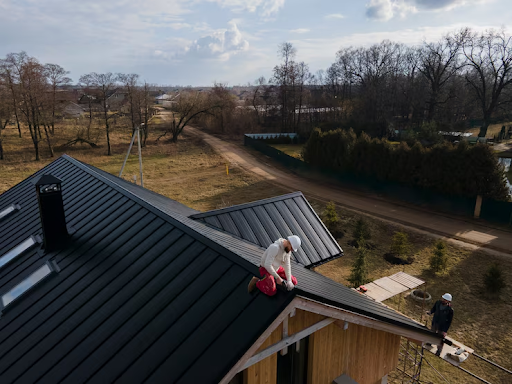
What is a low slope roof represents an important architectural concept affecting system design, material selection, and maintenance approaches. Low-slope roofs—featuring less than 4:12 pitch (less than 33% slope)—dominate commercial properties while appearing increasingly in residential applications. Understanding low-slope characteristics, comparing advantages and disadvantages, and recognizing appropriate applications helps property owners make informed roofing decisions.
Defining Low Slope Roofing
Low-slope roofs feature minimal pitch—the angle or steepness relative to horizontal. Building codes define low-slope (or flat) roofs as those with slopes less than 4:12 (approximately 18 degrees). This technical distinction creates distinct water management challenges and system requirements compared to steep-slope residential roofs.
Characteristics of Low Slope Roofs
Minimal Water Drainage
Water drains slowly on low-slope surfaces, requiring sophisticated drainage systems. Unlike steep roofs where gravity rapidly removes water, low-slope systems demand proper slopes, adequate drains, and regular maintenance preventing water accumulation.
Membrane-Based Systems
Low-slope roofs typically use single-ply membranes (TPO, EPDM, PVC) or built-up bituminous systems providing waterproof protection. These continuous membrane systems handle water differently than asphalt shingles designed for rapid drainage.
Extended Weather Exposure
Water remaining on low-slope surfaces longer creates extended UV and heat exposure. Membrane durability and UV resistance become critical considerations affecting system longevity.
Accessible Roof Surfaces
Low slopes enable safe roof access—maintenance, equipment service, or recreational use. This accessibility differs from steeply pitched residential roofs where access presents significant safety challenges.
Low Slope Roofing Material Options
TPO Membrane Roofing
Thermoplastic polyolefin membranes offer excellent UV resistance, flexibility in temperature extremes, and cost-effectiveness. TPO popularity continues growing due to balance between performance and affordability.
EPDM Rubber Systems
Ethylene propylene diene monomer provides proven, affordable protection. EPDM requires UV-protective coating but remains popular for budget-conscious projects.
PVC Membrane Systems
Polyvinyl chloride offers superior chemical resistance and durability. Higher costs justify through longevity and specialized performance characteristics.
Built-Up Roofing
Traditional BUR systems layer bituminous materials and aggregate creating proven protection. Effective but labor-intensive, BUR demonstrates longevity when properly installed.
Advantages of Low Slope Roofing
Cost-Effectiveness
Low-slope systems typically cost less per square foot than steep-slope installation. Membrane materials often cost less than quality shingle systems.
Usable Space
Accessible roof surfaces enable HVAC equipment placement, outdoor space creation, or recreational areas. This additional usable space adds property value.
Easier Maintenance Access
Roof service, equipment repair, or maintenance occurs safely on low-slope surfaces. Steep roofs present safety challenges limiting maintenance access.
Architectural Flexibility
Low slopes accommodate modern architectural styles emphasizing clean lines and contemporary aesthetics.
Challenges and Disadvantages
Water Pooling Risk
Improper slope or drain obstruction creates water pooling—standing water accelerates deterioration and creates safety hazards. Proper slope maintenance proves essential.
Membrane Vulnerability
Membranes vulnerable to puncture or tearing from foot traffic, equipment movement, or weather debris. Protective measures required preventing damage.
Regular Maintenance Necessity
Drainage systems require regular cleaning—debris removal, drain testing. Neglected maintenance creates expensive problems.
Drainage System Critical Importance
Interior Drains
Interior drain systems collect water, directing it through roof-internal pipes to exterior discharge. Proper function requires regular maintenance—debris removal, drain testing.
Scuppers and Overflow Systems
Secondary drainage pathways (scuppers) prevent catastrophic water accumulation if primary drains fail. Multiple drainage paths provide system redundancy.
Slope Verification
Minimum 2% slope (approximately 2.4 inches per 12 feet) enables adequate drainage. Improper slope creates pooling risks.
Comparing Low Slope vs. Steep Slope
Installation Differences
Low-slope installation emphasizes waterproof membranes and drainage. Steep-slope installation emphasizes rapid drainage and shingle interlocking.
Material Differences
Low-slope systems use membranes; steep slopes use shingles. Different materials address distinct water management challenges.
Maintenance Variations
Low-slope maintenance emphasizes drainage; steep-slope maintenance emphasizes shingle replacement and flashing.
Selecting Low Slope Roofing
Professional System Design
Proper design requires understanding site conditions—drainage patterns, climate, equipment loads. Professional assessment ensures appropriate system selection.
Material Selection
Choosing appropriate membranes balances performance requirements with budget. Professional guidance identifies optimal selections.
Installation Quality
Membrane sealing precision proves critical. Professional installation ensures proper seaming, flashing, and watertight system integrity.
Conclusion
Low-slope roofing represents an appropriate solution for many commercial and residential applications. Understanding low-slope characteristics, recognizing advantages and challenges, and selecting qualified professionals ensures systems providing reliInstallation Qualityable protection throughout intended lifespans. Proper maintenance extends longevity while preventing expensive failures.