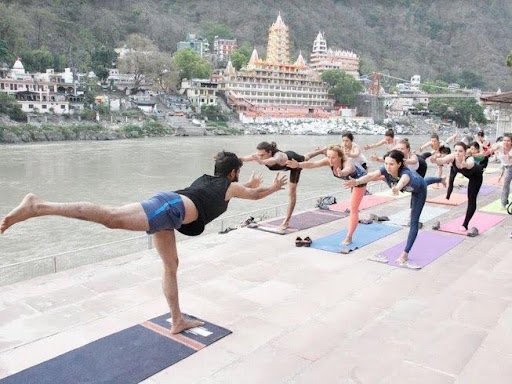
Rishikesh is widely known as one of the most important destinations for yoga, meditation, and spiritual learning. Surrounded by the Himalayan foothills and located beside the sacred Ganges, the city offers an environment where students can step away from daily distractions and focus on personal growth. For practitioners who already have a foundation in yoga and want to deepen their knowledge, choosing a 300 hour yoga teacher training in Rishikesh can be a meaningful next step.
A yoga ashram in Rishikesh provides more than a classroom-based learning experience. It combines traditional yogic teachings, disciplined routines, practical training, meditation, and an atmosphere designed to encourage self-awareness. Whether your goal is to become a more confident yoga teacher or develop a stronger personal practice, an immersive training program can provide valuable knowledge and experience.
Why Choose a Yoga Ashram in Rishikesh?
The ashram environment is one of the major reasons students choose Rishikesh for advanced yoga education. Instead of following a conventional course structure, students generally experience yoga as part of their everyday routine.
Life at a yoga ashram may include early morning practices, meditation, yoga philosophy, healthy meals, study sessions, and periods of quiet reflection. This structured lifestyle can help students develop consistency and discipline while giving them sufficient time to understand the principles behind the practices.
Rishikesh also offers a unique cultural setting. Students from different countries come here to study yoga, creating an international learning environment where different perspectives and experiences come together.
What Is 300 Hour Yoga Teacher Training?
A 300-hour yoga teacher training program is generally designed for practitioners who have already completed foundational yoga education or have significant experience with yoga. Compared with an introductory teacher training, a 300-hour course allows students to explore yoga practices and teaching methods in greater depth.
The curriculum can cover advanced asana techniques, pranayama, meditation, anatomy, yoga philosophy, teaching methodology, sequencing, adjustments, and other traditional practices.
Rather than focusing only on performing postures, the training encourages students to understand why a practice is performed, how it affects the body and mind, and how it can be taught safely and effectively.
What You Can Learn During the Training
A well-structured 300-hour program can provide a broad learning experience. Depending on the school and curriculum, students may study:
Advanced Asana Practice
Students can explore postures in greater detail, including alignment, modifications, transitions, variations, and appropriate preparation for more challenging asanas. The objective is not simply to perform difficult poses but to understand their purpose and application.
Pranayama and Breath Awareness
Breathing practices are an important part of traditional yoga. Students can learn different pranayama techniques, their traditional applications, preparation methods, and the importance of practicing them responsibly.
Meditation
Meditation sessions can help students develop concentration, awareness, and mental stillness. Learning different meditation approaches can also help future teachers introduce suitable techniques to their own students.
Yoga Philosophy
Yoga is more than physical exercise. Philosophy classes introduce students to classical yogic concepts and texts while helping them understand how these teachings relate to everyday life and modern yoga practice.
Anatomy and Physiology
Understanding the human body is essential for responsible yoga teaching. Students may study muscles, joints, movement patterns, posture, breathing mechanics, and basic principles that help teachers make informed decisions when guiding practitioners.
Teaching Methodology
Advanced training should also focus on teaching skills. Students can learn how to structure classes, communicate instructions clearly, demonstrate techniques, provide modifications, observe students, and create appropriate sequences.
The Importance of Ashram Living
One of the biggest differences between an ashram-based program and a regular short-term course is the immersive lifestyle.
Living at a yoga ashram in Rishikesh can encourage students to maintain a daily rhythm that supports their studies. Instead of attending a few classes and returning immediately to a busy lifestyle, students can spend several weeks surrounded by yoga-related learning.
A typical day may begin early with meditation or a yoga practice, followed by breakfast and theoretical classes. Afternoon sessions may involve anatomy, philosophy, teaching methodology, or practical training. Evening meditation or relaxation practices can provide time to reflect on the day’s learning.
This routine can help students experience yoga as a lifestyle rather than treating it as an occasional activity.
Who Should Consider 300 Hour Yoga Teacher Training?
A 300-hour course may be suitable for yoga teachers and dedicated practitioners who want to expand their knowledge beyond foundational training.
It can be particularly valuable for those who want to:
- Deepen their personal yoga practice
- Improve their teaching confidence
- Understand yoga philosophy more thoroughly
- Explore advanced asana and pranayama practices
- Develop better class sequencing skills
- Learn how to work with different student abilities
- Build a more authentic connection with traditional yoga
- Experience immersive ashram-based learning
Students should always review the individual school’s prerequisites because entry requirements can differ between programs.
Choosing the Right Yoga Ashram in Rishikesh
With many yoga schools and ashrams available, choosing the right program requires careful consideration. Start by reviewing the curriculum rather than selecting a course based only on its duration or promotional claims.
Look at the experience of the teaching team, daily schedule, accommodation, food arrangements, class size, practical teaching opportunities, and overall learning approach.
It is also useful to determine whether the program focuses more heavily on traditional yoga, modern teaching methodology, therapeutic applications, spiritual development, or a combination of these areas.
A good training environment should provide a balance between theory and practical experience. Students should have opportunities to ask questions, practice teaching, receive feedback, and gradually develop confidence.
Rishikesh as a Learning Environment
Beyond the training campus, Rishikesh itself contributes to the overall experience. The presence of the Ganges, Himalayan landscape, temples, meditation spaces, and long-standing yoga traditions creates a distinctive atmosphere for students.
During free time, students can explore the city’s cultural and natural surroundings while maintaining a respectful approach to local traditions. The environment can encourage introspection and provide opportunities to disconnect from the constant pace of modern life.
For international students, the experience can also offer exposure to Indian culture and traditional approaches to spirituality and wellness.
Building Confidence as a Yoga Teacher
Completing an advanced training program is not only about collecting another certificate. The real value comes from applying what you learn.
Students can use practical teaching sessions to improve voice projection, instructions, sequencing, observation, adjustments, and classroom management. Constructive feedback from experienced teachers can help identify weaknesses and develop a more confident teaching style.
Over time, this combination of knowledge and practice can help students create classes that are safe, meaningful, and appropriate for their participants.
Why an Immersive Experience Can Make a Difference
Learning yoga in an immersive environment allows students to dedicate their attention to study and practice. The combination of structured routines, traditional teachings, practical classes, and community living can create a deeper educational experience.
For someone searching for 300 hour yoga teacher training in Rishikesh, an ashram-based program can therefore be considered not simply as a professional course, but as an opportunity to explore yoga from multiple dimensions.
Begin Your Advanced Yoga Journey in Rishikesh
Choosing an advanced yoga teacher training program is an important decision. The right course should match your experience, learning objectives, teaching goals, and preferred approach to yoga.
A 300 hour yoga teacher training in Rishikesh can provide an opportunity to study advanced practices while experiencing the discipline and simplicity of ashram life. From asana and pranayama to meditation, philosophy, anatomy, and teaching methodology, the experience can help practitioners build a stronger foundation for their continued journey.
If you are ready to take your yoga practice beyond the basics, spending dedicated time at a yoga ashram in Rishikesh can be a transformative step toward deeper learning, greater self-awareness, and more confident teaching.
For More Info Visit:- leadersmagazine.org