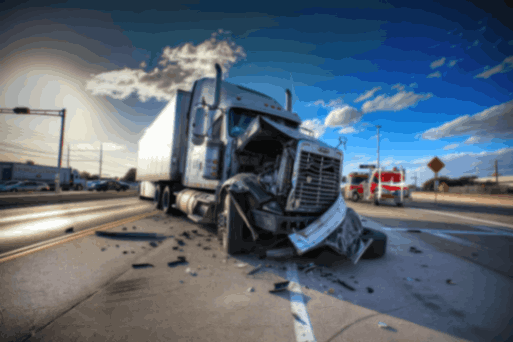
When you think of dangerous roads in Florida, two highways stand out: Interstate 95 (I-95) and Interstate 75 (I-75). These major routes are vital for commerce, travel, and daily commutes—but they also rank among the most dangerous roads in Florida, especially for large commercial trucks.
If you’ve ever driven alongside a speeding 18-wheeler on I-95 or navigated the congested lanes of I-75, you already know: these roads demand your full attention.
Let’s explore why I-95 and I-75 have become truck accident hotspots in Florida, what makes them so dangerous, and what you can do if you or a loved one is involved in a trucking crash on these highways.
1. High Traffic Volume, 24/7
Both I-95 and I-75 are major interstate highways that run through heavily populated areas and connect key cities like Miami, Fort Lauderdale, Tampa, and Orlando.
Why it matters:
- These routes carry a high volume of passenger and commercial traffic, including long-haul trucks transporting goods to and from ports and distribution centers.
- The sheer number of vehicles increases the chances of multi-vehicle accidents, especially during rush hours or holiday weekends.
2. Heavy Commercial Truck Presence
Florida is a major hub for freight and logistics. I-95 and I-75 are essential arteries for freight transportation, especially with major ports like Port Miami and Port Everglades nearby.
The risks:
- Long-haul truck drivers often face tight delivery schedules, leading to speeding, fatigue, or distracted driving.
- Commercial trucks have large blind spots and require more time to stop—making them particularly dangerous in stop-and-go traffic or during sudden slowdowns.
3. Unpredictable Weather Conditions
Florida’s sudden rainstorms and fog can turn a normal commute into a dangerous one in seconds—especially on fast-moving highways.
How this contributes:
- Poor visibility and slick roads increase the likelihood of hydroplaning or jackknife accidents involving large trucks.
- Sudden weather shifts often catch drivers off guard, especially tourists or out-of-state truckers unfamiliar with Florida’s conditions.
4. Road Design and Construction Zones
Ongoing roadwork and outdated infrastructure can also play a role.
- On I-95, tight lane merges and older road designs in urban areas make it difficult for large trucks to navigate safely.
- On I-75, especially in Southwest Florida, construction zones often create narrow lanes, reduced shoulders, and abrupt detours—all risky conditions for high-speed commercial vehicles.
5. Driver Error and Negligence
Despite regulations, some truck drivers:
- Exceed legal driving hours (leading to fatigue)
- Use mobile devices behind the wheel
- Fail to properly maintain their vehicles
When combined with the high-speed, high-stakes environment of I-95 and I-75, these behaviors can lead to devastating accidents.
What to Do After a Truck Accident on I-95 or I-75
If you’re involved in a truck accident on one of these dangerous highways, it’s crucial to:
- Seek medical attention immediately
- Document the scene (photos, witness statements, police report)
- Avoid giving recorded statements to insurance adjusters
- Contact an experienced Florida truck accident lawyer
These cases are often complex and involve multiple parties—truck drivers, employers, insurers, and even government agencies in charge of road maintenance.
Know Your Rights
Truck accidents often lead to serious injuries, long-term medical care, and lost wages. You may be entitled to compensation for:
- Medical expenses
- Lost income
- Pain and suffering
- Property damage
- Future care costs
But time is critical. Evidence can disappear quickly, especially on busy highways like I-95 and I-75.