A person in their sixties may have lived with knee pain for years, managing it with physiotherapy, medicines and changes to daily activity. But when climbing stairs becomes difficult, sleep is disturbed or even short walks start requiring frequent breaks, the question of surgery can begin to feel more immediate. It is also natural to wonder whether the pain is severe enough to justify an operation or whether other options should still be tried.
Total Knee Replacement (TKR) surgery is not recommended simply because someone has arthritis or has reached a certain age. It is considered after looking at how much the knee problem affects daily life, the condition of the joint and how well suitable non-surgical treatments have worked. [1] Understanding these factors can make the decision feel less overwhelming and help patients have clearer discussions with their orthopaedic team.
When May TKR Surgery Be Considered?
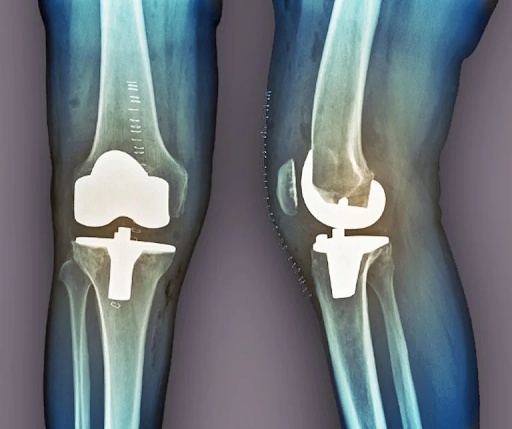
TKR surgery involves replacing damaged surfaces of the knee joint with artificial components. It may be considered when pain, stiffness or reduced movement has become difficult to manage and is significantly affecting everyday life.
Situations that may lead to a discussion about surgery include:
- Persistent Pain: Knee pain continues despite appropriate treatment.
- Reduced Mobility: Walking, stairs or routine activities become increasingly difficult.
- Pain at Rest: Discomfort continues even when the knee is not being used.
- Joint Deformity: Changes in alignment begin affecting movement or walking.
- Limited Benefit from Treatment: Physiotherapy, medicines or other suitable measures no longer provide enough relief.
These signs do not automatically mean surgery is required. They indicate that a more detailed orthopaedic assessment may help clarify the available options.
What Treatments Are Usually Considered Before TKR Surgery?
Non-surgical care remains an important part of managing knee osteoarthritis. NICE recommends therapeutic exercise tailored to individual needs and may also recommend weight management where appropriate. [1]
Depending on the condition, treatment may include:
- Physiotherapy: To improve strength, movement and function.
- Medicines: To help manage pain when clinically appropriate.
- Activity Changes: To reduce strain while maintaining mobility.
- Weight Management: Where excess weight contributes to symptoms.
- Walking Aids: To provide additional support when required.
For some people, these approaches provide enough improvement to continue without surgery. For others, symptoms may remain limiting despite appropriate treatment. In that situation, TKR surgery may become a reasonable option to discuss rather than something that must automatically be pursued.
What Are the Possible Risks of TKR Surgery?
Like any operation, knee replacement carries some risk, and understanding this is part of making an informed decision. Serious complications are uncommon. A serious knee joint infection, for example, occurs in fewer than 2% of patients, and major medical complications are rarer still. Existing health conditions can raise the risk.
Points an orthopaedic team may discuss include:
- Infection: Near the wound or around the implant, sometimes treated with antibiotics and sometimes needing further surgery.
- Blood Clots: Among the more common complications, which is why a prevention plan is usually put in place.
- Implant Wear or Loosening: Surfaces may wear or components may loosen over time.
- Stiffness or Continued Pain: Movement is occasionally limited, though continued pain is rare.
Discussing these with the surgeon beforehand helps weigh the likely benefits against the possible downsides.
What Does Recovery After TKR Surgery Involve?
Recovery is an important part of the decision because knee replacement is followed by rehabilitation rather than an immediate return to normal activity.
It is recommended to start rehabilitation on the day of surgery where possible, or within 24 hours. Early rehabilitation generally focuses on getting the patient moving safely, beginning suitable exercises and providing guidance for everyday activities. [3]
After discharge, physiotherapy and regular exercises help improve strength, knee movement and walking ability. Progress differs from person to person and depends on factors such as general health, mobility before surgery and response to rehabilitation. Patients may also need some help with everyday tasks during the early weeks of recovery. [2]
Understanding this recovery commitment beforehand can help patients plan practical support at home and set realistic expectations about returning to routine activities.
When Is It Time to Speak to an Orthopaedic Specialist?
A specialist consultation may be useful when knee pain repeatedly affects walking, sleep, work or daily activities despite appropriate treatment. The purpose of the consultation is not simply to confirm that surgery is needed. An orthopaedic specialist can assess the knee, review previous treatments and explain whether continued non-surgical care remains suitable or whether TKR surgery should now be considered.
For patients exploring knee replacement, factors such as orthopaedic expertise, rehabilitation support and access to appropriate diagnostics can help when choosing a hospital. BLK-Max Super Speciality Hospital provides total knee replacement services for patients who require specialist surgical evaluation and care.
Key Takeaways
TKR surgery may be considered when knee pain, stiffness and reduced mobility continue to affect everyday life despite suitable non-surgical treatment. Before recommending surgery, doctors look at the severity of symptoms, response to earlier treatment, overall health and how much the condition limits daily activities.
The decision also involves understanding the possible risks, the rehabilitation required after surgery and the expected recovery process. A detailed orthopaedic evaluation can bring these factors together and help patients decide whether continued conservative care or knee replacement is the more suitable option.