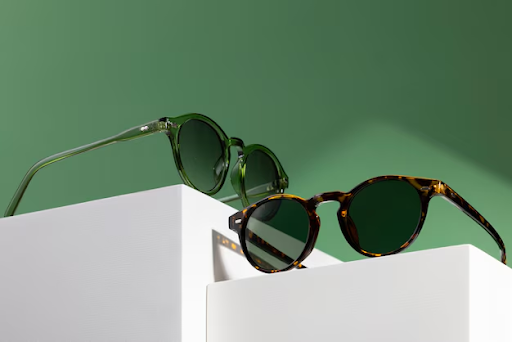
For many people, moving between indoor and outdoor environments is a routine part of everyday life. However, individuals with heightened sensitivity to bright light often experience discomfort during these transitions. Squinting, eye strain, and difficulty adjusting to changing lighting conditions can affect both comfort and daily activities. This is where photochromic glasses may offer meaningful benefits.
Designed to adapt automatically to varying light levels, photochromic lenses combine vision correction with light-responsive technology. For individuals seeking glasses for light sensitivity, these lenses provide a convenient option that supports visual comfort without the need to switch constantly between prescription glasses and sunglasses.
What Are Photochromic Glasses?
Photochromic glasses feature lenses that darken automatically when exposed to ultraviolet (UV) light and return to a clearer state indoors.
These lenses are often referred to as:
- Light-adaptive lenses
- Transition lenses
- Light-responsive lenses
According to eye care experts, photochromic lenses remain clear indoors while darkening outdoors in response to UV exposure.
This adaptive functionality allows wearers to use one pair of glasses in a variety of lighting conditions.
How Do Photochromic Lenses Work?
The technology behind photochromic lenses relies on specialized molecules embedded within the lens material.
When exposed to UV radiation:
- The molecules undergo a reversible chemical reaction.
- The lenses darken gradually.
- Visual comfort improves in bright environments.
When UV exposure decreases:
- The lenses fade back toward their clear state.
- Indoor vision remains largely unaffected.
Modern photochromic technologies are designed to transition more efficiently than earlier versions, improving convenience for everyday wearers.
Understanding Light Sensitivity
Light sensitivity, also known as photophobia, refers to discomfort experienced when exposed to bright light. While occasional sensitivity may occur naturally in intense sunlight, some individuals experience more pronounced symptoms.
Common experiences associated with light sensitivity include:
- Squinting outdoors
- Eye fatigue
- Headaches triggered by brightness
- Difficulty adjusting between lighting environments
- Discomfort during prolonged outdoor exposure
People experiencing persistent or worsening symptoms should consult an eye care professional to identify any underlying causes.
Why Photochromic Glasses May Help
Many individuals exploring glasses for light sensitivity are looking for practical ways to reduce visual discomfort throughout the day.
Adaptive Comfort
Photochromic lenses automatically respond to changing light conditions, helping minimize abrupt adjustments when moving indoors or outdoors.
Reduced Squinting
By darkening in bright sunlight, these lenses may encourage more relaxed vision and lessen the need to squint.
Everyday Convenience
One of the greatest advantages of photochromic glasses is eliminating the need to carry separate prescription sunglasses.
UV Protection
Many photochromic lenses provide protection against harmful UVA and UVB rays regardless of whether they appear clear or dark.
Who Might Benefit From Glasses for Light Sensitivity?
Photochromic lenses may appeal to individuals with diverse lifestyles and visual needs.
Professionals on the Go
People who transition frequently between offices, outdoor settings, and appointments often appreciate the convenience of adaptive lenses.
Students
Moving between classrooms and outdoor environments throughout the day can make photochromic lenses particularly practical.
Outdoor Enthusiasts
Individuals who spend significant time outside may benefit from enhanced visual comfort during recreational activities.
Those Sensitive to Bright Conditions
Research suggests that people experiencing light sensitivity may appreciate the reduced glare and comfort associated with adaptive lens technologies.
Important Considerations
Although photochromic glasses offer several benefits, understanding their limitations can help set realistic expectations.
Transition Time
Lenses do not change instantly. While many darken relatively quickly, returning to a fully clear state may take several minutes.
Driving Performance
Traditional photochromic lenses may not darken completely inside vehicles because windshields block portions of UV radiation.
Additional Sunglasses May Still Be Useful
Some individuals with significant light sensitivity may continue using dedicated sunglasses during prolonged exposure to intense sunlight.
An eye care professional can help determine the most suitable approach.
Customizing Photochromic Glasses
Photochromic technology is compatible with a variety of prescription requirements.
Available options may include:
- Single-vision lenses
- Progressive lenses
- High-index lenses
- Anti-reflective coatings
- Scratch-resistant treatments
These choices allow wearers to tailor their eyewear according to both visual needs and lifestyle preferences.
Caring for Photochromic Glasses
Maintaining photochromic lenses properly helps preserve their performance over time.
Recommended care practices include:
- Cleaning lenses with microfiber cloths
- Using approved lens-cleaning solutions
- Storing glasses in protective cases
- Avoiding exposure to excessive heat
- Handling eyewear carefully during daily use
Consistent maintenance supports both clarity and durability.
Supporting Comfort in Changing Light Conditions
Photochromic glasses provide a practical combination of convenience, adaptability, and eye protection. Their ability to respond automatically to changing environments makes them a valuable option for many individuals seeking glasses for light sensitivity.
While they may not completely replace specialized sunglasses in every situation, photochromic lenses offer an effective way to simplify daily routines while promoting visual comfort. For those navigating varying light conditions throughout the day, these adaptive lenses represent an innovative approach to modern eyewear that prioritizes both function and convenience.