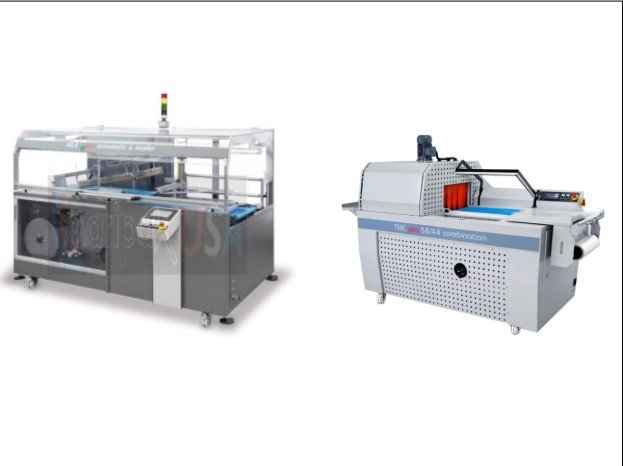
When working with a semi-automatic L sealer machine, adjusting settings for different film gauges is crucial to ensure optimal sealing performance and prevent issues like film tearing or poor seal integrity. These machines are versatile and can handle various film types, but each gauge requires specific adjustments.
Understanding Film Gauges and Their Importance
Film gauge refers to the thickness of the shrink film used in packaging. Thicker films (higher gauge numbers) require more heat and pressure to seal effectively, while thinner films (lower gauge numbers) need less. Using the correct settings for each film gauge ensures strong seals and efficient operation.
Key Settings to Adjust for Different Film Gauges
1. Sealing Temperature
The sealing temperature is critical for achieving a proper seal. For thicker films, increase the temperature to ensure the heat penetrates adequately. Conversely, for thinner films, reduce the temperature to prevent burning or excessive shrinkage. Always refer to the film manufacturer’s recommendations for optimal sealing temperatures.
2. Dwell Time
Dwell time is the duration the sealing bars remain closed during the sealing process. Thicker films require a longer dwell time to ensure a complete seal, while thinner films need a shorter dwell time to prevent overheating. Adjusting this setting helps in achieving consistent and reliable seals across various film gauges.
3. Sealing Pressure
Adjusting the sealing pressure is essential for different film gauges. Higher pressure may be needed for thicker films to ensure proper sealing, whereas lower pressure is suitable for thinner films to avoid crushing or damaging the product. Experimenting with pressure settings can help find the optimal balance for each film type.
4. Cooling Time
After sealing, the film needs adequate cooling to set the seal properly. Thicker films may require a longer cooling time to ensure the seal holds, while thinner films need less time. Adjusting the cooling time helps in maintaining the integrity of the seal and preventing issues like seal failure or film distortion.
5. Film Tension and Alignment
Proper film tension and alignment are crucial for consistent sealing. Ensure that the film is correctly threaded through the machine and that there is consistent tension across the film width. This adjustment prevents wrinkles, misalignments, and ensures that the film is evenly distributed during the sealing process.
Testing and Fine-Tuning
Before starting full production runs, it’s advisable to conduct test seals with the specific film gauge to fine-tune the settings. Monitor the seals for any signs of issues such as incomplete seals, burn marks, or film tearing. Adjust the settings accordingly until the desired seal quality is achieved.
Maintenance Tips
Regular maintenance of the semi-automatic L sealer machine ensures consistent performance across different film gauges. Keep the sealing bars clean and free from debris, and regularly inspect the machine for any wear or damage. Proper maintenance extends the lifespan of the machine and maintains seal quality.
Conclusion
Adjusting settings for different film gauges in a semi-automatic L sealer machine is essential for achieving optimal sealing performance. By carefully adjusting sealing temperature, dwell time, sealing pressure, cooling time, and film tension, operators can ensure strong and reliable seals across various film types. Regular testing and maintenance further enhance the machine’s efficiency and longevity. For high-volume applications or complex packaging needs, integrating a shrink bundler can streamline the process and improve productivity.