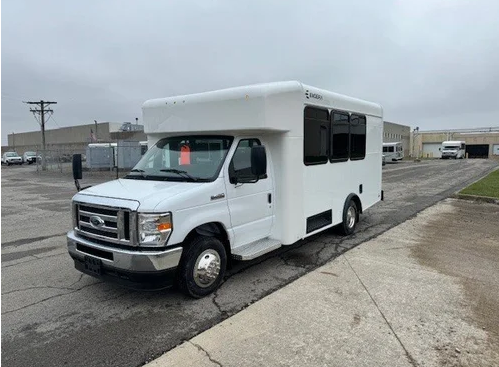
The transportation industry is undergoing a major transformation as businesses seek sustainable and cost-effective solutions. Electric commercial vehicles (ECVs) have emerged as a game-changing innovation, offering eco-friendly alternatives to traditional fuel-powered fleets. With advancements in battery technology, charging infrastructure, and government incentives, companies are rapidly adopting electric vehicles to reduce emissions, lower operating costs, and align with global sustainability goals. From delivery vans to heavy-duty trucks, electric commercial vehicles are shaping the future of business transportation.
What Are Electric Commercial Vehicles?
Electric commercial vehicles are vehicles powered entirely or partially by electricity, designed specifically for commercial use. Unlike conventional vehicles that rely on gasoline or diesel, ECVs use electric motors and rechargeable batteries, making them cleaner and more energy-efficient.
Types of Electric Commercial Vehicles
- Electric Delivery Vans – Ideal for last-mile deliveries with zero emissions.
- Electric Trucks – Suitable for logistics and long-haul operations with growing battery ranges.
- Electric Buses – Common in public transportation, offering quiet, clean rides.
- Specialty Electric Vehicles – Used in industries such as construction, airports, and warehousing.
Benefits of Electric Commercial Vehicles for Businesses
The shift to electric fleets offers multiple advantages beyond environmental benefits.
Reduced Operating Costs
Electric vehicles have fewer moving parts, which lowers maintenance costs. Additionally, electricity is generally cheaper than fuel, reducing overall operational expenses.
Lower Emissions
ECVs significantly cut greenhouse gas emissions, helping businesses meet environmental standards and appeal to eco-conscious customers.
Enhanced Efficiency
With instant torque and smooth acceleration, electric vehicles provide efficient performance while minimizing downtime.
Government Incentives
Many regions offer tax credits, grants, and other incentives to encourage businesses to adopt electric fleets, further reducing upfront costs.
Challenges in Adopting Electric Commercial Vehicles
While the benefits are clear, businesses must address certain challenges before transitioning to electric fleets.
Charging Infrastructure
Access to reliable charging stations is crucial. Companies may need to invest in on-site charging facilities for fleet operations.
Initial Costs
Although prices are gradually decreasing, electric vehicles often have higher upfront costs compared to traditional options.
Battery Limitations
Battery range and charging times can pose challenges for long-haul transport, though advancements continue to improve these aspects.
How Businesses Can Transition to Electric Fleets
A strategic approach can make the transition to electric commercial vehicles smoother and more cost-effective.
Assess Fleet Requirements
Evaluate your fleet size, routes, and energy needs to determine the best electric vehicle options for your operations.
Start with a Pilot Program
Implementing a small number of electric vehicles initially helps identify potential challenges and measure performance before scaling up.
Invest in Charging Solutions
Installing charging stations at key locations ensures vehicles remain operational without delays.
Train Staff and Drivers
Educating drivers and technicians on electric vehicle operation and maintenance maximizes efficiency and prolongs vehicle lifespan.
The Future of Electric Commercial Vehicles
As technology advances, the future of electric commercial vehicles looks promising. Battery innovations are increasing range and reducing charging times, while renewable energy integration is making ECVs even more sustainable. Autonomous driving technology is also on the horizon, potentially enhancing fleet efficiency and safety. Governments and businesses alike are committed to achieving carbon neutrality, and electric fleets play a key role in this transition.
Conclusion
Electric commercial vehicles are revolutionizing the way businesses approach transportation. By reducing emissions, cutting operational costs, and supporting sustainability efforts, they offer a powerful alternative to traditional fleets. While challenges such as infrastructure and initial investment remain, rapid technological advancements are paving the way for widespread adoption. Companies that embrace electric vehicles today are not only contributing to a cleaner environment but also positioning themselves as leaders in the future of transportation. Businesses managing fleet commercial vehicles stand to benefit the most, as transitioning to electric options can significantly improve efficiency and reduce long-term costs. The move toward electric commercial fleets is more than a trend—it’s a strategic step toward a greener, more efficient business landscape.