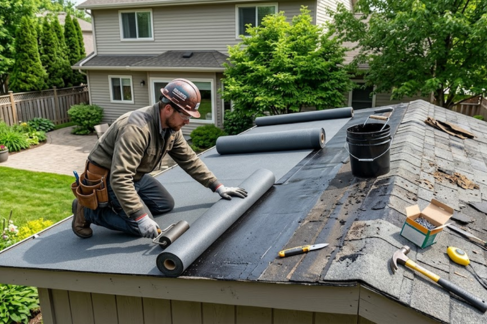
Roll roofing is one of the most affordable and straightforward roofing materials used for low-slope structures such as garages, sheds, porches, and small outbuildings. Because it is lightweight and easy to install, many homeowners consider it a DIY-friendly solution. However, a common question arises during renovation projects: Can you install roll roofing over existing roofing?
The short answer is yes—in some cases, roll roofing can be installed over an existing roofing layer. However, whether it is a good idea depends on several factors, including the condition of the existing roof, local building codes, and long-term performance expectations.
In this guide, we’ll break down when it is acceptable, when it should be avoided, and the pros and cons of installing roll roofing over an existing roof.
Understanding Roll Roofing
Before deciding whether laying rolled roofing over an existing surface is a good idea, it’s important to understand what roll roofing is.
Roll roofing is an asphalt-based roofing material that comes in large rolls, typically 36 inches wide. It is similar in composition to asphalt shingles but thinner and less durable. It is commonly used for:
- Low-slope residential roofs
- Garages and sheds
- Utility buildings
- Temporary roofing solutions
Roll roofing is installed by unrolling the material across the roof surface and securing it with nails, roofing cement, or adhesive.
Because of its simplicity, it is often used for budget-friendly roofing projects.
Can You Install Roll Roofing Over Existing Roofing?
Yes, in certain situations, you can install roll roofing over an existing roofing layer, but only if the underlying roof is in good condition.
It is generally acceptable when:
- The existing roof is smooth and structurally sound
- There are no major leaks or soft spots
- The surface is clean and dry
- Local building codes allow overlay installation
- Only one layer of old roofing exists
However, it is NOT recommended if:
- The existing roof is damaged or rotting
- There are multiple roofing layers already
- The roof has significant moisture issues
- The surface is uneven or deteriorating
Installing over a compromised roof will only trap problems underneath and shorten the lifespan of the new roll roofing system.
Pros of Installing Roll Roofing Over Existing Roofing
While not always ideal, there are several advantages to installing roll roofing over an existing roof layer when conditions are suitable.
1. Lower Installation Costs
One of the biggest benefits is cost savings. By avoiding tear-off work, homeowners can reduce:
- Labor costs
- Disposal fees
- Time required for installation
This makes it an attractive option for budget-conscious projects.
2. Faster Installation Process
Since there is no need to remove the old roofing material, installation is significantly quicker. This is especially useful for small structures like sheds or garages where speed is a priority.
3. Reduced Waste
Overlaying roll roofing eliminates the need to dispose of old roofing materials, making it a more environmentally friendly option in some cases.
Less waste also means fewer trips to the landfill and reduced cleanup time.
4. Temporary Roofing Solution
In some situations, installing roll roofing over an existing layer can serve as a temporary fix until a full roof replacement is possible.
It can help prevent leaks and protect the structure in the short term.
Cons of Installing Roll Roofing Over Existing Roofing
Despite the benefits, there are several significant drawbacks to consider before choosing this method.
1. Hidden Damage Remains
The biggest risk is that any existing damage beneath the new layer remains hidden. Issues such as:
- Rotting wood
- Mold growth
- Moisture buildup
- Structural weaknesses
can continue to worsen without being detected. This often leads to more expensive repairs in the future.
2. Reduced Lifespan of New Roofing
Roll roofing is already less durable than other roofing materials. Installing it over an uneven or aging surface can further reduce its lifespan.
Problems may include:
- Premature cracking
- Poor adhesion
- Uneven wear
- Increased vulnerability to leaks
3. Moisture Trapping
One of the most serious concerns is trapped moisture between layers. If the existing roof has even minor moisture issues, adding a new layer can seal in dampness.
This may result in:
- Mold and mildew growth
- Wood rot
- Structural deterioration
- Odor problems inside the structure
4. Uneven Surface Problems
Roll roofing requires a smooth, clean base for proper installation. Any bumps, nails, or imperfections in the old roof will show through the new layer.
This can lead to:
- Poor sealing
- Water pooling
- Weak points in the roofing membrane
5. Code and Warranty Issues
Some local building codes prohibit installing new roofing over multiple existing layers. Additionally, manufacturers may void warranties if roll roofing is installed over an unapproved surface.
It is always important to check local regulations before proceeding.
When You Should Remove the Old Roof Instead
In many cases, it is better to remove the existing roofing before installing new roll roofing.
A full tear-off is recommended when:
- The roof shows signs of water damage
- There are multiple existing layers
- The surface is uneven or deteriorating
- Long-term durability is a priority
Although it increases upfront cost, it ensures a stronger and longer-lasting roofing system.
Proper Installation Tips for Roll Roofing
If you decide to install roll roofing over an existing roof, proper installation is critical. So, how to install roll roofing over existing roll roofing? Here a few tips you can consider:
1. Clean the Surface Thoroughly
Remove debris, dirt, and loose materials to ensure proper adhesion.
2. Check for Structural Issues
Repair any soft spots or damaged decking before installation.
3. Use Roofing Cement or Adhesive Properly
Ensure strong bonding between layers to prevent lifting or curling.
4. Overlap Seams Correctly
Proper overlapping helps prevent water infiltration.
5. Secure Edges Carefully
Edges are the most vulnerable points and require extra attention.
DIY vs Professional Installation
While roll roofing is often considered DIY-friendly, installing it over an existing roof can be more complex than it appears.
A professional roofer can:
- Evaluate underlying roof conditions
- Ensure compliance with local codes
- Properly prepare the surface
- Install the material for maximum durability
This reduces the risk of premature failure and costly repairs.
Final Thoughts
So, can you install roll roofing over existing roofing? Yes—but only under the right conditions. While it may offer cost savings and faster installation, it also comes with risks such as trapped moisture, reduced lifespan, and hidden structural damage.
For small structures with stable roofing conditions, an overlay may be a practical short-term solution. However, for long-term durability and performance, removing the old roofing is often the better choice.
Understanding the pros and cons of roll roofing installation helps homeowners make informed decisions and avoid costly mistakes in the future.