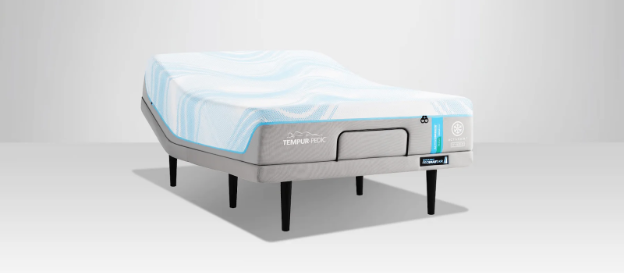
A good night’s sleep isn’t just a luxury—it’s a necessity for your health, mood, and productivity. At the core of restful sleep lies one vital element: the right mattress. And for millions of sleepers around the world, memory foam has become the go-to choice for optimal comfort and support. But not all memory foam mattresses are created equal, and selecting one that suits your unique sleep style is essential to waking up refreshed and pain-free.
Whether you’re a side sleeper seeking pressure relief, a back sleeper needing spinal alignment, or a stomach sleeper looking for firmer support, this guide will walk you through everything you need to know to make an informed, personalized purchase. Let’s explore the features, benefits, and critical considerations of choosing the right memory foam mattress for your sleep style.
What Is a Memory Foam Mattress?
Memory foam, originally developed by NASA, is a viscoelastic material known for its ability to contour to your body’s shape and distribute weight evenly. When you lie down, the foam responds to heat and pressure, creating a “cradling” effect that relieves pressure points and supports the natural curvature of the spine.
Key Advantages of Memory Foam
- Excellent pressure relief for joints
- Reduces motion transfer (great for couples)
- Long-lasting durability
- Adapts to multiple body types and sleeping positions
- Often hypoallergenic and resistant to dust mites
Memory foam mattresses come in various densities, thicknesses, and firmness levels—making it critical to match these attributes to your individual sleeping habits and comfort needs.
Matching Your Sleep Style with the Right Mattress
Everyone sleeps differently, and your mattress should cater to how your body rests. Here’s how to choose the best memory foam mattress based on your preferred sleeping position.
Side Sleepers
Side sleeping is one of the most common sleep positions. However, it can place extra pressure on your hips and shoulders if the mattress is too firm.
- Recommended Firmness: Soft to medium
- Mattress Qualities: Look for a memory foam mattress with multiple comfort layers and pressure-relieving features. A softer surface allows your shoulders and hips to sink just enough to maintain proper spinal alignment.
- Bonus Tip: Consider a mattress with zoned support, which offers targeted firmness for heavier areas of the body.
Back Sleepers
Back sleepers require a mattress that provides even support and promotes healthy spinal alignment. Too soft, and your hips may sink out of line; too firm, and you might miss out on crucial lumbar support.
- Recommended Firmness: Medium-firm
- Mattress Qualities: Look for memory foam options that include a firmer support base with a slightly softer comfort layer on top. This combination helps maintain the natural curve of the spine while offering gentle contouring.
- Bonus Tip: Mattresses with lumbar support zones or high-density foam cores offer additional reinforcement.
Stomach Sleepers
Sleeping on your stomach can strain the neck and lower back if your mattress lacks adequate support. A too-soft mattress may cause your midsection to sag, leading to misalignment and discomfort.
- Recommended Firmness: Firm
- Mattress Qualities: Choose a firmer memory foam mattress that prevents your torso from sinking too deeply. Look for options that provide a balanced feel while supporting the hips and spine evenly.
- Bonus Tip: A thinner pillow or none at all may help maintain better posture if you’re a stomach sleeper.
Conclusion
Choosing the right memory foam mattress for your sleep style isn’t just about comfort—it’s about investing in better health, deeper rest, and a more energized life. Whether you sleep on your back, side, or stomach, understanding your unique needs and matching them with the appropriate mattress features will ensure you get the quality rest you deserve.
With the variety of memory foam options available today—ranging from cooling technology to targeted support—there’s truly something for every type of sleeper. Take the time to evaluate your sleeping habits, compare your options, and don’t hesitate to test out a few soft mattresses before making your final decision.