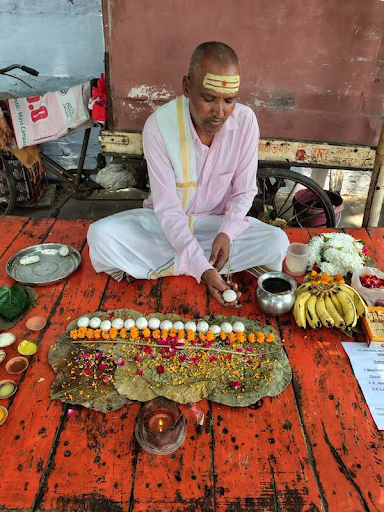
Across generations, families have observed rituals to remember and honour those who came before them. In Hindu tradition, Pind Daan is one such ancestral rite, performed with prayers and offerings for departed family members. It represents remembrance, gratitude, and a family’s spiritual connection with its ancestors. For devotees planning pind daan in varanasi, Kashi holds a special place because of its long association with the Ganga, pilgrimage, and traditional religious observances.
The ceremony can be especially meaningful for families who wish to fulfil ancestral responsibilities while visiting a sacred city. Understanding its purpose, customary arrangements, and the guidance of a knowledgeable priest can help make the experience more organised and respectful.
What Is Pind Daan?
Pind Daan is a Hindu ritual in which symbolic offerings, traditionally prepared as pindas, are made for departed ancestors. The ceremony is generally associated with prayers for the peace and spiritual well-being of those who have passed away. It is performed as part of ancestral rites and may be connected with Shraddha and Tarpan observances.
The procedure and timing can vary according to family tradition, regional practice, and the guidance of the priest. Some families perform it on specific anniversaries or during particular religious periods, while others undertake it during a pilgrimage to a sacred place.
Because customs differ, families should not assume that every ceremony follows exactly the same sequence. Consulting a priest familiar with their tradition helps clarify the appropriate observance.
Why Kashi Is Considered Sacred
Varanasi, also known as Kashi and Banaras, is among the most important pilgrimage destinations in Hindu tradition. The city is closely associated with Lord Shiva and the sacred Ganga. Its temples, ghats, and long history of religious learning attract pilgrims throughout the year.
For many families, performing ancestral rites in Kashi is an expression of devotion and remembrance. The riverfront provides a setting for traditional prayers and offerings, while the city’s priests and religious communities preserve different ritual practices.
Families travelling to Kashi may wish to combine Pind Daan with other forms of worship or pilgrimage. It is useful to plan the schedule carefully so that the ancestral ceremony receives the time and attention it deserves.
Understanding the Ritual and Its Preparations
The exact procedure is determined by the priest and the family’s customary practice. It may include a sankalp, prayers, preparation and offering of pindas, Tarpan, and other prescribed rites. The sankalp establishes the purpose of the ceremony and may include the name and gotra of the departed ancestor.
Families should provide accurate details wherever available. If a gotra or other information is unknown, they should inform the priest rather than guess. The priest can explain how the ritual is handled in such circumstances.
The materials used may include traditional offerings, food items, water, flowers, and other samagri. Families should confirm whether the priest arranges these materials or whether they need to bring anything themselves.
Choosing the Right Time
Some families prefer to perform ancestral rites during Pitru Paksha, a period traditionally associated with remembering and honouring ancestors. Others may choose an anniversary, a particular tithi, or a suitable date during a pilgrimage.
The appropriate timing depends on family tradition and the ritual being planned. A priest can help identify a suitable date and explain any customary requirements. If relatives are travelling from far away, they should confirm the schedule before booking accommodation and transport.
In-Person and Remote Arrangements
Travel may not be possible for every family member. Distance, health, professional responsibilities, and other circumstances can prevent relatives from reaching Varanasi. Some service providers offer arrangements in which a priest performs the ritual at the sacred location on behalf of the family.
For remote arrangements, families should ask how the ceremony is conducted, what details must be supplied, and how they will receive confirmation. Pitradev’s published Varanasi service information describes online Pind Daan performed by experienced purohits at the Ganga ghat using the ancestor’s name and gotra for the sankalp. It also describes photographs and videos as part of the confirmation process.
Families should confirm the exact service details and package inclusions before making a booking.
Why the Priest’s Guidance Is Important
A knowledgeable priest helps explain the ritual, maintain its customary sequence, and guide family members through the offerings and prayers. Language can also make a difference. Families may prefer a Hindi-speaking pandit or a priest familiar with Tamil, Telugu, or another regional tradition.
When selecting a priest, ask about experience with Pind Daan, familiarity with the family’s customs, the location of the ceremony, and what is included in the service. Clear communication is particularly important when relatives are visiting Kashi for the first time.
Understanding Packages and Expenses
The cost of a ceremony may depend on the type of Pind Daan, number of priests, ritual materials, additional offerings, and other arrangements. Pitradev publishes different Varanasi Pind Daan packages, with inclusions varying by package. Families should review the current package details directly before booking.
Ask whether priest charges, samagri, transport, boat arrangements, and any additional offerings are included. An upfront estimate makes it easier to plan without uncertainty on the day of the ritual.
Making the Visit More Comfortable
Varanasi can be busy, particularly during major religious occasions. Families travelling with older relatives should consider accessibility, walking distances, local transport, and the time required to reach the ghat. Keeping essential contact details available and confirming the meeting point in advance can also help.
If the ceremony is part of a larger pilgrimage, allow enough time for the ritual rather than trying to fit it between several other activities. A calm schedule helps family members participate without feeling rushed.
Finding Support for Pind Daan in Kashi
Families exploring pind daan at kashi should look for a service that explains the ritual, provides experienced priests, and communicates costs clearly. Those arranging banaras pind daan should also confirm the location, materials, language, and procedure before travelling.
A reliable pind daan in varanasi arrangement should respect the family’s tradition and provide practical guidance. When comparing pind daan at kashi services, ask for a clear explanation of what the priest will perform and what the family needs to provide.
Conclusion
Pind Daan is a meaningful expression of remembrance and respect for departed ancestors. Its observance in Kashi brings together family tradition, prayer, and the spiritual significance of a revered pilgrimage city. Planning ahead, sharing accurate family details, and consulting a knowledgeable priest can make the ceremony more organised. Pitradev helps families arrange ancestral rites in Varanasi and other sacred destinations, with priest coordination, ritual arrangements, and guidance for visitors and families who cannot travel. With thoughtful preparation, banaras pind daan can be approached with devotion and a clear understanding of the customary process.