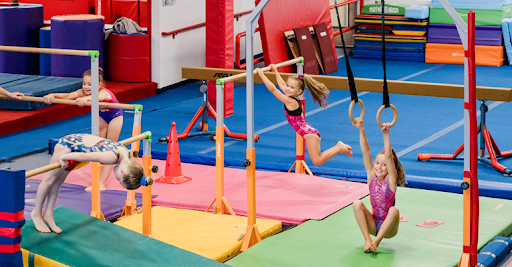
An open training floor is valuable, but empty space does not automatically create a useful facility. A good environment needs clear zones, sensible storage, safe movement routes and resources that match the way coaches actually run sessions. The aim is to make every part of the room support training rather than compete for attention.
Planning begins with flow. Athletes should be able to move between warm-up areas, skill stations and recovery spaces without crossing through active approaches or landing zones. Coaches also need lines of sight that let them supervise more than one group when appropriate. Even a large room can feel cramped if frequently used areas are arranged badly. Marking consistent waiting points and travel routes can make sessions calmer, particularly when several classes share the same facility.
Storage deserves the same attention as the main floor. Loose items placed against a wall may look tidy until they are needed repeatedly during a busy session. Racks, shelves and designated bays can help staff return equipment to predictable locations. This reduces time spent searching and makes it easier to notice when something is missing or damaged. Storage should also reflect frequency of use: everyday gymnastics equipment should be accessible without requiring staff to move several larger items first.
A training facility also benefits from flexible stations. Coaches rarely teach every group at exactly the same level, so the room should allow activities to be scaled. A station may need to become lower, softer, shorter or more restricted depending on the athlete and the goal. Portable elements can help create these changes, but flexibility only works when staff have enough room to move and position them properly. A clear setup plan prevents adaptable resources from turning into clutter.
Condition and maintenance are another part of the facility, not a separate issue. Surfaces, fastenings, padding and high-use areas should be checked regularly according to the organisation’s procedures and the manufacturer’s guidance where relevant. Staff need a simple way to report concerns so a damaged item is not returned to use by mistake. Keeping records can also help managers identify recurring wear patterns and plan replacement or servicing before a problem interrupts training.
Comfort and communication matter as well. Athletes need suitable places for water, personal belongings and short breaks without blocking working areas. Coaches benefit from a space where session plans, emergency information and class lists can be accessed quickly. Noise can be difficult to manage in a large hall, so visual signals and clear group boundaries may reduce the need for repeated shouting across the floor. These practical details shape how organised the session feels.
The choice of gymnastics equipment should follow the programme rather than lead it. A facility that mainly serves beginners may need more resources for basic progressions and controlled landings, while a broader programme may require a wider range of training stations. Buying or placing items without considering class size, age range and coaching methods can leave valuable floor space occupied by resources that are rarely used.
Good facilities also plan for change. Class numbers, coaching priorities and athlete ability can develop over time. Leaving some flexibility in storage, floor zoning and station design makes it easier to respond without rebuilding the room. It also encourages staff to review whether the current layout still works instead of accepting old habits.
Open floor space is only the starting point. A well-run facility combines movement routes, storage, maintenance, communication and adaptable gymnastics equipment into one practical system. When those elements work together, coaches spend less time managing the room and more time managing the training.
Staff routines are what make these ideas dependable. A useful layout can still fail if each coach stores items differently or leaves stations half prepared for the next group. Simple shared standards for setup, pack-down and reporting problems help the facility work as one system. They also make onboarding new staff easier because expectations are visible rather than passed on informally from person to person.