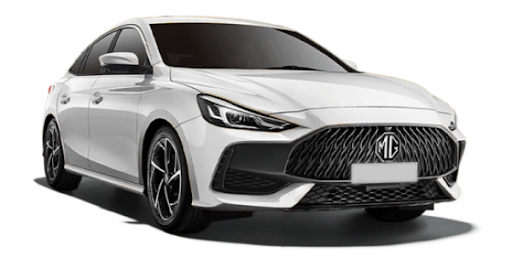
MG’s Indian range spans compact urban EVs, family crossovers, connected petrol SUVs and large premium vehicles. A useful shortlist should begin with where the car will be driven, how often it will carry passengers, whether home charging is available and how much complexity the buyer wants.
City mobility: Comet EV
The Comet EV is designed around narrow roads, tight parking and short daily travel. Its 17.3 kWh battery and certified range of up to 230 km suit predictable commutes. It is less suitable as the only family car for frequent highway use because of its compact body and limited luggage flexibility.
Family EV comfort: Windsor EV
The Windsor EV focuses on cabin space, rear-seat comfort and crossover practicality. It can suit households with home charging and regular city-to-suburb travel. Buyers should compare outright purchase and battery-service pricing carefully because the cost structure changes the ownership calculation.
Conventional compact SUV: Astor
The Astor is aimed at buyers who want a petrol SUV with connected features and driver-assistance technology. It offers a more familiar refuelling routine than an EV. Its real-world fuel economy should be tested against the buyer’s traffic pattern, especially with the automatic gearbox.
Larger family SUV: Hector
The Hector provides a spacious cabin, large touchscreen interface and a broad safety suite. It fits buyers who value room and features over compact dimensions. The Hector Plus adds additional seating layouts for families needing a third row.
Premium and long-range choices
The ZS EV offers a conventional SUV shape with electric performance and a larger battery than the Comet. The Gloster and Majestor target buyers seeking seven-seat space, diesel performance and a more premium road presence. Their size and running costs make most sense for frequent touring rather than crowded city use.
Build the shortlist around ownership reality
The strongest MG option depends on charging access and space needs. Comet and Windsor suit different EV users, Astor and Hector cover petrol-SUV requirements, and ZS EV offers a more traditional electric-SUV package. Larger models deserve consideration only when their passenger capacity and highway ability will be used regularly.
| Buyer need | MG models to examine |
| Tight urban commute | Comet EV |
| Spacious electric family car | Windsor EV |
| Compact petrol SUV | Astor |
| Large connected family SUV | Hector or Hector Plus |
| Conventional electric SUV | ZS EV |
| Premium seven-seat touring | Gloster or Majestor |
- Map public chargers on regular intercity routes.
- Check service coverage near home and workplace.
- Compare insurance and tyre costs for larger models.
- Test rear-seat comfort with the family present.
Checks before selecting an MG model
Before finalising this topic, verify the latest manufacturer brochure, the exact variant specification and the local dealer quotation. A short test drive should reproduce the buyer’s normal roads rather than a smooth demonstration loop. This helps reveal visibility, ride quality, control effort and cabin comfort that cannot be understood from a specification sheet alone.
Ownership quality also depends on factors outside the headline figure. Insurance coverage, tyre replacement, scheduled service, warranty exclusions and resale expectations can change the overall value. Recording these items beside the purchase price creates a more complete comparison and reduces the chance of choosing which mg options are worth considering for your next car? on one attractive number alone.
Compare MG ownership formats carefully
MG’s EV pricing can include battery-rental structures, while conventional models use a familiar outright purchase. Buyers should compare both on a common time horizon. Add the initial amount, usage-linked battery charges, finance cost, insurance and expected electricity or fuel expense.
Connected-car subscriptions and warranty packages should also be checked after the introductory period. A feature may be included for the first years and later require renewal. Knowing the recurring cost prevents a premium digital experience from becoming an unexpected ownership expense.
For larger MG cars, tyre and insurance costs can be substantial. Obtain sample renewal quotes and current tyre prices before selecting wheel size. A top variant with larger wheels may look better but can cost more to replace and may deliver a firmer ride on broken roads.
Take a whole-family test drive
The final decision should be documented in one page: the chosen configuration, the strongest reason for buying it, the main compromise and the expected annual cost. Writing these points down helps separate a durable need from showroom excitement. It also makes later comparisons more consistent because every alternative is judged against the same household priorities rather than a changing list of impressions.
The person sitting in the rear seat may judge the car differently from the driver. Bring regular passengers to check seat height, window area, ride comfort and access. A spacious showroom impression can change once child seats and luggage are added.
For EVs, include the person responsible for parking and charging in the decision. Cable handling, charger location and app use are daily tasks. The most suitable MG model is the one the whole household can operate without dependence on one expert user.
MG ownership perspective
A written shortlist should include one reason to reject each model. This discipline prevents feature abundance from overwhelming practical concerns such as parking size, rear-seat access, charging convenience or highway comfort.