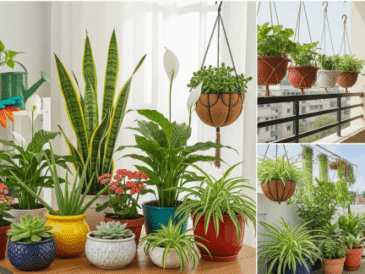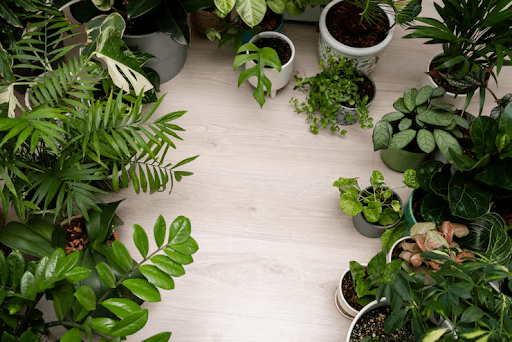
Something has shifted in the way Indian households think about their living spaces. Where a single potted plant on a balcony was once considered sufficient, entire rooms are now being designed around greenery. Social media has played a role, but the deeper driver is simpler: people have discovered that living with plants genuinely improves how a home feels — quieter, cleaner, more alive. And as sourcing has become easier, the barrier to getting started has dropped considerably.
The rise of live plants online has been central to this shift. What once required a dedicated trip to a nursery — navigating traffic, hunting for parking, hoping the right variety was in stock — can now be done in a few minutes. And the range available online is dramatically wider than what any single physical store can carry.
What the Research Actually Says About Plants Indoors
Beyond aesthetics, there’s a growing body of evidence supporting the practical benefits of indoor greenery.
NASA’s Clean Air Study, conducted in the late 1980s and still frequently cited, identified a range of common houseplants capable of filtering indoor air pollutants including benzene, formaldehyde, and trichloroethylene. More recent research has focused on the psychological benefits — studies consistently show that the presence of plants reduces cortisol levels, lowers blood pressure, and improves concentration and mood. For people who work from home, this has translated into a practical argument for keeping plants in their workspace.
There’s also the humidity factor. Indoor air in air-conditioned homes and offices tends to be dry, which contributes to dry skin, irritated sinuses, and general discomfort. Many houseplants release moisture through transpiration, effectively acting as natural humidifiers — a benefit that becomes particularly noticeable in sealed, climate-controlled environments.
Choosing Well for Your Space
The most common mistake new plant owners make is choosing based on appearance alone. A plant that looks beautiful in a photograph may be completely wrong for the light conditions, humidity, or maintenance capacity of your home. A few questions worth asking before buying:
What direction does your space face? North-facing rooms receive the least direct light and suit shade-tolerant varieties like pothos, ZZ plants, and peace lilies. South and west-facing rooms get stronger, longer light and can support flowering plants, herbs, and even small fruit trees on a balcony.
What’s your watering habit like? Succulents and snake plants are genuinely forgiving of irregular watering. Ferns and calatheas are not. Match the plant to your realistic schedule, not your ideal one.
Do you have children or pets? Several popular houseplants — including pothos, philodendrons, and lilies — are toxic if ingested. If this is a concern, spider plants, areca palms, and Boston ferns are safe and widely available alternatives.
The Best Low-Maintenance Options for Beginners
For anyone just starting out, these varieties consistently deliver without demanding too much:
Pothos — Fast-growing, trails or climbs, handles low light, and communicates water needs clearly by drooping slightly when thirsty. Nearly impossible to kill.
Snake Plant — Architectural, elegant, and genuinely drought-tolerant. Works in almost any room and handles air conditioning without complaint.
Peace Lily — One of the few flowering plants that thrives in low light. Produces white blooms periodically and droops visibly when it needs water, removing the guesswork.
Areca Palm — Brings a tropical, airy quality to a space. Works well in bright indirect light and acts as a natural humidifier in dry indoor environments.
Monstera deliciosa — The statement plant that’s become iconic for good reason. Grows quickly in bright indirect light, produces its characteristic split leaves as it matures, and is surprisingly easy to care for.
How Online Plant Shopping Has Changed the Experience
The quality of online plants available in India has improved significantly over the past few years. Early concerns about plants arriving damaged or misrepresented have become less common as dedicated plant platforms have invested in better packaging, more accurate listings, and reliable delivery infrastructure.
What sets a good platform apart is attention to the details that matter for living products — how the plant is secured during transit, what kind of soil it’s shipped in, whether the variety description is accurate, and what happens if something arrives in poor condition. These factors separate a platform that understands plants from one that simply lists them.
Same-day and next-day delivery options in major cities have also removed the last real friction point from online plant shopping. You can decide in the morning that you want a new plant and have it on your doorstep by evening — a level of convenience that didn’t exist even three or four years ago.
Getting the Most Out of Your First Purchase
A few practical steps make the difference between a plant that thrives and one that struggles from day one. Decide where the plant will go before it arrives. Prepare a suitable pot if you’re planning to repot, but wait at least a week before doing so. Place the plant in its intended spot and resist moving it for the first two weeks while it adjusts to the new environment.
Expect some initial leaf drop or mild wilting — this is normal stress from transit and not a sign that something has gone wrong. Most plants stabilise and begin growing actively within two to three weeks of arriving in a well-suited spot.
Conclusion
Building a greener home has never been more accessible. The combination of a wider variety of plants available online, reliable delivery to most Indian cities, and a growing community of plant owners sharing knowledge and advice has made the whole process genuinely approachable. Whether you’re starting with a single snake plant on a desk or planning a full balcony garden, the best time to begin is simply whenever you’re ready.