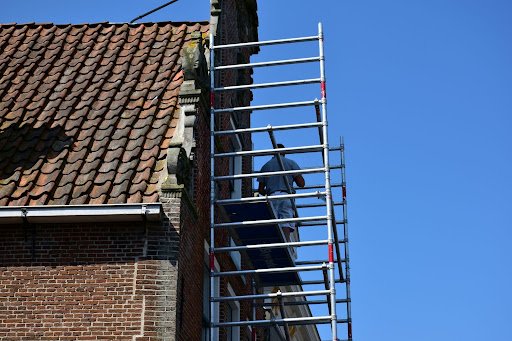
North Carolina’s climate covers a lot of ground within a single state, from humid summers and hurricane-season storms along the coast to colder winters and occasional ice in the Piedmont and mountain regions. That range means residential roofing needs vary more across the state than homeowners might expect, and a roofing approach that works well in one region isn’t necessarily the best fit in another. Understanding the basics of how residential roofing companies operate, what materials tend to perform well locally, and what a proper inspection should cover helps homeowners make better decisions whether they’re dealing with a small repair or planning a full replacement, and it makes conversations with contractors far more productive from the start.
Common Roofing Materials Used in North Carolina
Asphalt shingles remain the most widely used roofing material across North Carolina, largely because of their balance of cost, durability, and relatively straightforward installation. Metal roofing has also grown in popularity, particularly for homeowners looking for a longer lifespan and better performance in high-wind conditions, while tile and slate remain more common in higher-end or historic properties.
Choosing between these options usually comes down to budget, home style, and how long a homeowner plans to stay in the property, which is exactly the kind of guidance a residential roofing company north carolina should be able to walk through clearly during an initial consultation.
What a Thorough Roof Inspection Covers
- Shingle or material condition, including curling, cracking, or granule loss.
- Flashing integrity around chimneys, vents, and skylights.
- Attic ventilation and signs of trapped moisture.
- Gutter condition and drainage away from the foundation.
Regional Weather Considerations
Coastal areas of North Carolina deal with higher wind exposure and occasional hurricane risk, which makes wind-rated shingles and proper fastening especially important. Inland and Piedmont regions see more temperature swings and occasional ice, which puts different stress on roofing materials, particularly around expansion and contraction over repeated freeze-thaw cycles.
Humidity is a statewide factor that affects nearly every home, contributing to algae growth on shingles and, over time, potential moisture issues in poorly ventilated attics. Roofing materials with algae-resistant granules have become more common for exactly this reason, since they help maintain both appearance and material integrity in humid conditions.
Planning a Roof Replacement Timeline
Most full roof replacements on an average single-family home take between one and three days, depending on roof size, complexity, and weather during installation. Scheduling around North Carolina’s storm season, generally spring through early fall, can help avoid weather delays, though reputable companies build some flexibility into their scheduling to account for this.
Warranty Considerations Worth Understanding
Material warranties and workmanship warranties are two different things, and it’s worth understanding the distinction before signing a contract. A manufacturer’s material warranty covers defects in the shingles or membrane itself, while a workmanship warranty covers the quality of the installation. Companies with manufacturer certifications can often offer stronger versions of both, which is worth factoring into any comparison between quotes.
Working With Insurance Claims
Storm-related roof damage often involves an insurance claim, and the process tends to go more smoothly when a roofing company is familiar with how adjusters evaluate damage. A company that can document damage clearly with photos and a detailed report gives homeowners a stronger starting point when working through a claim, rather than leaving them to navigate the process alone. Some companies will even meet an adjuster on-site to walk through the damage together, which can help avoid disagreements about scope later in the claims process.
Preparing for a Roofing Project
Clearing driveway and yard access for equipment, moving vehicles, and letting neighbors know ahead of time about noise or temporary parking changes all help a project go more smoothly. A good roofing company will usually walk homeowners through this kind of preparation ahead of the start date, rather than leaving it as an afterthought on the morning work begins.
Final Thoughts
Residential roofing in North Carolina benefits from region-specific knowledge, since the right materials and installation approach can vary meaningfully from the coast to the Piedmont. Homeowners who ask specific questions about regional performance and warranty coverage tend to end up with roofs that hold up better over the long run.