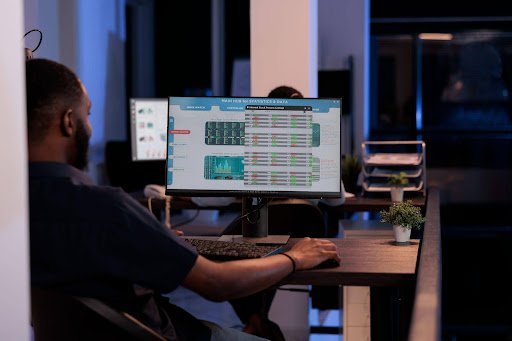
Forex trading today depends heavily on speed, precision, and reliable technology infrastructure that can handle rapid market movements. In this environment, FX platform providers play a central role in building execution systems that allow traders to interact with global markets efficiently. These systems are no longer just technical tools; they have become essential frameworks that influence how trades are placed, processed, and completed across volatile financial conditions.
Market execution systems now determine the quality of trading more than ever before. From order speed to price accuracy, every element contributes to how effectively traders can operate in global forex markets. As competition increases, execution quality has become a defining factor in trading success.
Evolution of Execution Systems in Forex Markets
The forex market has undergone a major transformation from manual trade processing to fully automated execution systems. In earlier stages, traders often faced delays, requotes, and inconsistent pricing due to limited technological capabilities. These inefficiencies made trading less predictable and more dependent on broker-side processing speed.
With technological advancement, FX platform providers introduced automated execution systems that significantly reduced latency and improved pricing consistency. These systems now rely on real-time data streams that ensure orders are processed almost instantly.
Modern execution environments also eliminate many traditional barriers by connecting traders directly to liquidity networks. This shift has improved transparency and reduced the gap between order placement and execution completion.
Role of Technology in Execution Performance
Technology is the core engine behind modern forex execution systems. It influences how quickly orders are processed, how accurately trades are executed, and how efficiently liquidity is accessed.
The best forex broker online in the UAE typically integrates advanced technological frameworks that support low-latency execution and stable market connectivity. These systems ensure that traders receive consistent performance regardless of market conditions.
High-performance servers, cloud-based infrastructure, and smart routing systems all contribute to reducing execution delays. This allows traders to react to market changes in real time without experiencing system lag or price mismatches.
Key Components of Modern Execution Systems
Modern execution systems are built on multiple interconnected components that work together to ensure smooth trading performance. These components define how effectively trades are processed in real time.
-
Low Latency Processing
Low latency is one of the most critical aspects of execution systems. It ensures that trades are executed within milliseconds, reducing the chances of slippage and improving price accuracy during fast-moving markets.
-
Automated Order Matching
Automated matching engines instantly connect buy and sell orders without manual intervention. This improves transaction speed and ensures that trades are executed at optimal available prices.
-
Smart Liquidity Integration
Modern systems aggregate liquidity from multiple providers. This ensures better pricing, deeper market access, and improved execution stability across different trading instruments.
-
Real-Time Price Synchronization
Continuous price updates ensure traders always work with the latest market information. This helps in making faster and more informed trading decisions.
-
Risk-Control Execution Layer
Built-in risk systems monitor trade exposure and help prevent excessive losses during volatile market conditions. These systems ensure safer and more controlled trading execution.
Importance of Liquidity in Trade Execution
Liquidity plays a crucial role in determining how efficiently trades are executed in forex markets. Without sufficient liquidity, traders may experience delays, slippage, or unfavorable pricing conditions.
Modern execution systems solve this challenge by aggregating liquidity from multiple global sources. This creates a deeper market environment where orders can be filled faster and at more competitive prices.
High liquidity also improves market stability, especially during major economic events or periods of high volatility. It allows traders to enter and exit positions without significant price disruption.
Execution Transparency and Market Trust
Transparency is a key factor in building trust between traders and trading platforms. Clear execution reporting allows traders to understand exactly how their orders are processed.
Modern systems provide detailed execution data, including order fill price, timing, and slippage information. This level of transparency helps traders evaluate platform performance more effectively.
Why Transparency Matters in Trading
- Builds long-term trust between traders and platforms
- Helps evaluate execution quality in real time
- Reduces uncertainty in order processing
- Improves decision-making confidence
- Encourages fair and consistent trading behavior
Transparency also ensures that traders are aware of market conditions affecting execution, which leads to more realistic expectations and better strategy planning.
Infrastructure Behind Modern Trading Systems
Execution systems depend heavily on underlying infrastructure. Without strong infrastructure, even advanced technology cannot deliver consistent performance.
Modern platforms use cloud computing, distributed servers, and optimized network routing to ensure stable execution. These systems reduce downtime and improve connectivity across global markets.
The best forex broker online in the UAE often invests significantly in infrastructure upgrades to maintain competitive execution standards and ensure uninterrupted trading services for clients.
Market Adaptability and Execution Intelligence
Modern execution systems are becoming more intelligent and adaptive. Instead of following fixed processing patterns, they now respond dynamically to changing market conditions.
These systems analyze liquidity flow, volatility levels, and order volume before determining the best execution path. This improves trade accuracy and reduces unnecessary delays.
Execution intelligence also allows systems to prioritize faster routes during high-volume periods, ensuring consistent performance even when market activity spikes.
Over time, this adaptability has significantly improved trader experience by making execution more predictable and efficient.
Conclusion
Market execution systems have become the foundation of modern forex trading, shaping how efficiently traders interact with global financial markets. With advancements in technology, liquidity integration, and automation, execution quality has improved significantly, allowing traders to operate with greater precision and confidence.
Within this evolving trading environment, VPFX continues to support traders with advanced infrastructure aligned with the standards of the best forex broker online in the UAE, ensuring reliable execution, stronger market access, and improved trading efficiency for global investors.
For more information, visit: https://leadersmagazine.org/