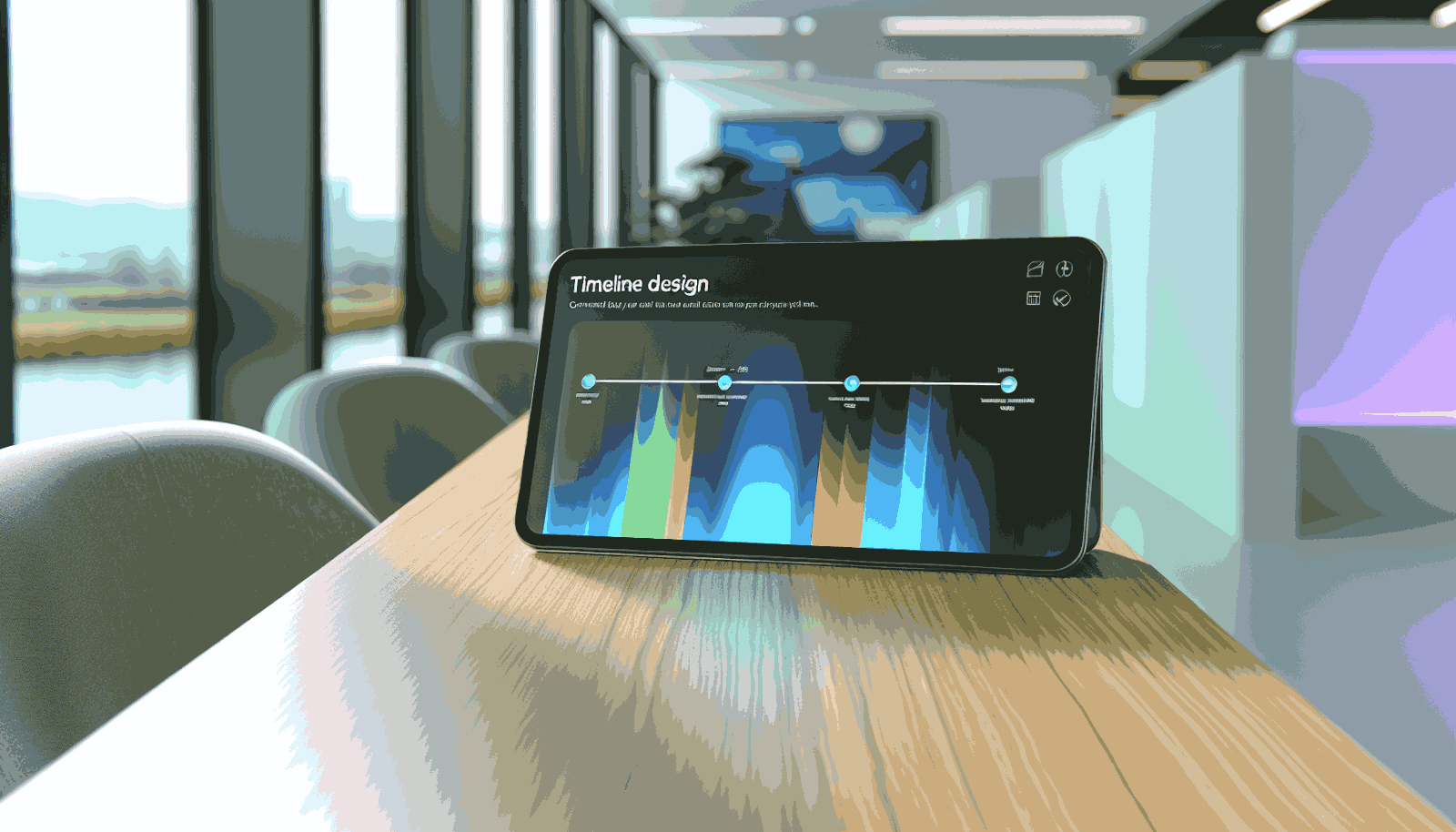
In the rapidly evolving world of timeline design and build, staying updated with the latest trends is crucial. As we step into 2026, designers and builders are exploring new technologies and methodologies to enhance the way timelines are created and utilized. This article delves into the top 15 predictions that are set to redefine the industry.
1. Integration of AI and Machine Learning
Artificial Intelligence (AI) and machine learning continue to transform various industries, and timeline design is no exception. These technologies help automate processes, predict trends, and provide personalized timeline experiences.
2. Enhanced Interactivity
Interactive timelines are becoming increasingly popular. Users can engage with content in dynamic ways, such as clicking on elements to reveal more information or using sliders to navigate through time.
3. Virtual and Augmented Reality
The use of virtual reality (VR) and augmented reality (AR) in timeline design build projects is expected to grow. These technologies provide immersive experiences, allowing users to explore timelines in a 3D space.
4. Data-Driven Customization
Customization based on data analytics enables more personalized timeline experiences. By analyzing user interactions, designers can tailor timelines to meet specific audience needs.
5. Sustainability and Eco-Friendly Designs
Sustainability is a growing concern in all fields, including design. Eco-friendly materials and processes are being prioritized in the timeline design build process to reduce environmental impact.
6. Minimalist Aesthetics
Minimalism continues to be a strong trend. Clean, simple designs make timelines more accessible and easier to understand, focusing on essential information without unnecessary clutter.
7. Mobile Optimization
With the increasing use of mobile devices, optimizing timelines for smaller screens is crucial. Responsive design ensures that timelines are easily navigable on smartphones and tablets.
8. Real-Time Collaboration Tools
Collaboration tools that allow multiple users to work on a timeline simultaneously are gaining traction. These tools facilitate teamwork and improve efficiency in timeline design projects.
9. Blockchain for Data Security
Blockchain technology is being explored for securing data within timelines. This ensures that timeline data is tamper-proof and reliable, adding a layer of trust and security.
10. Use of Micro-Animations
Micro-animations enhance user engagement by providing subtle visual cues. These small animations guide users through the timeline, making navigation intuitive and enjoyable.
11. Voice-Activated Interfaces
Voice technology is becoming more prevalent, allowing users to interact with timelines through voice commands. This hands-free approach is particularly beneficial for accessibility.
12. Cross-Platform Integration
Ensuring that timelines can be seamlessly integrated across various platforms and devices is essential. This cross-platform compatibility enhances user experience and accessibility.
13. Emphasis on Storytelling
Storytelling remains a powerful tool in timeline design. Crafting narratives that engage users emotionally can make timelines more compelling and memorable.
14. Advanced Data Visualization
Data visualization techniques are becoming more sophisticated. Designers are using innovative methods to present complex data in visually appealing and easily digestible formats.
15. Focus on User Experience
Ultimately, the focus remains on enhancing user experience. Designers are continually seeking ways to make timelines more intuitive, engaging, and user-friendly.
Conclusion
The landscape of timeline design and build is rapidly changing, driven by technological advancements and evolving user expectations. By embracing these predictions, designers and builders can create innovative and effective timelines that resonate with users. Staying informed and adaptable is key to success in this dynamic field.