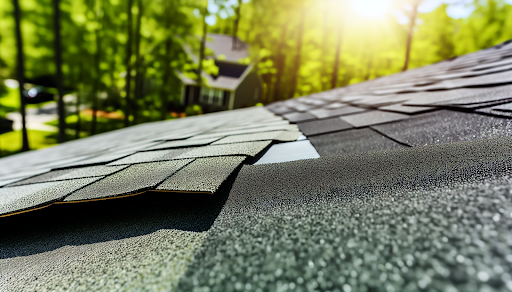
Replacing your roof is a significant investment that requires careful planning and consideration. Homeowners in North Carolina face unique challenges due to the state’s diverse climate, which can affect roofing materials and installation processes. To ensure a successful residential roofing replacement in North Carolina, it’s crucial to prioritize certain factors. Here are seven strategic things to focus on for an effective roof replacement in the Tar Heel State.
1. Choose the Right Roofing Material
Selecting the appropriate roofing material is one of the most critical decisions in the roof replacement process. North Carolina’s climate varies from coastal humidity to mountain cold, so you need a material that can withstand these conditions. Options include asphalt shingles, metal roofing, and tile, each with its own advantages and durability levels. Consider factors such as longevity, maintenance, and cost when deciding on the material for your residential roof installation in North Carolina.
2. Understand Local Building Codes
Before beginning any roofing project, familiarize yourself with local building codes and regulations. These codes ensure safety and compliance with state standards. In North Carolina, building codes can vary by county, so it’s essential to consult with a local roofing specialist who understands the specific requirements for your area. This will help avoid any legal issues and ensure that your roof replacement is up to code.
3. Hire a Qualified Roofing Contractor
The success of your roof replacement largely depends on the expertise of the contractor you hire. Look for a contractor with a proven track record in residential roofing replacement in North Carolina. Verify their credentials, check references, and read reviews to ensure they have the necessary experience and skills. A qualified contractor will not only execute the installation efficiently but also provide valuable advice on materials and maintenance.
4. Focus on Proper Ventilation
Proper ventilation is crucial for the longevity and efficiency of your new roof. Without adequate ventilation, heat and moisture can build up in the attic, leading to issues such as mold growth and increased energy costs. Ensure that your roofing contractor includes ventilation solutions in the installation plan. This may involve installing ridge vents, soffit vents, or attic fans to promote airflow and maintain a balanced environment.
5. Plan for Weather Conditions
North Carolina’s weather can be unpredictable, with sudden storms and temperature fluctuations. It’s important to plan your roof replacement around the weather to avoid delays and potential damage. Schedule the installation during a period of stable weather, ideally in spring or fall, when conditions are more favorable. This will help ensure a smooth process and reduce the risk of weather-related setbacks.
6. Budget for Unexpected Costs
While it’s important to have a clear budget for your roof replacement, it’s equally crucial to set aside funds for unexpected expenses. Issues such as hidden water damage or structural repairs can arise once the old roof is removed. By preparing for these contingencies, you can avoid financial strain and ensure the project stays on track. Discuss potential additional costs with your contractor before starting the project.
7. Consider Energy Efficiency
An energy-efficient roof can significantly reduce your home’s energy consumption and lower utility bills. When planning your residential roof installation in North Carolina, consider materials and designs that enhance energy efficiency. Options like cool roofs, which reflect more sunlight and absorb less heat, can be particularly beneficial in the state’s warm climate. Additionally, proper insulation and ventilation play a role in maintaining energy efficiency.
Conclusion
In summary, a successful roof replacement in North Carolina involves careful planning and consideration of several key factors. By choosing the right materials, understanding local building codes, hiring a qualified contractor, ensuring proper ventilation, planning for weather conditions, budgeting for unexpected costs, and considering energy efficiency, homeowners can achieve a durable and efficient roofing solution. These strategies not only protect your investment but also enhance the comfort and value of your home.