Mobility inside residential and commercial spaces has shifted from basic functionality to thoughtful integration of comfort, design, and accessibility. Property owners increasingly look for solutions that blend with interiors while addressing practical movement needs across floors. This has led to a rising demand for systems that deliver both visual appeal and operational reliability.
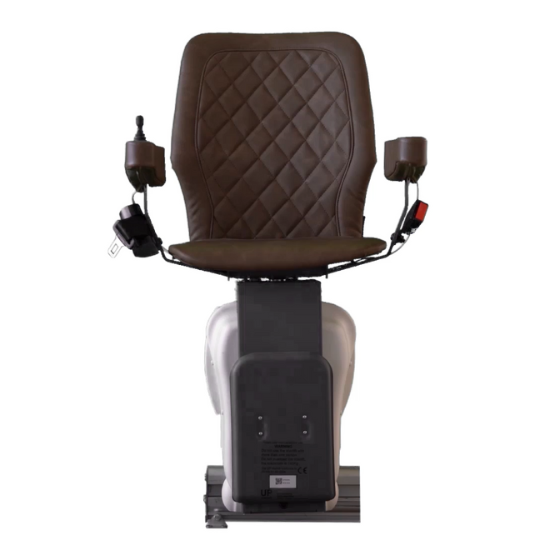
Within this evolving landscape, the concept of a designer chairlift for stairs has gained attention for its ability to support mobility without altering structural layouts. These solutions cater to individuals seeking independence while maintaining the architectural character of their space, making them suitable for both private homes and compact commercial settings.
Understanding Modern Mobility Requirements
Changing demographics and lifestyle expectations have influenced how vertical transportation is designed and installed. Homeowners are not only focused on convenience but also on seamless integration with interiors, ensuring that installations do not appear mechanical or intrusive within living spaces.
Architectural planning now includes provisions for compact lifts, stair mobility systems, and accessibility-focused equipment. These additions are no longer afterthoughts but essential considerations, particularly in multi-level homes where ease of movement directly impacts daily living comfort and safety.
The Role of Chairlifts in Residential Spaces
Chairlifts offer a structured approach to navigating staircases without requiring extensive renovations. Designed to fit along existing stair rails, these systems provide a practical alternative to elevators where space limitations exist or where minimal intervention is preferred.
Beyond functionality, these installations are engineered to complement interior aesthetics. Upholstery options, rail designs, and smooth operation mechanisms ensure that the system aligns with the overall design language of the home while maintaining consistent performance standards.
Space Optimization
Efficient use of available space remains a priority in residential projects. Chairlifts are developed to occupy minimal room, allowing staircases to remain accessible for other users while supporting individuals with mobility challenges.
Safety Integration
Built-in safety mechanisms such as seat belts, obstruction sensors, and controlled movement systems ensure dependable operation. These features reduce risk while maintaining ease of use for individuals across different age groups.
Elevators as a Design Element
Vertical transport systems are no longer confined to functionality alone. The introduction of designer elevators has transformed how elevators are perceived within residential and commercial environments, positioning them as architectural highlights rather than concealed utilities.
Customization plays a central role in these installations, with options ranging from glass panels to compact shaft designs. These elevators are engineered to operate efficiently while enhancing the visual narrative of the property, ensuring alignment with modern construction trends.
Customization Options
Design flexibility allows property owners to select finishes, cabin styles, and configurations that align with their interiors. This approach ensures that the elevator becomes an integrated component of the overall design.
Performance and Efficiency
Advanced drive systems and energy-efficient mechanisms contribute to smooth operation. These systems are developed to handle varying load requirements while maintaining consistent speed and reliability.
Final Thoughts
Is seamless mobility within a thoughtfully designed space still a challenge worth solving? With ICARE Lifts positioned at the center of modern accessibility solutions, property owners gain access to precision-engineered systems that combine design, safety, and performance. As one of the recognized lift companies in India, the brand delivers tailored installations across chairlifts, home lifts, and mobility products, ensuring that every solution aligns with both functional requirements and architectural intent.