The evolution of salon design and infrastructure has accelerated significantly over the last decade. Today, salon and parlour environments are shaped by efficiency, durability, hygiene, space planning, and elevated client experience. Professional owners and investors are placing greater emphasis on equipment that not only improves workflow but enhances treatment comfort and service quality.
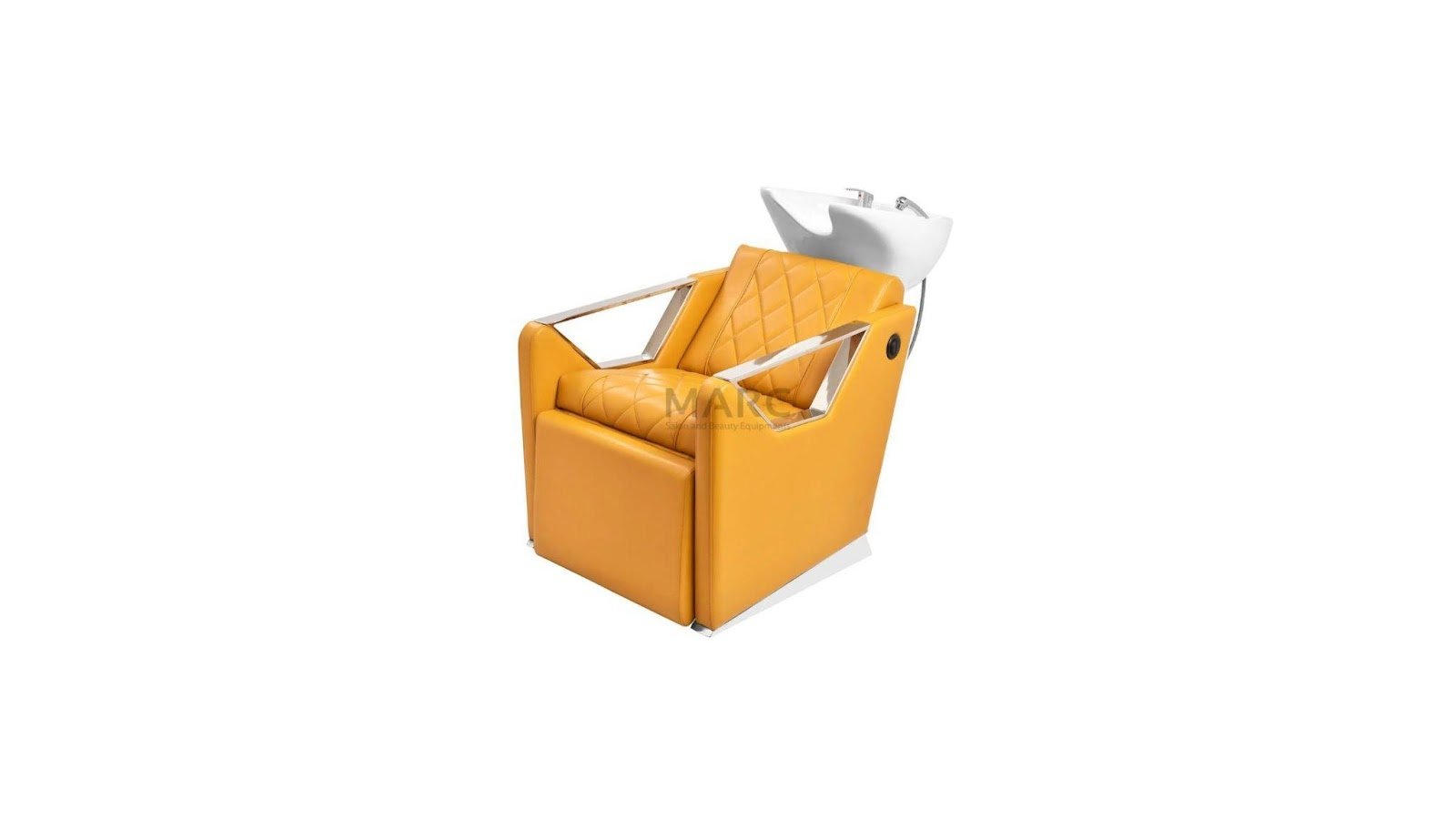
Among the most critical components of modern salon infrastructure is the shampoo station for parlour, a multifunctional fixture that supports hair washing, scalp treatments, conditioning services, and pre-styling rituals. As salons continue to expand their service portfolios, the demand for advanced wash units has increased, leading to a major shift in expectations around technology integration, ergonomics, and build quality.
Why Shampoo Stations Play a Strategic Role in Business Growth
Professional salons and parlours rely on shampoo stations far beyond simple hair wash support. These units influence service efficiency, floor planning, employee ergonomics, and customer satisfaction. Unlike standard furniture, a shampoo station is a core operational element that must support continuous use, water supply management, drainage efficiency, and body-support comfort.
Modern shampoo stations now feature:
- Reclined seating designed to support neck posture
- Basin tilt systems to reduce muscle strain
- Internal plumbing channels
- Upholstered surfaces designed for frequent cleaning
- Extended leg support options
These functional enhancements help reduce employee fatigue, increase client comfort, and enable faster service rotation across appointments. For salons operating high-volume schedules or premium treatment menus, an advanced shampoo station is not a luxury, it is a necessity.
Comfort and Ergonomics: The Driving Force
The ergonomic value of a hair wash unit is one of the most important investment considerations. Posture support, seat structure, spine angle, and neck cushioning directly impact the comfort of clients and stylists. Overly rigid or poorly angled wash chairs lead to discomfort, and discomfort leads to lower customer satisfaction.
Ergonomically engineered shampoo stations allow clients to relax while providing stylists with stress-free access for washing, steaming, detangling, oiling, and treatment application. As scalp and hydration therapies become more popular, salons benefit from wash units that support longer service durations without discomfort.
In addition, ergonomically engineered furniture reduces the risk of long-term physical strain for staff, which not only improves morale but reduces employee turnover and medical fatigue.
Material Quality and Durability
B2B decision-makers also evaluate furniture durability from a maintenance and cost-efficiency standpoint. A professional shampoo station must withstand:
- Continuous water exposure
- Chemical treatments
- Heat and steam
- Weight strain
- Upholstery wear
- Product spills
This is why furniture selection must prioritise premium materials, precision construction, and functional design. Long-term durability protects the business from frequent replacement costs. Premium wash units also prevent downtime caused by plumbing leaks, upholstery damage, or component malfunction.
Design and Brand Positioning
In the beauty and wellness industry, interior aesthetics strongly influence brand perception. Colour palette, texture, finish, sculptural design, and layout all contribute to customer impression and retention.
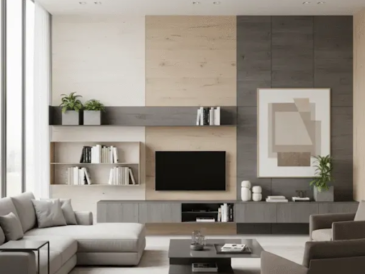
Professional buyers increasingly look for furniture that complements broader interior themes. The category of parlour design furniture includes wash units, styling chairs, waiting lounges, and workstations—all meant to form a cohesive visual identity.
A well-designed wash station enhances workflow efficiency and improves space organisation. Modern salons now integrate wash units strategically within floor plans to support discreet water flow management, movement corridors, and equipment zoning.
Technology Integration
The future of salon wash stations lies in integrated technology. Many modern shampoo stations offer advanced features such as:
- Adjustable basin tilt
- Water-saving nozzles
- Spray pressure control
- Recline mechanisms
- Footrest support
- Massage functions
- Touch-safe plumbing systems
These features address customer comfort and business sustainability goals. Water-efficient systems are particularly valuable, reducing operational costs while supporting eco-conscious brand positioning.
Technology-enabled fixtures also increase the range of services available at a single station, including:
- Detox shampoos
- Scalp steaming
- Hair hydration therapy
- Smoothing treatments
- Rebonding prewash
- Hair spa
The ability to support multiple service categories within one unit reduces equipment dependency and floor congestion.
Space-Smart Furniture Planning
Commercial salons and parlours must optimize every square foot of their floor plan. Wash station placement plays a critical role in traffic flow, energy distribution, and operational zoning.
Choices between single, double, or triple-unit shampoo stations depend on:
- Service frequency
- Staff availability
- Room shape
- Customer volume
- Plumbing network
- Floor division strategy
Compact wash stations minimize obstruction and offer flexible positioning in smaller layouts. Larger units support higher capacity and faster rotation.
A well-planned shampoo area helps salons maximise revenue potential without expanding real estate footprint.
Trend: Multi-Service Shampoo Systems
As industry demand evolves, salons are shifting to versatile wash stations that function not only for cleaning but for treatment delivery and customer relaxation.
This trend is driven by the rise of scalp health awareness and head spa therapies. Clients increasingly request services that promote:
- Relaxation
- Hydration
- Hair strengthening
- Deep cleansing
- Follicle nourishment
Modern equipment ensures that hair wash routines feel premium, not perfunctory.
Industry Demand and Local Sourcing
Business owners seeking a professional salon hair wash station in gurgaon or any other region often prioritise vendor reliability, post-purchase support, product warranty, and spare-part availability.
Locally available solutions help reduce shipping time, streamline installation, and simplify long-term servicing. Vendors offering customisable units also support better fitment across business concepts.
Conclusion
High-quality shampoo stations significantly influence customer perception, employee comfort, workflow efficiency, and long-term business value. They are central to treatment delivery and overall salon operations, making material selection extremely important. For salons and parlours wishing to elevate service quality, interior experience, and operational efficiency, investment in well-designed, durable shampoo stations is a strategic long-term advantage.
For professional shampoo station solutions with durable construction and customisation options, explore premium furniture offerings from MARC Salon Furniture, designed to support long-term commercial performance and elevated client comfort.