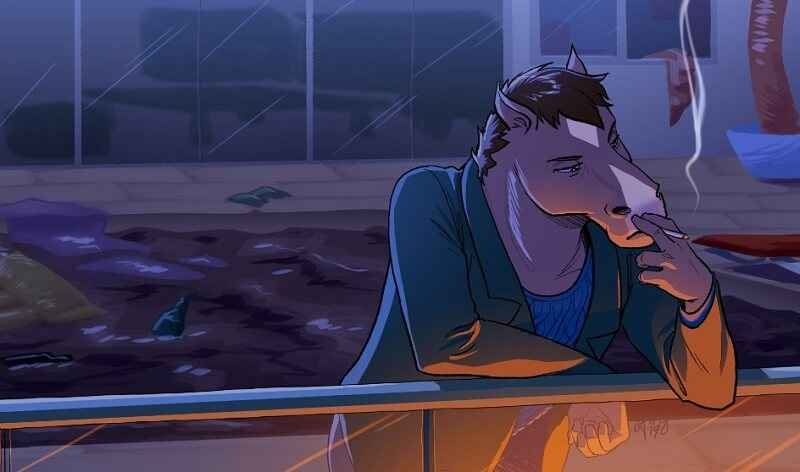
BoJack Horseman, created by Raphael Bob-Waksal, is an animated series that delves deep into the complexities of fame, mental health, and personal identity. Set in a world where anthropomorphic animals coexist with humans, the show follows the life of BoJack Horseman, a washed-up sitcom star grappling with his past and present. The series stands out for its unflinching examination of the entertainment industry, revealing the often harsh realities behind the glitz and glamour. Through poignant storytelling and impactful quotes, BoJack Horseman provides profound insights into the nature of fame and its consequences.
The Main Message of BoJack Horseman
At its core, BoJack Horseman critiques Hollywood and celebrity culture, exposing the emptiness that often accompanies fame. The series presents a stark reality where success does not guarantee happiness. The titular character embodies the struggles many face in the entertainment industry, showcasing how fame can amplify personal demons rather than diminish them.
One of the central messages of the series is that fame can be a double-edged sword. While it offers temporary validation and pleasure, it can also lead to loneliness, depression, and a perpetual search for fulfillment. As BoJack himself states, “You’re always in the audience. You’re never on the stage.” This quote encapsulates the feeling of being trapped in a persona that is not truly representative of oneself.
The Deeper Meaning of BoJack Horseman
BoJack Horseman explores various themes that resonate with audiences on multiple levels.
Examination of Mental Health Issues
The series candidly portrays mental health struggles, particularly depression and addiction. BoJack’s journey is marked by his attempts to cope with his inner turmoil, which often manifests in self-destructive behaviors. One memorable quote reflects this struggle: “I think I’m going to be okay. I’m not going to be okay. I’m not going to be okay.” This highlights the cyclical nature of mental health, where moments of hope can quickly give way to despair.
Reflection on the Nature of Existence and Purpose
The show also grapples with existential questions, exploring what it means to live a meaningful life. Characters often confront their choices and the consequences of their actions. The quote, “What’s it like to be a horse? You know, I think it’s kind of like being a person. It’s just a little different,” serves as a reminder that while experiences may differ, the quest for understanding and purpose is universal.
Commentary on Societal Expectations and Personal Identity
BoJack Horseman critiques the pressures of societal expectations, especially within the context of fame. Characters frequently wrestle with their identities, trying to reconcile public personas with their true selves. The line, “I’m not a bad person. I’m just a very good person who does bad things,” captures the struggle many face in navigating their moral compass amidst external pressures.
Relationships and Fame
Fame can significantly affect personal relationships, often leading to conflict and misunderstandings. BoJack’s relationships with friends and romantic partners are fraught with complications stemming from his celebrity status. The quote, “I don’t want to be alone. I want to be with you, but I don’t want to be with you,” captures the paradox of longing for connection while being hindered by the very fame that should facilitate it.
Amidst the chaos of fame, the series emphasizes the importance of genuine relationships. Quotes like, “You know what I think? I think you have to try to find the people who love you for you,” encourage viewers to seek authentic connections beyond the superficiality of fame. This theme resonates with many of the Powerful Quotations that permeate the series, each serving as a reflection of the characters’ struggles and realizations.
The Duality of Fame
Quotes that Illustrate the Allure of Fame
The series begins with an exploration of the initial allure of fame. Characters often express excitement about their celebrity status, believing it brings happiness and success. BoJack’s past success in the sitcom Horsin’ Around showcases this allure. However, as the series progresses, the audience sees how these fleeting moments of joy can lead to greater dissatisfaction.
Quotes that Reveal the Darker Side of Fame
Conversely, BoJack Horseman does not shy away from depicting the darker aspects of fame. BoJack often grapples with feelings of isolation and anxiety. The quote, “You’re going to be okay. You’re just going to be a little bit sad for a while,” encapsulates the series’ message that fame is not a panacea for personal woes; it can exacerbate underlying issues and lead to loneliness.
Identity and Self-Worth
The series poignantly illustrates how fame can distort personal identity. Characters like BoJack often struggle with their self-worth, tying their value to their public perception. The quote, “It’s hard to be a person. It’s harder to be a famous person,” highlights the unique challenges faced by those in the public eye.
Throughout the series, moments arise where characters come to realize their worth independent of fame. This journey toward self-acceptance is encapsulated in the quote, “I don’t know if I can ever be happy, but I can be okay,” signifying a shift from seeking validation through fame to finding peace within oneself.
Conclusion
BoJack Horseman serves as a powerful commentary on fame and its implications. Through thought-provoking quotes and compelling storytelling, the series reveals that while fame may offer temporary pleasures, it ultimately cannot fill the void of personal struggles and unfulfilled desires. The journey of BoJack and his companions encourages viewers to reflect on their own lives, highlighting the significance of self-acceptance, genuine relationships, and the quest for meaning beyond the facade of fame. As the series poignantly illustrates, true happiness often lies in understanding oneself rather than seeking validation from the world.


