Maintaining the shine and durability of commercial floors isn’t just about aesthetics—it’s about protecting a long-term investment. A floor polish machine plays a critical role in extending the life of high-traffic flooring, from retail spaces and warehouses to office buildings and schools. By automating the polishing process, these machines reduce manual labor while delivering consistent and professional results.
If you manage or maintain a commercial facility, understanding how floor polish machines function and when to use them can help you keep your floors safe, clean, and visually appealing for years to come.
What Does a Floor Polish Machine Do?
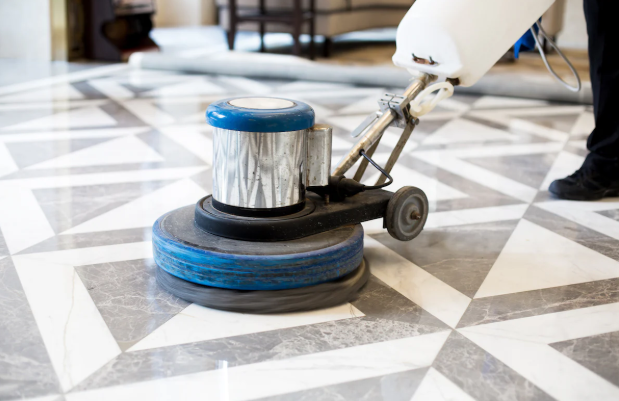
A floor polish machine is designed to buff, scrub, and polish floors using high-speed rotating pads or brushes. These machines apply pressure and friction to remove minor scratches, surface dust, scuffs, and dullness. Depending on the model and attachment, floor polishers can also help distribute and cure protective coatings or sealants.
They’re commonly used on hard floor surfaces such as:
- Concrete
- Terrazzo
- Marble
- Vinyl
- Tile
- Hardwood
The result? A cleaner, shinier, and more slip-resistant surface that’s better prepared to withstand the rigors of daily use.
Key Benefits of Using a Floor Polish Machine
1. Enhanced Appearance
Nothing says “clean and professional” like a polished, reflective floor. It creates a lasting first impression for customers, tenants, and employees.
2. Surface Protection
Polishing smooths out uneven wear and helps extend the life of the floor by preventing minor abrasions from developing into larger problems.
3. Improved Safety
Regular polishing can help maintain the traction levels required for safety, reducing the risk of slips and falls.
4. Cost Savings
By preventing early deterioration, companies can delay costly flooring replacements. Also, a polished floor is easier to clean, reducing janitorial effort and cost.
How Often Should Commercial Floors Be Polished?
The frequency depends on traffic levels and flooring type:
- High-traffic areas (airports, hospitals, retail stores): every 2–4 weeks
- Moderate-traffic areas (offices, lobbies): every 1–2 months
- Low-traffic areas (storage rooms): every 3–6 months
Machines with adjustable speed settings and interchangeable pads allow operators to adapt the polishing process to the floor’s specific needs and material.
Choosing the Right Floor Polish Machine
When selecting a floor polish machine for your business or maintenance crew, consider:
- Pad speed and pressure: Higher speeds (over 1500 RPM) offer better gloss but require skilled handling.
- Size and maneuverability: Compact machines are ideal for tight areas, while larger units cover wide-open spaces quickly.
- Noise level: In 24/7 facilities, low-decibel machines are crucial for minimizing disruption.
- Power source: Choose between battery-operated or corded units depending on mobility requirements.
Routine maintenance—like cleaning pads, checking wires, and inspecting drive belts—also ensures optimal performance and machine longevity.
Role in Industrial Epoxy Flooring Maintenance
Industrial epoxy flooring is prized for its durability and seamless appearance. However, even epoxy surfaces lose their luster over time due to foot traffic, spills, and abrasion. This is where a floor polish machine becomes essential.
After the initial epoxy curing, regular polishing helps preserve the coating’s shine and chemical resistance. It can also aid in the reapplication of maintenance coatings like wax or burnishing compounds that further protect the surface.
Chromology, a well-regarded provider of flooring tools and materials, emphasizes the value of proper polishing equipment to maximize epoxy lifespan. Their solutions support professionals across industries looking to maintain industrial flooring without compromise.
Final Thoughts
For any business or property manager responsible for commercial facilities, investing in or renting a reliable floor polish machine is a practical step toward long-term savings and visual appeal. From day-to-day cleaning routines to specialty applications like industrial epoxy flooring, polishing machines provide consistent results with less effort and time.
Whether you’re dealing with concrete in a warehouse or high-gloss tile in a retail space, the right floor care strategy—and tools—make all the difference. Regular polishing isn’t just about shine; it’s a reflection of your commitment to quality, safety, and professionalism.