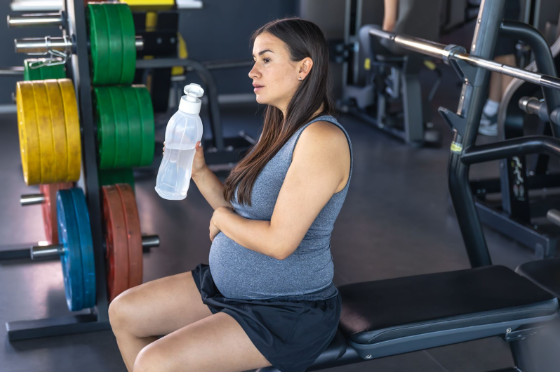
Pregnancy is one of the most transformative journeys a person can go through—physically, mentally, and emotionally. During this time, many expectant and new mothers want to stay active, feel strong, and recover well after giving birth. However, exercise during and after pregnancy comes with specific challenges and safety considerations. This is where personal training focused on prenatal and postnatal fitness becomes an invaluable tool.
Working with a qualified personal trainer who specialises in this area ensures that both the mother’s and baby’s well-being are prioritised. From tailored workouts to emotional encouragement, the benefits of personalised guidance can make all the difference in achieving fitness goals safely and effectively.
Understanding Pre and Postnatal Fitness
What is prenatal fitness?
Prenatal fitness refers to physical activity and structured exercise during pregnancy. It focuses on maintaining strength, cardiovascular health, flexibility, and posture while preparing the body for childbirth. Exercises are designed to be low-impact and adapted to each stage of pregnancy.
What is postnatal fitness?
Postnatal fitness involves the recovery and rebuilding of strength, stability, and stamina after giving birth. This stage focuses on gradually reintroducing movement, restoring core and pelvic floor function, and managing energy levels while adjusting to a new routine.
The Role of a Personal Trainer in Pre-Natal Fitness
A certified personal trainer with experience in prenatal exercise provides individualised support based on the client’s trimester, health history, and energy levels.
Tailoring workouts to each stage of pregnancy
Each trimester brings different physical and hormonal changes. In the first trimester, fatigue and nausea may limit exercise capacity. In the second, many women regain energy and can increase movement. In the third trimester, balance and mobility become more limited. A personal trainer knows how to modify exercises safely through these stages to support both the mother’s body and the baby’s development.
Monitoring warning signs and risk factors
While staying active during pregnancy offers numerous benefits, certain red flags—like dizziness, cramping, or excessive shortness of breath—must be monitored. A trainer ensures exercises do not strain abdominal muscles, particularly to avoid conditions like diastasis recti. They can also coordinate with a healthcare provider to ensure exercise aligns with medical guidance.
Supporting strength, posture, and breathing
Many prenatal workouts focus on strengthening the back, glutes, and core muscles to support the growing belly. Functional strength helps reduce common discomforts such as lower back pain and poor posture. Trainers also guide clients through breathing techniques that support relaxation and can be helpful during labour.
The Importance of Postnatal Personal Training
After childbirth, every woman’s recovery journey is different. Whether recovering from a C-section, natural birth, or dealing with physical or emotional trauma, personal training provides structure and support tailored to unique needs.
Assessing readiness to return to exercise
A personal trainer can assess when a new mother is ready to resume physical activity. This often depends on factors like the type of delivery, the presence of abdominal separation, and clearance from a healthcare provider. Rushing into exercise too soon can lead to injury or long-term issues.
Rebuilding core strength and pelvic floor
One of the most critical aspects of postnatal recovery is re-engaging the core and pelvic floor. Personal trainers help clients restore deep core function using progressive exercises that avoid strain. Kegels, breathing techniques, and posture correction play a vital role in healing.
Preventing injury and improving confidence
New mothers are often fatigued and experience hormonal fluctuations that affect muscle strength and joint stability. A trainer helps identify imbalances and avoid overtraining. Just as importantly, they offer emotional support, helping clients rebuild confidence in their bodies after childbirth.
Psychological and Emotional Benefits
Pre and postnatal fitness is about more than just physical outcomes. Many women report increased mood stability, lower anxiety, and a greater sense of control when they exercise during and after pregnancy.
Building routine and accountability
It’s easy to feel overwhelmed during pregnancy or early motherhood. Regular sessions with a trainer create structure and a healthy outlet for stress. The sense of routine and progress can be motivating and empowering.
Social and emotional support
Many personal trainers serve as more than just coaches. They become cheerleaders and sounding boards. This connection can be especially meaningful during emotionally charged times, like postpartum recovery, when many new mothers feel isolated.
Choosing the Right Pre and Post-Natal Personal Trainer
Not all trainers are qualified to work with pre- and postnatal clients. It’s essential to work with someone who has specialised certifications and experience in this area.
What to look for in a trainer
- Certified in prenatal and postnatal fitness
- Experience working with clients during and after pregnancy
- Ability to collaborate with your medical provider
- Compassionate, patient, and understanding demeanour
- Willing to adapt programs as needed
Questions to ask
- What certifications do you hold in pre/postnatal fitness?
- How do you tailor workouts based on pregnancy stage?
- Do you have experience helping with pelvic floor or abdominal recovery?
- Can you help modify sessions based on sleep and energy levels?
Conclusion
Pre and postnatal fitness is not a one-size-fits-all journey, and personal training provides a safe, supportive, and effective path forward. Whether it’s helping maintain strength during pregnancy or rebuilding stability and confidence after childbirth, a qualified personal trainer plays a critical role in navigating the physical and emotional challenges of motherhood.
By choosing a trainer who understands the complexities of this life stage, women can feel empowered, safe, and supported in their fitness goals. Investing in professional guidance isn’t just about getting back in shape—it’s about caring for long-term health, confidence, and well-being during one of the most life-changing experiences there is.