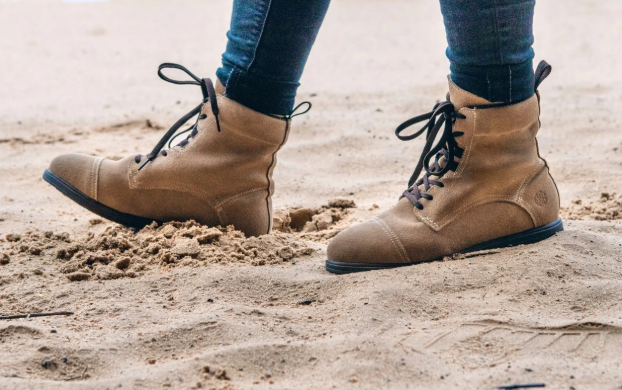
Finding the right pair of womens work boots for factory environments goes beyond color, brand, or personal preference. In settings that demand long hours on hard surfaces, exposure to machinery, and potential hazards, the right footwear can directly impact comfort, productivity, and safety.
Unlike fashion boots or general-purpose footwear, work boots for factory use are specialized tools. They must meet specific performance standards while fitting the unique anatomical and ergonomic needs of women. Whether you’re selecting for yourself or managing a team’s PPE (personal protective equipment) needs, understanding key specifications is essential to making an informed choice.
1. Prioritize Safety Compliance and Certifications
The first and most important aspect of selecting womens work boots is confirming they meet national and industry safety standards. In Australia, look for compliance with AS/NZS 2210.3 or other internationally recognized standards. These certifications ensure that the boots have passed rigorous testing for impact, compression, slip resistance, and more.
Safety toe protection—whether steel, composite, or alloy—is often mandatory in factory environments. The choice between them depends on weight preference, conductivity concerns, and magnetic field exposure. Steel toes offer traditional protection but are heavier, while composite options provide similar safety with less weight and no metal components.
2. Material Considerations for Factory Conditions
Material choice should align with the specific risks of the workplace. For example, in factories where oils or chemicals are used, leather uppers with oil-resistant rubber soles are more appropriate. Water-resistant or waterproof materials are vital in wet conditions, while breathable mesh linings may suit hot or dry climates.
High-quality full-grain leather is still considered one of the most durable materials for industrial boots. However, synthetic materials like thermoplastic polyurethane (TPU) are increasingly used for their light weight, resistance to abrasions, and lower maintenance requirements.
3. Support, Cushioning, and Ergonomics
Comfort is not just a luxury—it’s a productivity and injury-prevention factor. Long shifts on concrete can cause foot fatigue, joint pain, and even long-term musculoskeletal issues. Therefore, look for womens work boots with:
- Cushioned insoles (preferably removable)
- Contoured footbeds
- Shock-absorbing midsoles
- Adequate ankle support
Heel cups and arch support features are especially important for women with flat feet or high arches. Some brands offer gender-specific lasts and anatomically shaped boots for female foot structures, which are typically narrower in the heel and have a different arch curve compared to men’s.
4. Slip Resistance and Sole Design
Slip resistance is a must-have feature for any factory work boot. The outsole material and tread pattern determine how well a boot grips smooth, oily, or wet surfaces. Rubber outsoles with deep lugs or specific traction zones offer better stability across varied surfaces.
Heat-resistant outsoles are necessary if working in environments with exposure to hot surfaces or molten materials. Look for soles rated up to 300°C for short contact exposure. Additionally, electrical hazard (EH) rated boots may be required in some industrial settings where contact with live wires is a risk.
5. Weight and Flexibility
Heavy-duty safety boots don’t have to be overly heavy. Lightweight materials and ergonomic designs help reduce fatigue over long periods. Composite toe caps, flexible soles, and breathable linings all contribute to greater comfort without sacrificing protection.
It’s also important to strike a balance between rigidity and flexibility. A boot that’s too stiff can hinder movement, while one that’s too soft may not provide enough protection. Trial fitting with the same type of socks worn on the job is recommended before finalizing a purchase.
6. Sizing and Fit for Women’s Feet
Women often struggle to find properly sized safety boots since many manufacturers produce smaller versions of men’s designs. However, true womens work boots account for narrower heels, higher arches, and different instep measurements.
Ensure there’s ample toe room—especially with safety caps—without causing heel lift or slipping. A good factory work boot should allow for natural foot movement, swelling through the day, and occasional thicker socks in colder environments.
Final Thoughts: Matching Footwear with Professional Needs
Selecting the right pair of womens work boots isn’t just about individual comfort—it’s a decision that contributes to overall safety, performance, and team cohesion in demanding work environments. Whether for warehousing, food processing, logistics, or mechanical assembly, the ideal work boot combines all the critical features outlined above.
Just like proper boots, the rest of your safety attire must meet practical and branding standards. When sourcing work uniforms, pairing protective footwear with coordinated apparel helps reinforce both professionalism and safety in the factory setting. From reflective vests to fire-retardant fabrics and high-utility pants, the entire uniform should function as one cohesive system—starting with a pair of reliable work boots.