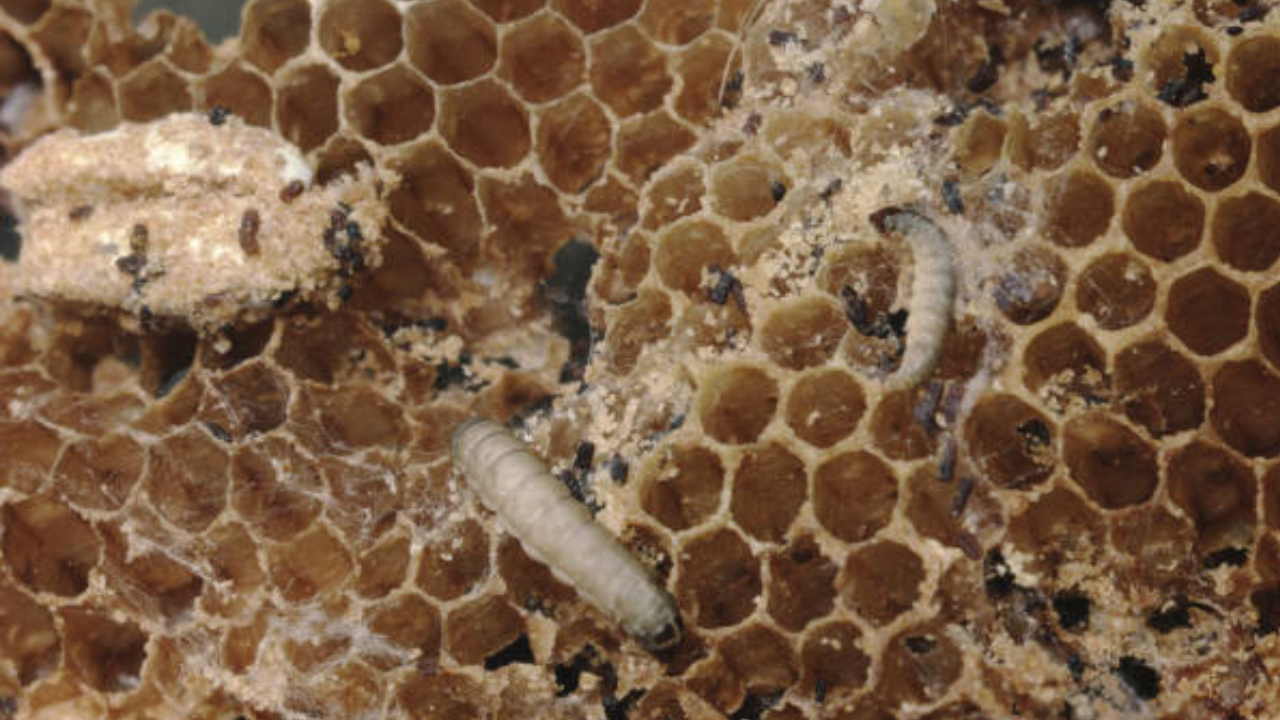
Feeding your reptile pets nutritious food is key to their health and happiness. Waxworms are a popular choice because they provide a tasty, energy-rich treat that reptiles love. However, many pet owners struggle with questions like:
- Are these worms really good for my reptile’s diet?
- Can feeding them too much cause health issues?
- How do I store and handle these worms properly?
These concerns can make feeding confusing and stressful. Here, we will dive into the top benefits of feeding worms to your reptiles and how to use them safely for the best results.
1. Highly Nutritious and Energy-Packed
These worms are rich in fats and proteins, giving reptiles a quick energy boost. This makes them ideal treats for reptiles that need extra calories, like growing juveniles or gravid females. The fats in these worms support healthy skin and energy reserves, while the protein content helps with muscle development and overall vitality.
2. Soft and Easy to Digest
Unlike some feeder insects with hard exoskeletons, these worms have a soft body. This makes them gentle on your reptile’s digestive system, especially for young or sick reptiles that may struggle with tougher prey. Feeding soft-bodied worms can help improve digestion and nutrient absorption.
3. Irresistibly Tasty to Pets
Many reptiles find these worms irresistible, making feeding time easier and more enjoyable. If your pet is a picky eater or needs encouragement to eat, these worms can be a useful tool to stimulate appetite. This can be especially helpful for reptiles recovering from illness or stress.
4. Easy to Store and Handle
These worms are easy to keep at home. They require simple storage conditions—keeping them cool and dry with minimal moisture. This helps prevent mold and keeps them fresh longer. When you buy these worms online or from a pet store, proper storage ensures they remain healthy and lively for your pets.
Now, after understanding the core benefits, it’s helpful to explore other popular feeder insects and how these worms compare.
5. Combining Worms with Other Feeder Insects
While these worms are excellent, they should not be the only food source. For a balanced diet, combine them with other feeders like Dubia roaches, mealworms, superworms, or crickets. These insects provide a variety of nutrients and textures, which help replicate a reptile’s natural diet and prevent obesity caused by too much fat.
6. Supporting Pet Health with Quality Feeders
Choosing high-quality feeders is essential. Many reptile owners now buy live feeder insects like worms online from trusted providers. This guarantees the insects are healthy, properly raised, and contain the right amount of nutrients. Additionally, providers often offer different sizes of worms, so you can pick the right size for your pet.
7. Easy Feeding and Fast Energy
These worms deliver quick energy, making them perfect treats after activity or during times when your reptile needs an energy boost. Their high-fat content supports stamina, helping pets stay active and lively.
8. Waxworms for Various Reptile Types
These worms suit many reptiles, including bearded dragons, geckos, chameleons, and amphibians like frogs and salamanders. Even some birds benefit from these worms as a protein-rich treat. Their soft texture makes them suitable for a wide range of species.
Conclusion
These worms are a fantastic addition to your reptile’s diet, offering high nutrition, easy digestion, and irresistible taste. While they provide quick energy and essential fats, it’s important to feed them in moderation and combine them with other feeder insects for a balanced diet. Proper storage and choosing healthy, quality worms ensure your pets receive the best nutrition possible. Whether you have a bearded dragon, gecko, or amphibian, these worms can boost their health and vitality. With the right care and feeding routine, these worms make feeding time easier and more enjoyable for both you and your reptile.