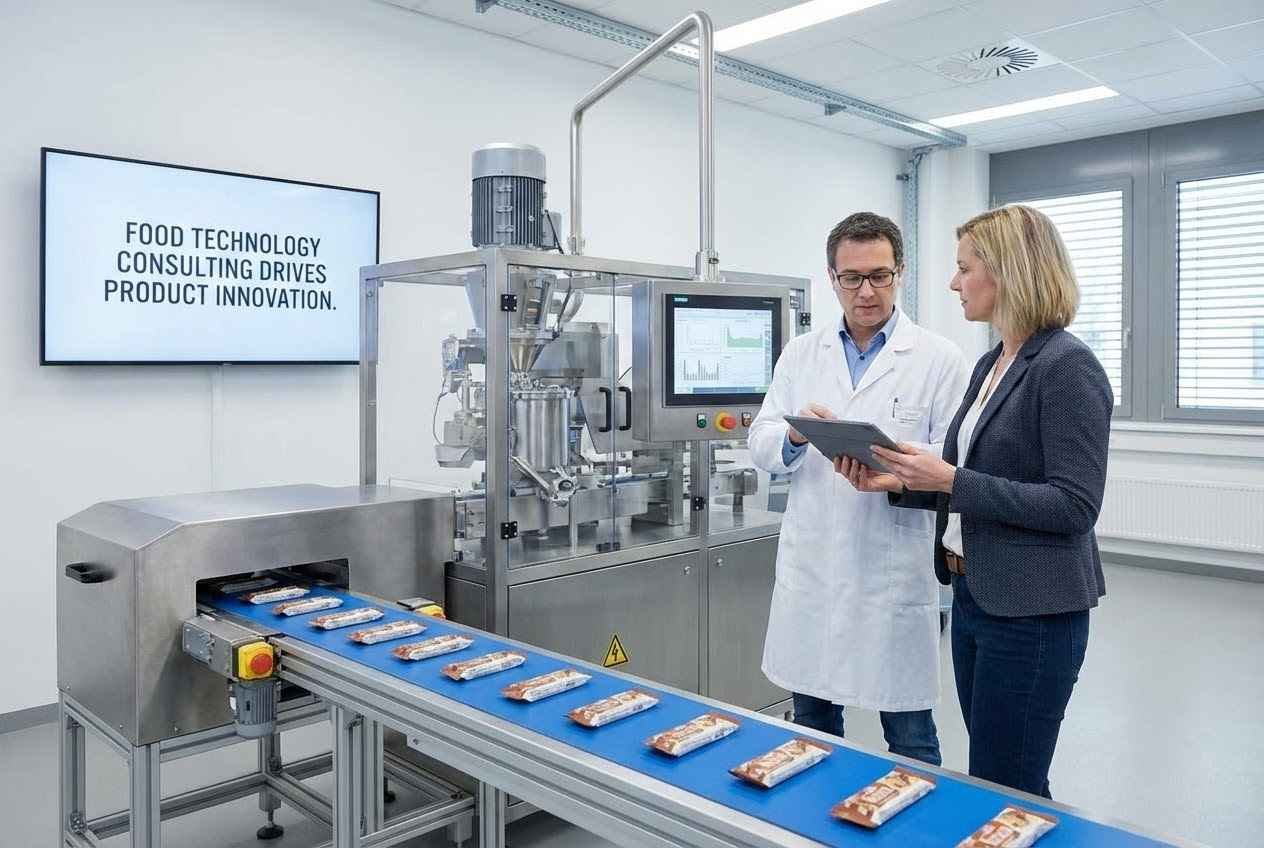
Modern food brands face unprecedented complexity in bringing products to market. From navigating intricate regulatory landscapes to implementing advanced processing technologies, the challenges demand specialized expertise that most companies cannot maintain in-house. This is where food technology consulting becomes invaluable. Professional food science consulting services provide brands with access to cutting-edge knowledge, industry best practices, and practical solutions that transform innovative ideas into successful commercial products.
The Scope of Food Technology Consulting
Technical Expertise Across Disciplines
Food science consulting encompasses multiple technical disciplines, including formulation chemistry, process engineering, microbiology, and nutritional science. Consultants bring specialized knowledge to address specific product development challenges, from shelf-life extension and texture optimization to flavor development and fortification strategies.
Food Tech Innovation Support
The food industry continues to evolve with emerging technologies such as precision fermentation, cellular agriculture, and advanced food processing methods. Food product consulting professionals stay current with these innovations, helping brands evaluate and implement new technologies that offer competitive advantages.
Key Services in Food Technology Consulting
Product Development and Formulation
Professional consultants guide complete product development from concept through commercialization. They develop optimal formulations that balance taste, nutrition, cost, and consumer appeal while ensuring manufacturability at commercial scale.
Process Optimization and Manufacturing Efficiency
Consultants analyze production processes to identify inefficiencies, reduce waste, and improve yields. Their expertise helps brands implement processing improvements that enhance quality while reducing costs.
Regulatory Compliance and Food Safety
Navigating FDA regulations, FSMA requirements, and international standards requires specialized knowledge. Consultants ensure products meet all applicable regulations, preventing costly recalls or reformulations.
Benefits for Different Business Types
Support for Startups and Small Brands
New food companies often lack internal technical expertise. Consulting services provide startups with the food science capabilities they need without the expense of full-time specialized staff. This levels the playing field against larger competitors.
Strategic Advantages for Established Companies
Even large food companies engage consultants for specialized projects, capacity support during peak periods, or objective outside perspectives. Consultants bring fresh insights and specialized expertise that complement internal teams.
The Consulting Process
- Assessment and Strategy Development
Successful engagements begin with thorough understanding of client goals, challenges, and constraints. Consultants assess current situations, identify opportunities, and develop strategic approaches aligned with business objectives.
- Implementation and Technical Support
Consultants provide hands-on support throughout project execution. Whether developing new formulations, troubleshooting production issues, or implementing quality systems, they work collaboratively with client teams to achieve desired outcomes.
- Knowledge Transfer and Capability Building
Quality consultants don’t just solve immediate problems—they help build client capabilities. Through training, documentation, and collaborative work, they transfer knowledge that strengthens internal teams.
Selecting Food Technology Consultants
- Evaluating Qualifications and Experience
When choosing food science consulting partners, assess their educational backgrounds, industry experience, and track record of successful projects. Look for consultants with deep expertise in your specific product categories.
- Assessing Technical Resources
The best consultants maintain access to laboratories, pilot plants, and analytical equipment that enhance their service delivery. These resources enable comprehensive product development support beyond just advisory services.
- Cultural Fit and Communication
Effective consulting relationships require good communication and collaborative working styles. Select consultants who demonstrate transparency, welcome questions, and adapt their approach to your company culture.
Emerging Trends in Food Technology
- Sustainable Food Systems
Consultants help brands develop sustainable products and practices that reduce environmental impact while meeting consumer demand for eco-friendly options.
- Plant-Based and Alternative Proteins
The rapid growth in plant-based foods creates opportunities and challenges. Food tech innovation experts guide brands through technical hurdles in creating appealing alternative protein products.
- Functional Foods and Personalized Nutrition
Products offering health benefits beyond basic nutrition represent significant growth areas. Consultants develop functional food formulations that deliver benefits while maintaining consumer appeal.
Measuring Consulting Success
- Project Outcomes and Deliverables
Successful consulting engagements produce measurable results whether faster time-to-market, cost reductions, improved product quality, or successful regulatory approvals.
- Long-Term Value Creation
Beyond immediate project goals, quality consulting builds capabilities and lays the foundation for continued success. The knowledge gained and systems implemented continue delivering value long after projects conclude.
Conclusion
Food technology consulting provides brands with specialized expertise that drives product success in increasingly competitive markets. Whether launching innovative products, optimizing existing operations, or navigating regulatory complexities, professional food product consulting delivers the technical knowledge and practical guidance necessary for achieving business objectives. As the food industry continues evolving, partnering with experienced consultants offers companies the competitive advantages needed to thrive while managing costs effectively and building internal capabilities for sustainable growth.