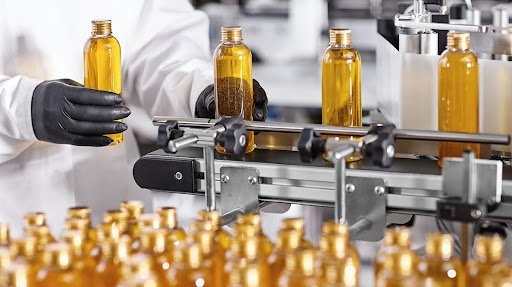
In the cosmetics business, packaging is much more than just holding a product. It guards confidential formulations, conveys brand worth, helps to comply withregulations and has a direct effect on customer loyalty. Even the best cosmetic formula may not succeed in the market because of poor packaging or safety issue.
With the growth of cosmetic brands into the international markets, there is a risk of packaging because of the variety of suppliers, materials, and production settings. Minor changes in the quality of packaging may result in leakage, contamination, labeling mistakes, or shortening of shelf-life, which can provoke recalls or reputational losses.
The Role of Packaging in Cosmetic Product Integrity
Cosmetic products are usually volatile, reactive, or light-sensitive. Packaging provides the initial protection against environmental exposure, physical damage and microbial contamination. In case of packaging failure, the stability and safety of products are lost at once.
In addition to protection, packaging can also ensure dosage precision and convenience to the user. Pumps, droppers, caps and seals should work accurately, otherwise consumers will have leakage, overdose or waste of the product, which will have a negative effect on brand perception.
Why Cosmetics Packaging Requires Specialized Inspection
Cosmetic packaging presents a complicated interaction of materials as opposed to generic consumer goods. Plastics, glass, metal and coatings should be able to match the formulations in the long run. The interaction between packaging and product chemically can change color, texture or efficacy.
That is why Cosmetics packaging inspection is determined not only by the visual defects, but also by the functional performance and material appropriateness. Check agents test the integrity of sealing, fit, finish, and pressure, temperature and transportation stress.
Key Areas Evaluated During Packaging Inspection
Packaging inspection starts with checking of the material used to ensure that approved substrates and grades are utilized. Any replacement, however visually similar, may have an impact on durability or chemical resistance.
It is followed by functional testing which includes closure strength, leakage resistance, drop testing and torque measurements. The checks make sure that packaging is done in a consistent manner during filling, shipping, storage and end use.
Linking Packaging Checks to Broader Quality Control
Packaging is a commonly known activity that is checked independently, however, its true worth is realized when incorporated in the overall quality systems. Late defects in production may result in huge rework or delays in shipment.
A formal Packaging quality inspection plan is used to ensure that packaging quality is controlled at incoming, in-process and final stages. This multi-level strategy assists in detecting the problems at the initial stage and avoids the appearance of flawed packaging on the filling line.
Preventing Compliance and Labeling Risks
The cosmetic packaging should be of high regulatory standards in various markets. Other non-compliance may be caused by incorrect labeling, low print quality or the absence of required information even though the product itself is safe.
Inspection teams confirm the location of the labels, legibility, color conformity and permanence. They also ensure that batch numbers and expiry dates are properly put in place and are not easily smudged or faded.
Reducing Brand and Market Risks
Defects in packaging are very visible to consumers and can be taken to be of low quality of the product. Leakage of bottles, broken jars or incorrectly placed labels can create negative reviews and destroy trust within a short period.
Brands avoid losing their reputation and minimizing expensive returns by detecting these problems prior to shipping. Regular quality of packaging also enhances brand recognition and increases customer trust in the retail and e-commerce platforms.
Supporting Supplier Accountability
Most cosmetic companies have various suppliers of packaging in different regions. The quality may differ greatly among batches and vendors without regular inspection criteria.
Detailed inspection standards and a record of results can make suppliers responsible. This, in the long run, promotes process improvement, improved material control, and brand congruency.
Enabling Scalable Production Growth
The packaging volumes grow exponentially as cosmetic brands grow. The suppliers who are good at low volumes might have difficulties with consistency at high output levels.
Packaging inspections offer data-driven information on supplier capability to assist a brand in determining whether suppliers have the capacity to scale up without compromising quality. This visibility assists informed sourcing and extended relationships with suppliers.
Conclusion
Cosmetic packaging cannot be regarded as a secondary issue, but a quality element that has a direct impact on product safety, compliance, and customer experience. Viewing packaging inspection as a subset of quality control assists brands to shift their problem-solving approach to risk prevention.
Cosmetic firms can protect their products, build brand confidence and maintain uniform quality in the international market by investing in systematic inspection procedures and supplier responsibility.