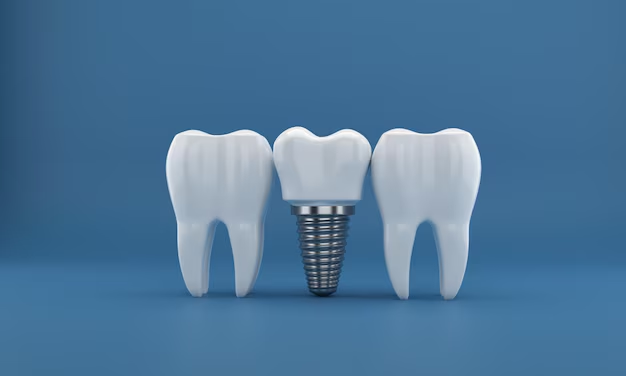
Dental implants represent the most complete and functionally superior solution for replacing missing teeth currently available in dentistry. Unlike dentures or bridges, complete dental implants replace both the visible crown and the missing tooth root with a permanent titanium fixture that integrates directly with the jawbone — providing stability, preserving bone structure, and restoring full chewing function in a way that removable alternatives cannot.
For patients in Coventry considering dental implants, understanding the complete process — from initial assessment through to the final restoration — and knowing what makes a quality dental implant provider essential for long-term success, supports informed decision-making about this significant investment.
How Dental Implants Work
A dental implant consists of three components: the titanium implant fixture (the ‘root’), the abutment (the connector between the implant and the crown), and the dental crown (the visible tooth-shaped restoration). The titanium fixture is surgically placed in the jawbone during a relatively straightforward procedure performed under local anaesthesia, with sedation available for anxious patients.
Following placement, the implant undergoes osseointegration — a biological process in which the surrounding bone cells grow into the surface texture of the titanium fixture, creating a direct structural and functional bond. This process takes approximately three to six months, after which the abutment and final crown are fitted, completing the restoration.
Dental Implants in Coventry: Who Is a Suitable Candidate?
Most adults with good general health and adequate jawbone density are suitable candidates for dental implants. The key clinical requirements are:
- Sufficient jawbone volume to support the implant fixture
- Healthy gum tissue free from active periodontal disease
- Good general health without uncontrolled medical conditions that impair healing
- Non-smoking or committed to smoking cessation, as smoking significantly increases implant failure risk
Patients with insufficient jawbone density are not automatically excluded — bone grafting procedures can augment bone volume before or simultaneously with implant placement in many cases. A thorough assessment including 3D CBCT imaging by an experienced dental implant provider determines candidacy accurately and plans treatment precisely.
The Dental Implant Process Step by Step
Comprehensive Assessment
A complete assessment includes clinical examination, dental X-rays, and ideally a 3D CBCT scan that provides detailed information about bone volume, density, sinus position, and nerve location. This data is essential for safe implant planning. Treatment planning should be discussed transparently, including timeline, number of appointments, costs at each stage, and options for managing the gap during the healing period.
Implant Placement
The surgical placement appointment typically takes 60 to 90 minutes per implant under local anaesthesia. Post-operative discomfort is usually manageable with standard over-the-counter analgesia and resolves within a few days for most patients. Smoking, hard foods, and vigorous rinsing should be avoided during the initial healing period.
Healing and Osseointegration
During the osseointegration period, most patients wear a temporary restoration to maintain aesthetics and function. Osseointegration is confirmed by clinical and radiographic assessment before the permanent abutment and crown are fitted.
Final Restoration
The final dental crown is custom-fabricated to match the colour, shape, and size of the surrounding natural teeth, providing a result that is visually indistinguishable from a natural tooth in most cases.
Long-Term Maintenance of Dental Implants
Dental implants are not maintenance-free. Excellent daily oral hygiene — including flossing around implant crowns and using interdental brushes — and regular professional hygiene appointments are essential to preventing peri-implantitis (inflammatory disease around the implant). With proper care, implants placed by a skilled provider routinely last 15 to 25 years or more.
Conclusion
Complete dental implants in Coventry offer patients the closest available replacement to natural tooth structure and function. The quality of the planning, placement, and restoration determines long-term success — making the choice of a skilled, experienced dental implant provider in Coventry one of the most important decisions in your implant journey. Invest in a thorough assessment and transparent treatment planning from a practice with demonstrable implant expertise.
FAQs
- How long does the complete dental implant process take in Coventry?
The full dental implant process typically takes between three and six months, allowing time for the implant to integrate with the jawbone before the final crown is fitted. - Are dental implants a permanent solution for missing teeth?
Dental implants are designed to be a long-term solution. With proper oral hygiene and regular dental check-ups, implants can last 15–25 years or even longer. - Is the dental implant procedure painful?
The implant placement procedure is usually performed under local anaesthesia, so patients should not feel pain during the surgery. Mild discomfort or swelling may occur afterward but is generally manageable with standard pain relief.