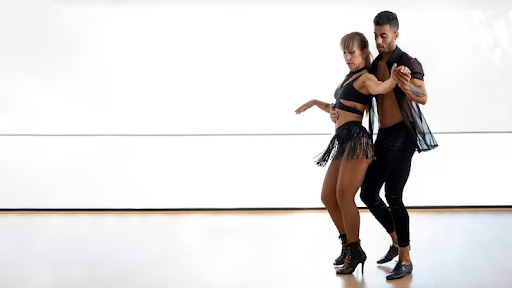
Salsa dance classes offer structured pathways for dancers to master this vibrant Cuban dance form, which has captivated social scenes worldwide. Originating from the fusion of son cubano, mambo, and other Afro-Caribbean rhythms, salsa offers both partners a dynamic blend of technical precision and expressive freedom. Understanding the progressive structure of quality salsa dance classes reveals how beginners transform into confident social dancers within months of consistent practice.
Core Elements of Salsa Dance Classes
On1 vs On2 Timing Systems
Salsa dance classes typically teach either LA Style (On1) or New York Style (On2) timing systems. On1 timing executes breaks forward and back on counts 1 and 5, creating straightforward partner dynamics ideal for beginners. On2 timing, more popular on East Coast scenes, breaks on 2 and 6, allowing a smoother musical connection with clave rhythms. Quality instructors explain both systems, helping students choose based on social dance goals and musical preferences.
Fundamental Partner Positions
Effective salsa dance classes establish six basic hand positions before introducing turns. Natural top, open position, and cross-hand hold form foundational connections. Instructors emphasize frame clarity firm but relaxed arm positioning that communicates lead and follow intentions without physical force. Proper hand pressure and eye contact develop intuitive partner communication essential for fluid social dancing.
Progressive Learning Structure
Level 1: Foundation Building
Beginner salsa dance classes focus on right-left-right basic step, maintaining frame during stationary practice. Students master dile que no (outside turn), cross-body lead, and right turn combinations that form 90% of social dancing. Slow music speeds allow focus on weight transfer precision and partner connection. RF Dance’s beginner classes implement partner rotation ensuring students practice with diverse leads and follows from first session.
Level 2: Turn Patterns and Musicality
Intermediate salsa dance classes introduce inside turns, cross-body lead variations, and setenta (shoulder hook) patterns. Students learn to maintain frame during multiple turns and incorporate basic body movement. Musicality training begins with accenting clave beats and recognizing montuno sections for added flair. These classes bridge technical foundation with social dance readiness.
Advanced Styling and Performance
Leader Techniques
Advanced salsa dance classes for leaders emphasize clear connection through elbow positioning and torso rotation. Students master multiple turn combinations, suzi q footwork, and preparatory body movements that set up complex patterns. Performance quality instruction covers leading with intention, maintaining frame under pressure, and reading partner energy for spontaneous styling.
Follower Techniques
Advanced follower salsa dance classes develop shine footwork, head whips, and body isolations that enhance visual appeal. Students learn to decorate leads with hip circles, arm styling, and footwork variations while maintaining connection. Cuban motion natural figure-eight hip movement becomes second nature, creating the fluid aesthetic that defines professional-level social dancing.
Musical Understanding in Salsa Dance Classes
Clave Rhythm Recognition
Quality salsa dance classes teach clave awareness—the rhythmic foundation underlying all authentic salsa music. The 2-3 and 3-2 clave patterns determine phrasing and call-response structure. Students learn to feel clave through body movement, ensuring turns and breaks align with musical architecture rather than arbitrary counting.
Song Structure Knowledge
Salsa dance classes covering montuno breaks, mambo sections, and call-and-response patterns prepare students for extended social dances. Understanding when to add shines during piano solos or intensify connection during coro sections creates dynamic partner conversations that experienced dancers recognize and appreciate.
Physical and Mental Benefits
Comprehensive Fitness Training
Salsa dance classes provide interval training benefits through continuous partner exchanges and turn patterns. Core engagement maintains frame stability, leg conditioning develops from quick footwork changes, and upper body toning results from leading/following resistance. Unlike linear cardio, salsa’s multidirectional movement improves coordination, balance, and agility simultaneously.
Confidence Development
Structured progression in salsa dance classes creates measurable milestones that build self-efficacy. Mastering complex turn patterns translates to social confidence, while musical connection develops emotional expressiveness. Regular partner rotation eliminates performance anxiety, preparing students for diverse social dance scenarios without attachment to specific partners.
Choosing Effective Salsa Dance Classes
Instructor to Student Ratio
Optimal salsa dance classes maintain instructor-to-student ratios allowing individual corrections. RF Dance achieves this through multiple qualified instructors per class, ensuring personalized feedback reaches every participant. Observe class structure—effective sessions balance demonstration, partner practice, and review cycles that reinforce muscle memory.
Practice Integration
Quality salsa dance classes connect directly to studio practice parties where students implement techniques in social settings. These transitions from structured learning to free-styling build confidence and reveal application gaps requiring additional class focus. Consistent social practice reinforces class material while developing improvisation skills essential for confident dancing.
Conclusion
Salsa dance classes offer systematic pathways from fundamental footwork to performance-ready social dancing. The combination of technical progression, musical understanding, and community support creates transformative learning experiences that extend far beyond studio walls. Whether seeking fitness, social connection, or artistic expression, dedicated salsa dance classes deliver measurable skill development and lasting confidence that enrich both dance floors and personal lives.


