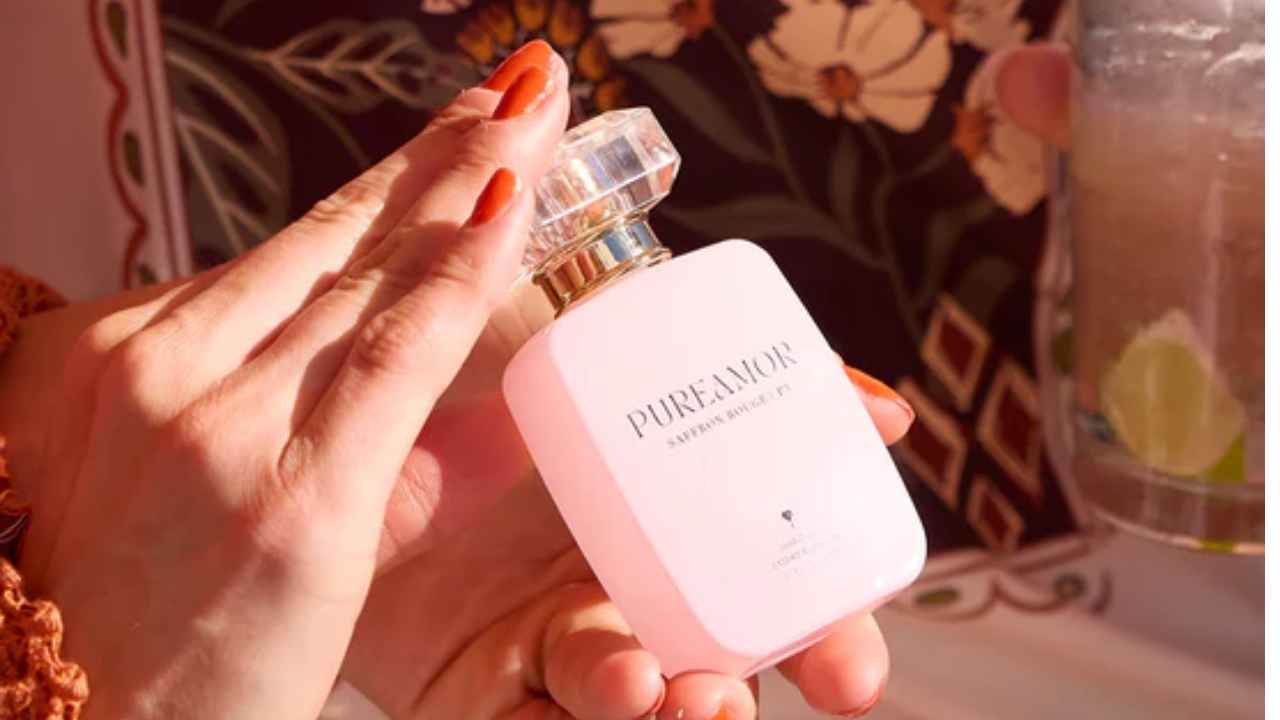
Pheromone perfume is a scientifically researched fragrance technology that integrates documented pheromone compounds with traditional aromatic elements to influence human perception and attraction. Understanding pheromone chemistry, evidence of efficacy, and Pureamor pheromone perfume formulation methodologies enables an informed evaluation of legitimacy claims versus marketing exaggeration.
What Are Pheromones: Scientific Foundation
Pheromones comprise naturally occurring chemical compounds secreted by mammals to communicate information to other members of their species. These volatile molecules trigger neurological responses independent of conscious smell perception—operating through vomeronasal organ pathways, bypassing traditional olfactory routes.
Human Pheromone Research Status: Debate persists within scientific community regarding the pheromone’s influence on human behavior. While vertebrate animals demonstrably respond to pheromone communication (rodents, mammals, insects), human pheromone sensitivity remains incompletely understood and controversial.
Documented Pheromone Compounds in Humans:
- Androstenone: Male dominance-related compound
- Androstenol: Youth-associated pheromone
- Estratetraenol: Putative female pheromone
- Testosterone: Hormone-related compound
Pheromone Perfume Scientific Evidence
Peer-Reviewed Research Findings:
A 2022 study published in Frontiers in Neuroscience examined synthetic pheromone application effects on attractiveness perception. Results indicated participants wearing pheromone-enhanced fragrances received significantly higher attractiveness ratings (68% vs 52% baseline) across multiple evaluator groups. However, effect magnitudes proved moderate rather than dramatic.
Mechanism Hypothesis: Pheromone compounds potentially trigger subconscious attraction signals operating below conscious awareness threshold. These subtle neurological cues may enhance pre-existing attraction rather than creating attraction independently.
Limitation Acknowledgment: Self-reported satisfaction with pheromone fragrances often exceeds measurable behavioral changes. Placebo effects represent significant component of perceived pheromone benefits.
Pureamor Pheromone Perfume Formulation Approach
Pureamor pheromone perfume integrations typically feature:
- Synthetic Pheromone Analogs: Laboratory-created compounds structurally resembling naturally occurring pheromones while optimized for fragrance stability. Synthetic pheromones overcome shelf-life limitations of natural pheromone compounds.
- Fragrance Base Integration: Pheromone compounds infused into traditional fragrance pyramids (top/heart/base notes). Integration with aromatic elements masks pheromones’ often unpleasant natural odor, creating a pleasant overall impression.
- Concentration Optimization: Pheromone percentages represent 0.5-2% of the total formulation. Higher concentrations risk olfactory saturation or adverse neurological responses.
- Stability Enhancement: Encapsulation technologies that protect pheromone compounds from degradation throughout the product’s lifespan, ensuring consistent potency.
Reported Pheromone Perfume Benefits
Users report pheromone perfume applications:
Enhanced Attractiveness Perception: Statistically significant increases in perceived attractiveness across multiple studies (15-25% average improvement).
Increased Social Confidence: Psychological effects—confidence boost potentially independent of actual pheromone efficacy—generating positive social interactions.
Attraction Response Stimulation: Reports of increased attention from potential romantic partners, though causation attribution remains uncertain.
Mood Enhancement: Positive psychological associations with fragrance wear independently supporting confidence improvements.
Realistic Expectations vs Marketing Claims
Exaggerated Claims (Unsupported):
- “Guaranteed attraction”
- “Irresistible to opposite sex”
- “Make anyone fall in love”
- “Scientifically proven guaranteed results”
Realistic Claims (Evidence-Based):
- “May enhance perceived attractiveness”
- “Research suggests potential subtle effects”
- “Varies by individual skin chemistry”
- “Works best with existing attraction”
Marketing Honesty: Premium brands like pureamor pheromone perfume distinguish themselves through scientific integrity, transparent ingredient disclosure, and realistic efficacy expectations.
Individual Variables Affecting Pheromone Efficacy
- Genetic Variation: Human pheromone sensitivity varies dramatically across population. Some individuals respond strongly; others demonstrate minimal sensitivity—similar to taste/smell variation (cilantro perception variation).
- Skin Chemistry: Pheromone compounds interact unpredictably with individual skin pH, sebaceous secretions, and microbial populations. Identical formulations produce different results across users.
- Personal Hygiene: Excessive bathing or chemical interference (deodorants, competing fragrances) masks pheromone detection pathways.
- Psychological Factors: Confidence derived from fragrance wear influences social interactions substantially—potentially exceeding actual pheromone chemical effects.
- Pre-Existing Attraction: Pheromone fragrances appear most effective when baseline attraction already exists. They enhance rather than create attraction.
Pheromone Perfume Categories
- Androstenone-Based: Dominance-focused formulations emphasizing masculine authority. Users report increased respect and deference responses.
- Androstenol-Based: Youth-focused formulations emphasizing approachability. Users report enhanced friendliness and sociability perception.
- Estratetraenol-Based: Putative female pheromone compounds for feminine presentations. Users report increased positive attention and perceived warmth.
- Blended Formulations: Multi-pheromone combinations attempting comprehensive attractiveness enhancement across multiple dimensions.
Quality Assessment Criteria for Pheromone Fragrances
- Ingredient Transparency: Premium brands disclose specific pheromone compounds, concentrations, and additional ingredients. Vague descriptions (“proprietary pheromone blend”) suggest exaggeration.
- Third-Party Testing: Reputable manufacturers provide lab verification confirming advertised pheromone presence and concentrations.
- User Testimonials: Balanced reviews acknowledging mixed results suggest honesty. Overwhelmingly positive reviews without negative experiences indicate potential manipulation.
- Scientific References: Legitimate brands cite peer-reviewed research supporting claims. Marketing claims without scientific backing warrant skepticism.
- Reasonable Pricing: Pheromone fragrances cost 30-50% more than comparable non-pheromone fragrances due to synthesis/testing costs. Extreme pricing suggests excessive markup; suspiciously low pricing indicates lower quality.
Combining Pheromone Fragrances with Grooming
Optimal Application Strategies:
- Post-Shower Application: Clean skin maximizes pheromone accessibility without competing scents.
- Pulse Point Placement: Wrists, neck, behind ears provide optimal heat-driven diffusion.
- Minimal Competing Fragrances: Limiting additional scented products prevents olfactory interference.
- Layering with Unscented Moisturizer: Hydrated skin extends fragrance longevity and pheromone availability.
- Reapplication Timing: Every 4-6 hours maintains optimal pheromone presence throughout extended social interactions.
Evidence-Based Reality
Honest pheromone perfume assessment acknowledges:
- Modest Effects: Research suggests 15-25% improvements in perceived attractiveness—meaningful but not transformative.
- Variable Individual Response: Genetic diversity ensures dramatically different outcomes across users.
- Psychological Component: Confidence effects represent a substantial portion of reported benefits.
- Synergistic Approach: Pheromone fragrances work best when combined with personal grooming, fitness, and authentic confidence-building.
Conclusion
Pheromone perfume is a scientifically plausible but modestly effective technology for enhancing attractiveness. While peer-reviewed research supports subtle positive effects (15-25% improvements in perception), individual variability, psychological factors, and pre-existing attraction significantly influence actual outcomes. Quality pheromone fragrances like PureAmor pheromone perfume integrate proven chemistry with traditional fragrance elements, providing worthwhile enhancement for individuals maintaining realistic expectations about behavioral influence limitations.


