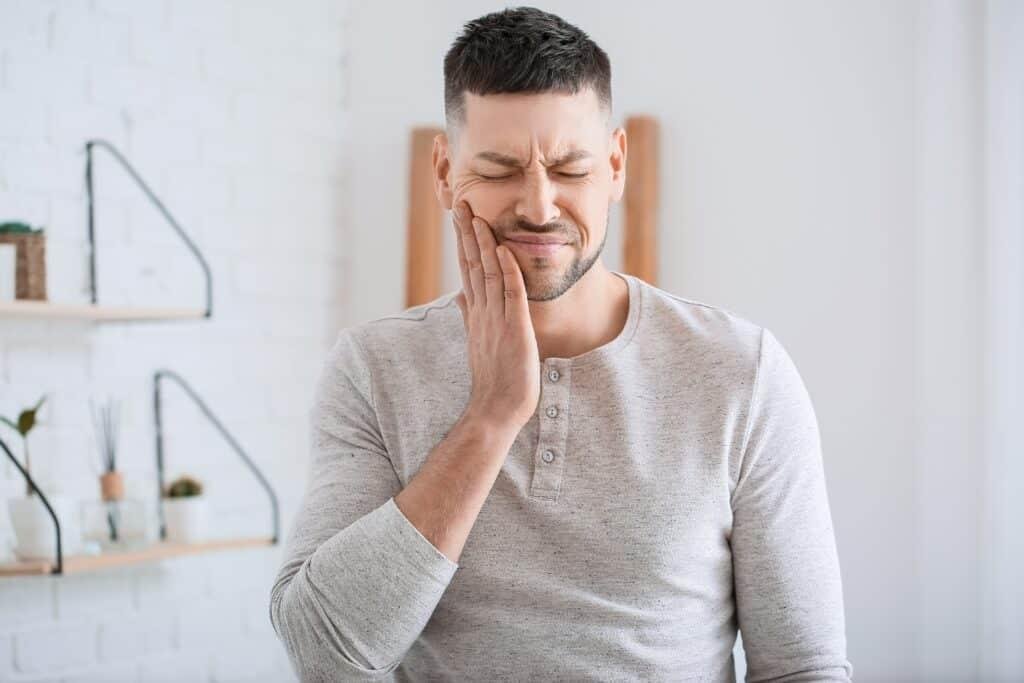
Malocclusion, commonly referred to as a bad bite, is often associated with aesthetic problems such as crooked teeth and unaligned smiles. From the viewpoint of Dr. Kami Hoss, a distinguished orthodontist while these aesthetic problems are evident, the implications of a bad bite go beyond aesthetics. It can lead to many health hazards and long-term issues that affect comfort in daily life and oral health. Having a clear insight into these risks describes why treatment of malocclusion should be done early.
- Jaw Pain and Discomfort
Chronic jaw pain is among the most common health risks associated with a bad bite. In the event the teeth and jaw are not aligned correctly, it causes added strain on TMJ (the joints connecting the jaw to the skull). Consequently, such misalignment can result in stiffness, extreme discomfort, or even pain in the adjoining areas including, the jaw, neck as well as shoulders. In due course, it may result in more serious oral and dental conditions like temporomandibular joint disorder, causing difficulty in chewing and pain while talking.
- Tooth Wear and Damage
When one’s bite is misaligned, some teeth endure greater strains than others, leading to irregular wear patterns. Areas of the teeth that are subjected to more pressure than others if they are not setting correctly against opposing teeth, thus causing erosion of the enamel and damage to the tooth. This irregular wear weakens the teeth, making them more susceptible to cavities, fractures, and even tooth loss. Teeth grinding (bruxism) is another disease linked with bad bites that also aggravates wear and tear.
- Difficulty Chewing/Speaking
Poor bite alignment can make it quite difficult for a person to chew food and can therefore affect not just nutrition, but digestion as well. Inappropriate contact between the teeth can impede biting or grinding food into small digestible pieces. Similarly, misalignment might also irritate the tongue, creating speech intervals like lisping or the inability to pronounce certain sounds well. Over time, these conditions can adversely impact an individual’s quality of life, affecting eating and speaking activities.
- Increased Risk of Gum Disease and Tooth Decay
One’s wrong bite may end up creating gaps or uneven spaces between teeth, which are difficult to clean and Increase the possibility of plaque buildup. This plague over time gets deposited into tartar, which can serve as a root cause of gum diseases like periodontitis and gingivitis alongside tooth decay. It can also lead to gum recession, tooth loss, and more severe oral and health disorders. According to Dr. Kami Hoss since untreated gum disease is associated with issues like heart attacks and diabetes, make sure to consult an orthodontist right away.
- Headaches and Migraines
Another long-term impact of a poor bite is that it can increase the risk of frequent headaches and migraines. Misalignment of teeth and jaws causes muscle tension in the head and neck, resulting in tension headaches. This condition can aggravate over time, especially if the bite remains untreated. Many who suffer from chronic migraines or tension headaches may not even realize that a bite problem is the root cause.
Last but not least, while malocclusion are windily preserved as purely cosmetic issues, people with ‘bad bite’ know how it can take a toll on self-esteem and mental health. For grown-up adults or teens with crooked or misaligned teeth often makes them feel awkward and shy to be social. In many cases, untreated bit problems can even impact the overall mental well-being and confidence of a person.