Carrying a concealed firearm is a significant responsibility that requires knowledge, practice, and the right equipment. For many gun owners, an inside waistband holster (IWB) is the preferred choice for concealed carry because it offers a balance of comfort, security, and concealability. However, new gun owners often make critical mistakes when adopting this method, which can lead to discomfort, printing (visible outline of the gun), or even safety hazards. This article explores nine common mistakes to avoid when carrying inside the waistband.
1. Choosing the Wrong Size Firearm for IWB Carry
One of the most common mistakes is selecting a gun that is too large or heavy for inside waistband carry. Full-size pistols can be difficult to conceal and uncomfortable to wear for extended periods. Instead, consider compact or subcompact models that balance stopping power with concealability.
2. Ignoring the Importance of a Quality Inside Waistband Holster
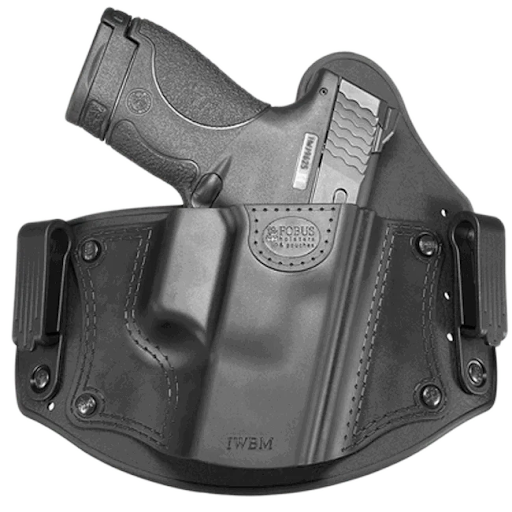
Not all holsters are created equal. Some beginners opt for the cheapest holster they can find, which often compromises retention, comfort, and safety. A quality inside waistband holster should have proper retention, a rigid shell (such as Kydex), and adjustable features like cant and ride height. Avoid universal holsters that lack these characteristics.
3. Wearing the Holster Without a Sturdy Gun Belt
A gun belt is designed to support the weight of your firearm and keep it secure. Using a regular belt often leads to sagging, shifting, and discomfort. A proper gun belt ensures that your inside waistband holster stays in place, which is essential for both safety and draw efficiency.
4. Neglecting to Adjust Ride Height and Cant
Most IWB holsters allow users to adjust the ride height (how high or low the holster sits) and cant (the angle of the gun). New gun owners often skip this step and stick with the factory settings, which can lead to awkward draws or discomfort. Experiment with different positions until you find the one that allows for a smooth draw and all-day comfort.
5. Carrying Without Adequate Trigger Guard Protection
A major safety concern is using a holster that does not fully cover the trigger guard. This increases the risk of accidental discharge during holstering or while carrying. Always choose a holster that completely covers the trigger area and prevents any foreign objects from entering.
6. Wearing Improper Clothing for Concealed Carry
Carrying inside the waistband requires consideration of your wardrobe. Tight-fitting shirts or low-rise pants can cause printing or make concealment difficult. Opt for slightly looser clothing and consider layering, which helps minimize the firearm’s outline.
7. Skipping Regular Practice and Dry Fire Drills
Some new gun owners assume that once they have a firearm and holster, they are ready to carry. In reality, carrying concealed requires regular training. Practice your draw stroke from your inside waistband holster using an unloaded firearm to build muscle memory. Additionally, visit the range to practice drawing and firing safely.
8. Carrying in an Unsafe Position
Positioning your holster incorrectly can create safety hazards. For example, appendix carry (AIWB) can be comfortable and fast, but it requires careful attention to trigger discipline during reholstering because of the proximity to vital areas. Similarly, small-of-the-back carry increases the risk of spinal injury if you fall. Start with the strong-side hip position (around the 3 to 4 o’clock position for right-handed shooters) before experimenting with others.
9. Failing to Test Concealment Before Leaving Home
A simple but often overlooked step is checking concealment before heading out. Move, sit, bend, and twist in front of a mirror to ensure your firearm is fully concealed. Printing not only defeats the purpose of concealed carry but can also cause legal issues in some jurisdictions.
Conclusion
Inside waistband carry can be an effective and discreet way to carry your firearm, but only when done safely and correctly. Avoiding these common mistakes will help ensure that your concealed carry experience is both comfortable and secure. Whether you choose a compact pistol, invest in a quality holster, or dedicate time to practice, every detail matters. For those who prefer an alternative method of carry, OWB gun holsters offer another viable option, particularly for open carry or range use.