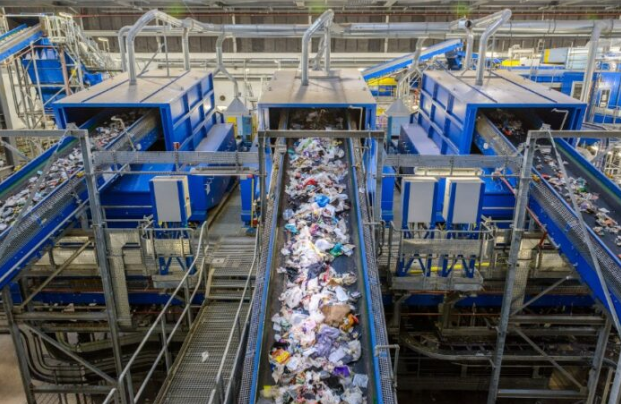
Efficient waste management is critical for businesses and municipalities striving to reduce environmental impact, comply with regulations, and optimise operational workflows. Waste management equipment plays a central role in achieving these goals, providing tools and machinery that streamline the collection, sorting, and processing of recyclable materials. By incorporating modern equipment into recycling operations, organisations can handle larger volumes of waste more efficiently, improve recycling rates, and reduce costs associated with manual labour and inefficient processes.
What Is Waste Management Equipment?
Waste management equipment encompasses a wide range of machines and tools designed to handle various stages of waste processing. From collection and transportation to sorting and disposal, these systems make recycling operations more efficient and sustainable. Common types of equipment include:
- Skip Bins and Recycling Containers – Used for segregating different types of recyclable materials.
- Compactors and Balers – Reduce the volume of recyclables for easier handling and transport.
- Sorting Systems – Automate the separation of plastics, metals, paper, and other materials.
- Conveyor Systems – Facilitate the movement of materials through recycling plants.
- Shredders and Crushers – Break down waste materials into manageable sizes for processing.
By utilising this equipment, businesses and recycling facilities can manage waste effectively, reduce operational downtime, and support sustainable practices.
Benefits of Using Waste Management Equipment
1. Increased Operational Efficiency
Automation and mechanisation reduce the reliance on manual labour, allowing facilities to process higher volumes of waste in less time. Equipment such as compactors, conveyors, and automated sorting systems ensures that materials move smoothly through the recycling workflow, minimising delays and increasing overall productivity.
2. Improved Recycling Rates
Proper waste management equipment allows for better separation and processing of recyclable materials. Efficient sorting systems ensure that materials like plastics, metals, and paper are accurately separated, which improves the quality of recycled output and reduces contamination rates.
3. Cost Savings
Investing in modern waste management machinery can significantly reduce operational costs. By minimising manual handling, reducing transportation frequency, and optimising storage capacity, organisations save on labour, fuel, and logistics expenses.
4. Enhanced Safety
Handling large volumes of waste manually can be hazardous, posing risks such as injuries from sharp objects, heavy lifting, or exposure to harmful substances. Equipment like balers, compactors, and automated sorting systems protects workers by reducing direct contact with waste materials, creating a safer workplace environment.
5. Environmental Responsibility
Using advanced recycling solutions supports sustainability initiatives by maximising the recovery of valuable materials and minimising landfill disposal. Efficient waste management equipment helps organisations meet environmental targets, reduce greenhouse gas emissions, and demonstrate commitment to corporate social responsibility.
Types of Recycling Equipment for Businesses
Businesses and municipalities have access to a variety of waste management tools depending on their operational needs:
- Skip Bin Recycling – Ideal for collection and transport of recyclable materials, available in multiple sizes to accommodate different waste volumes.
- Compactors and Balers – Reduce material volume and facilitate easy storage and shipping to recycling plants.
- Automated Sorting Systems – Use sensors and conveyor belts to separate materials quickly and accurately.
- Shredders and Crushers – Break down items like cardboard, plastics, and metals for recycling processes.
- Waste Transfer Stations – Centralise collection and initial sorting of recyclables from multiple locations.
Choosing the right combination of equipment ensures that recycling operations are efficient, cost-effective, and environmentally responsible.
How to Select the Right Waste Management Equipment
When selecting recycling equipment, consider these factors:
- Volume and Type of Waste – Ensure the equipment is suitable for the materials you handle and the quantity processed daily.
- Automation Level – Determine whether manual, semi-automated, or fully automated systems best fit your operation.
- Durability and Maintenance – Choose equipment built to last and easy to maintain, reducing downtime.
- Safety Features – Look for machinery that prioritises operator safety with protective systems and emergency stops.
- Supplier Support – Partner with reputable suppliers offering installation, training, and ongoing technical support.
Proper selection and implementation of waste management equipment maximises efficiency and ensures long-term operational success.
Conclusion
Waste management equipment is essential for modern recycling operations, offering increased efficiency, cost savings, and safety while supporting environmental sustainability. From skip bin recycling to automated sorting systems, these tools allow businesses and municipalities to process waste more effectively, reduce contamination, and maximise recyclable recovery. By investing in the right equipment and solutions, organisations not only improve operational workflows but also demonstrate their commitment to responsible waste management practices. For any operation aiming to enhance productivity, reduce costs, and contribute positively to the environment, modern waste management equipment is an indispensable investment.