Retail teams often notice the symptoms before they identify the cause. Customers do not linger as long. Staff keep adjusting the volume throughout the day. Announcements sound clear near the counter but fade toward the back. The music is technically playing, yet the space feels oddly flat.
Many businesses assume these issues require a full system overhaul. That assumption slows action. In reality, most in-store sound problems follow a pattern, and smart operators fix them quickly by focusing on the right pressure points.
The first step is recognising that poor audio rarely comes from a single failure. More often, it builds from small mismatches between equipment, layout, and daily usage. A store may have expanded floor space without adjusting coverage. Shelving and displays might block sound paths. Ceiling height changes between sections can also create uneven distribution.
Instead of rushing to increase volume, experienced teams start by assessing coverage consistency. If some areas feel loud while others feel distant, the system is working inefficiently. Turning the volume higher usually worsens the imbalance. What the space needs is more controlled sound placement.
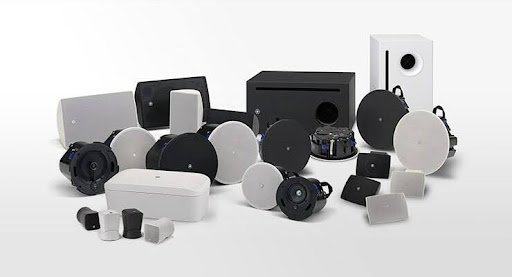
This is where many retailers begin evaluating commercial audio speakers designed specifically for distributed environments. Unlike generic units that push sound broadly, these systems allow more precise coverage planning. The goal is to create an even listening field so customers experience the same clarity whether they are near the entrance or deep inside the store.
Quick wins often come from repositioning before replacing. Speaker aiming, mounting height, and spacing dramatically influence results. In some cases, businesses discover their existing equipment performs acceptably once placement is corrected. However, when hardware limitations become obvious, upgrading becomes the more efficient path.
Another common friction point is system tuning. Stores frequently run default settings that were never adjusted after installation. Over time, background noise levels shift as layouts evolve and foot traffic patterns change. Without retuning, music can sound thin during quiet hours and muddy during busy periods.
Modern commercial audio speakers typically integrate more easily with digital signal processing tools that allow faster optimisation. With proper tuning, businesses can balance speech clarity and background music without constant manual intervention. This reduces the daily workload on store teams who would otherwise keep adjusting volume levels.
Speed also matters operationally. Retail environments cannot afford long downtime windows. Smart businesses therefore prioritise modular upgrades rather than full shutdown replacements. They phase improvements zone by zone, maintaining store operations while steadily improving sound performance.
There is also a behavioural dimension behind these upgrades. Research across retail environments continues to show that comfortable, balanced audio supports longer dwell time and smoother customer movement. Harsh or uneven sound, on the other hand, subtly pushes visitors to move through the space more quickly.
Because of this, more operators now treat commercial audio speakers as part of the broader in-store experience strategy rather than a background utility. Audio joins lighting, layout, and digital signage in shaping how the environment feels to shoppers.
Maintenance planning is the final piece that separates reactive fixes from lasting solutions. Systems that perform well at installation can drift if not periodically checked. Dust build-up, seasonal noise changes, and evolving store layouts all influence performance. Businesses that schedule light quarterly reviews typically avoid the slow decline that many stores accept as normal.
Looking forward, expectations inside physical retail spaces will likely keep rising. Customers are used to clean, controlled audio in personal devices, and that sensitivity carries into store environments. Businesses that respond early tend to protect both atmosphere and operational efficiency.
Fixing poor in-store sound does not always require dramatic intervention. With careful assessment, targeted upgrades, and the right use of commercial audio speakers, most retailers can transform the listening experience far faster than they initially expect.