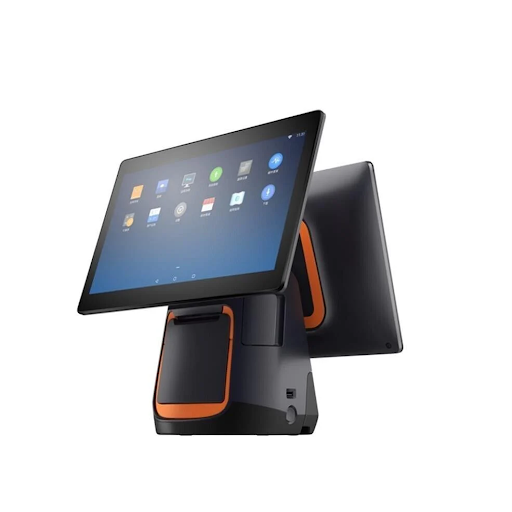
In the fast-paced restaurant industry, efficiency and accuracy are key factors in delivering exceptional customer service. A POS system plays a crucial role in streamlining operations, reducing human errors, and enhancing the overall dining experience. By integrating advanced features such as real-time order tracking, automated calculations, and seamless communication between front-of-house and kitchen staff, a POS system can significantly improve order accuracy and speed.
Enhancing Order Accuracy with a POS System
One of the primary challenges in the restaurant business is ensuring that every order is correct. A POS system minimises mistakes through the following methods:
Digital Order Entry
A POS system allows servers to enter customer orders digitally, reducing the chances of miscommunication that often occur with handwritten tickets. Orders are directly transmitted to the kitchen, eliminating the possibility of errors caused by illegible handwriting or verbal misunderstandings.
Customisation and Modifications
Restaurants frequently deal with special requests from customers, such as allergy considerations or dietary restrictions. A POS system ensures that modifications are clearly displayed on kitchen screens, preventing mistakes that could lead to dissatisfied customers or food waste.
Real-Time Order Verification
Many POS systems feature real-time order verification, allowing servers to review orders before submitting them. This step ensures that each order is complete and correct, reducing the likelihood of kitchen staff preparing incorrect dishes.
Improving Speed and Efficiency
Speed is essential in the restaurant industry, and a POS system helps accelerate the ordering and payment process, allowing businesses to serve more customers efficiently.
Faster Order Transmission
A POS system sends orders directly to the kitchen, reducing wait times. Instead of servers manually delivering orders to the kitchen, they can focus on providing excellent customer service, ensuring a smooth dining experience.
Table Management and Order Tracking
Modern POS systems offer table management features that help servers track open tables, pending orders, and meal progress. This visibility enhances efficiency by allowing staff to manage their workload more effectively and avoid unnecessary delays.
Efficient Payment Processing
The checkout process is another area where a POS system significantly improves speed. With integrated payment processing, customers can pay using credit cards, digital wallets, or contactless payment options, reducing wait times at the register. The system also ensures accurate calculations, reducing human error in billing.
The Role of POS Systems in Small Businesses
While large restaurant chains benefit from advanced POS systems, small businesses can also leverage these tools to compete effectively. A POS system tailored for small businesses helps manage inventory, track sales trends, and improve customer service without requiring a large investment. Features such as cloud-based access, mobile ordering, and automated reporting make POS systems an essential asset for independent restaurants looking to enhance efficiency.
Conclusion
A POS system is a game-changer for restaurants seeking to improve order accuracy and speed. By automating order processing, minimising human errors, and streamlining payment processing, restaurants can enhance customer satisfaction and operational efficiency. Whether running a large restaurant chain or a small business, investing in a reliable POS system is a smart move that ensures long-term success in the competitive food service industry.