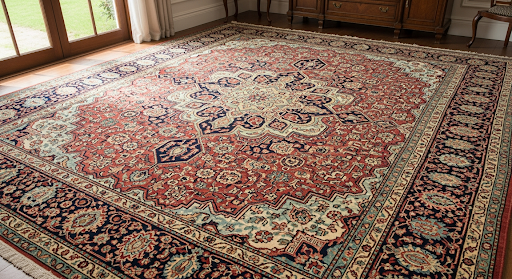
Rugs are more than decorative floor coverings. They anchor interior design, soften acoustics, and often carry emotional or cultural value, especially when it comes to a finely woven oriental carpet that has been selected or inherited with care. Over time, however, even the most beautiful rugs lose their vibrancy due to dust, foot traffic, spills, and improper maintenance. Professional deep cleaning plays a vital role in restoring appearance while safeguarding the delicate fibers that give rugs their character and longevity.
Understanding how professional cleaning works and why it matters helps homeowners make informed decisions that protect both aesthetics and investment.
Why Rugs Require More Than Surface Cleaning
Vacuuming is essential for routine upkeep, but it only addresses loose debris on the surface. Fine dust, grit, allergens, and oils gradually migrate deep into the rug pile, where they settle near the base of the fibers. These particles act like abrasive sand, wearing fibers down with every step.
Over time, this leads to:
- Dull and faded appearance.
- Stiff or matted texture.
- Weakened fibers are prone to breakage.
- Lingering odors and allergens.
Without periodic deep cleaning, rugs age faster, even when they appear visually acceptable at first glance.
How Professional Deep Cleaning Transforms Rugs
Professional rug cleaning is not simply a stronger version of DIY washing. It is a controlled, multi-stage process designed to clean thoroughly while preserving fiber integrity.
Key Transformational Effects
- Color revival by removing embedded grime that dulls natural dyes.
- Texture restoration, allowing fibers to stand upright again.
- Odor elimination rather than odor masking.
- Improved indoor air quality through allergen removal.
- Extended lifespan by reducing fiber abrasion.
The result is a rug that looks, feels, and performs closer to its original condition.
The Science Behind Fiber Protection
Different rugs are made from different fibers, wool, silk, cotton, or synthetics, each with unique sensitivities. Professional cleaners assess fiber type, dye stability, weave structure, and overall condition before selecting a cleaning method.
Critical factors professionals control include:
- PH balance to avoid weakening fibers or setting stains.
- Moisture levels are to prevent mold, shrinkage, or backing damage.
- Agitation strength to clean without fraying or distortion.
- Drying speed to protect the structure and prevent odor buildup.
This precision is what distinguishes professional care from trial-and-error home methods.
Professional Cleaning vs DIY Methods
When deciding how to clean rugs or carpets, many people compare professional services with do-it-yourself methods. While DIY cleaning may seem convenient and inexpensive at first, it often lacks the precision and care required for delicate fibers and deep-seated dirt. Professional cleaning focuses on long-term fabric health, controlled processes, and consistent results rather than quick surface improvement.
The table below highlights the key differences between DIY cleaning and professional deep cleaning, helping clarify why professional methods deliver safer and more durable outcomes.
| Aspect | DIY Cleaning | Professional Deep Cleaning |
| Cleaning depth | Surface-level | Deep fiber-level |
| Fiber safety | High risk of damage | Fiber-specific methods |
| Stain treatment | General solutions | Targeted, pre-tested |
| Moisture control | Often excessive | Precisely managed |
| Drying time | Slow, uneven | Fast and controlled |
| Long-term results | Short-lived | Long-lasting protection |
DIY approaches may appear cost-effective initially, but repeated improper cleaning often leads to irreversible damage that shortens a rug’s usable life.
Hidden Risks of Neglected or Improper Cleaning
When rugs are cleaned incorrectly, or not at all, problems develop beneath the surface.
Common Hidden Issues:
- Fiber breakdown caused by trapped grit.
- Permanent discoloration from untreated spills.
- Odor retention due to moisture and bacteria.
- Mold and allergen growth are impacting indoor health.
- Structural weakening at the backing or fringe areas.
These issues often become visible only when damage is advanced, making restoration more difficult and expensive.
The Professional Deep Cleaning Process Explained
While techniques vary depending on rug type, most professional deep cleaning follows a structured approach.
1. Pre-Inspection and Assessment
The rug is examined for fiber type, stains, dye stability, wear patterns, and prior damage. This step ensures the cleaning method is safe and effective.
2. Dust Removal
Dry dust extraction removes deeply embedded particles before moisture is introduced, preventing mud formation inside the fibers.
3. Targeted Stain Treatment
Specific stains are pre-treated using solutions compatible with the rug’s fibers and dyes.
4. Controlled Deep Cleaning
Methods such as low-moisture washing or steam-based extraction are applied with precise temperature and pressure control.
5. Drying and Grooming
Rugs are dried evenly and groomed to realign fibers, restoring softness and visual uniformity.
Benefits of Regular Professional Deep Cleaning
Scheduling professional cleaning at appropriate intervals offers both immediate and long-term advantages.
Key Benefits:
- Preserves original color and texture.
- Reduces wear in high-traffic areas.
- Improves hygiene and indoor air quality.
- Prevents costly repairs or early replacement.
- Maintains resale and aesthetic value.
For most households, professional cleaning every 6–12 months strikes the right balance between cleanliness and fiber preservation.
Simple Care Tips Between Professional Cleanings
While professionals handle deep maintenance, everyday habits can significantly extend results.
- Vacuum regularly using appropriate settings.
- Blot spills immediately; never rub.
- Rotate rugs to balance wear patterns.
- Use pads to reduce friction and pressure.
- Avoid excessive sunlight exposure.
These small steps help keep fibers resilient between cleanings.
Why Expertise Matters More Than Equipment
Advanced machines alone do not guarantee safe or effective results. While modern equipment plays an important role, true cleaning quality depends on the expertise behind its use. Skilled professionals understand how to adjust pressure, temperature, and moisture levels based on the rug’s material, age, and construction. They know how to mix cleaning solutions correctly so that stains are lifted without weakening fibers or causing color bleeding.
Equally important is a deep understanding of textile behavior, dye chemistry, and moisture movement within the rug structure. This knowledge helps prevent common problems such as shrinkage, fiber distortion, stiffness, or uneven drying. Experienced technicians can also recognize early signs of damage and adapt their approach before issues worsen.
Ultimately, professional cleaning is as much about informed judgment and careful decision-making as it is about technology. Equipment provides the tools, but expertise ensures those tools are used safely, effectively, and with long-term fiber protection in mind.
Conclusion
Professional deep cleaning does far more than improve the appearance of rugs. It removes abrasive contaminants, stabilizes fibers, restores texture, and protects structural integrity. When performed correctly, it slows aging, prevents hidden damage, and preserves both beauty and functionality. This level of care is especially important for valuable and delicate rugs, where mistakes can be irreversible. Choosing qualified specialists ensures that cleaning enhances rather than compromises longevity, something consistently achieved through well-executed oriental rug cleaning services in Dubai.
For homeowners seeking careful handling of antique or hand-woven rugs, services such as Moonlight Carpet Washing reflect an approach focused on fiber awareness, controlled cleaning, and restoration-minded techniques. Such practices highlight how thoughtful professional care supports long-term rug preservation without aggressive or one-size-fits-all methods.