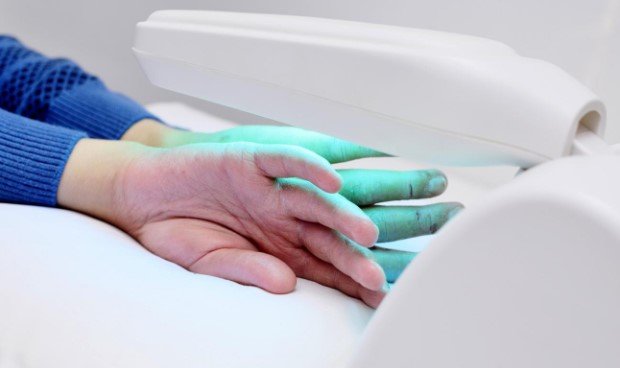
Managing eczema effectively often requires exploring advanced therapies beyond topical creams and lifestyle adjustments. One promising approach is light treatment for eczema, which has gained recognition for its ability to reduce skin inflammation and improve overall skin health. This therapy uses specific wavelengths of light to target affected areas, promoting healing, minimizing flare-ups, and providing long-term relief for patients with chronic eczema conditions. Understanding the mechanisms and benefits of this treatment helps patients make informed decisions about incorporating it into their skincare routine.
How Light Therapy Works
Light treatment for eczema utilizes ultraviolet (UV) light, often in controlled doses, to calm immune responses that cause inflammation. The therapy penetrates the skin, slowing the overactive immune cells responsible for redness, itching, and irritation. By targeting these cells, light therapy reduces the severity of flare-ups and provides patients with relief from persistent symptoms. Dermatologists customize the duration and intensity of light exposure to ensure effectiveness while minimizing potential side effects.
Benefits of Light Treatment
One of the primary advantages of light treatment for eczema is its ability to treat widespread or stubborn areas that are resistant to conventional therapies. Unlike topical creams that may only offer temporary relief, light therapy works beneath the surface to address the root causes of inflammation. Patients often notice a significant decrease in itching, redness, and discomfort after several sessions. Furthermore, this therapy can reduce the frequency of flare-ups, contributing to improved quality of life for individuals living with eczema.
Types of Light Therapy
There are several types of light treatment for eczema, each tailored to specific needs:
- Narrowband UVB Therapy: This method uses a narrow spectrum of ultraviolet B light to treat moderate to severe eczema. It is widely regarded as safe and effective for long-term management.
- PUVA Therapy: Combining psoralen, a light-sensitizing medication, with UVA light, PUVA therapy targets deeper layers of the skin and is typically reserved for more severe cases.
- Excimer Laser Therapy: This targeted therapy focuses light on specific affected areas, reducing overall exposure while delivering precise treatment to stubborn patches.
Safety and Precautions
While light treatment for eczema is effective, safety is essential. Overexposure to UV light can increase the risk of skin damage or premature aging. Treatment plans are customized by dermatologists to minimize risks, and protective measures such as eye shielding are mandatory during sessions. Patients should also avoid tanning beds or additional UV exposure while undergoing therapy. Consulting a qualified dermatologist ensures that light therapy is applied safely and effectively, tailored to the patient’s skin type and condition severity.
Complementary Approaches
To maximize results, light treatment for eczema is often combined with moisturizers, gentle skincare routines, and avoidance of known irritants. Maintaining hydration, using hypoallergenic products, and following prescribed treatment schedules enhance the effectiveness of light therapy. In some cases, dermatologists may integrate light therapy alongside other interventions, including prescription medications or systemic treatments, to provide comprehensive care.
Conclusion
Light treatment for eczema provides a scientifically backed method for reducing inflammation, minimizing flare-ups, and improving skin health for individuals with chronic conditions. By targeting immune responses at the source, this therapy offers relief for patients who have struggled with conventional treatments alone. When applied safely and combined with proper skincare routines, it can significantly enhance the quality of life and long-term skin resilience. For individuals exploring advanced dermatological care, combining therapies for eczema management may also support broader skin improvement, including acne scars treatment, ensuring healthier, more comfortable skin over time. Additionally, ongoing follow-ups with a dermatologist can help monitor progress and adjust treatments for maximum effectiveness. Staying consistent with recommended sessions and at-home care further optimizes the benefits of light therapy.