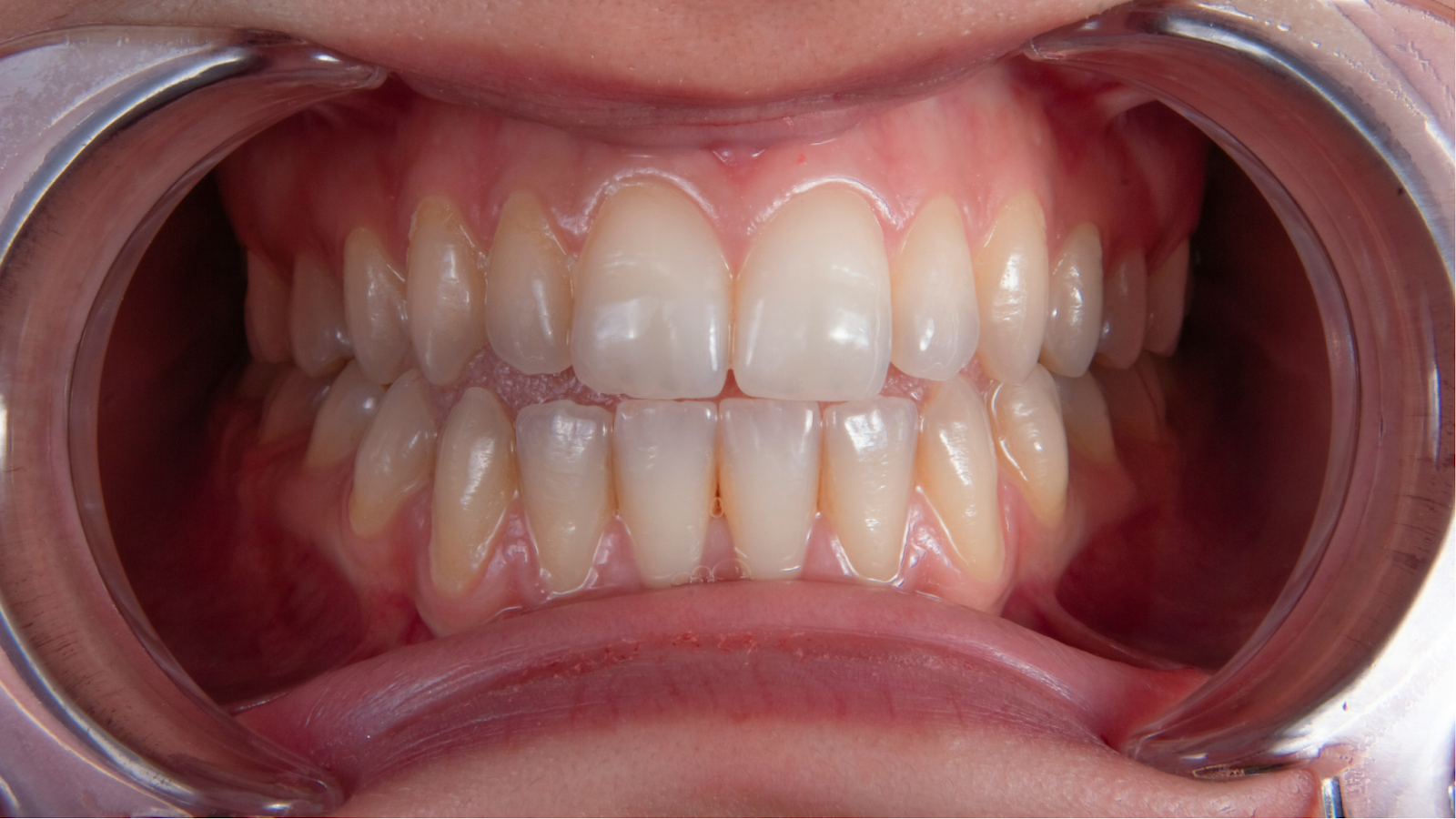
A bright, healthy smile is a universal asset, but for many, tooth alignment poses challenges beyond aesthetics. Crooked, crowded, or overlapping teeth aren’t just a cosmetic concern; they can significantly impact oral health, raising a critical question: Does misalignment of teeth directly cause tooth decay? While misalignment isn’t the sole cause of cavities (poor oral hygiene and diet remain primary culprits), it undeniably creates an environment where decay is far more likely to flourish. It’s less about direct causation and more about dramatically increasing the risk factors.
Think of your teeth as soldiers in a line. When they stand straight and properly spaced (ideal alignment), they are easier to clean and defend. Brushing and flossing can effectively remove plaque – the sticky film of bacteria that feeds on sugars and produces acid, eroding enamel. Now, imagine those soldiers jumbled together, overlapping, or twisted. This misalignment creates hidden nooks, crannies, and tight contact points that are incredibly difficult, sometimes impossible, to reach with standard brushing and flossing techniques.
This is where the decay risk skyrockets
Plaque Traps
Overlapping teeth create sheltered areas where plaque accumulates undisturbed. Crowded teeth often have tight contact points where floss shreds or simply cannot penetrate, leaving plaque biofilm intact between teeth. Rotated teeth have grooves and surfaces facing unusual angles, making them harder to brush effectively.
Ineffective Cleaning
No matter how diligent your brushing, a standard toothbrush bristle cannot adequately clean the concave surfaces behind severely rotated teeth or the tight crevices between crowded teeth. Flossing becomes a frustrating battle against shredding or an inability to slide the floss down properly.
Increased Plaque Buildup
Areas that are hard to clean naturally accumulate more plaque. More plaque means more acid production, accelerating the demineralization of enamel and leading to cavities, often starting in these hidden zones. You might be brushing diligently yet still developing cavities in these inaccessible areas.
Gum Problems
Misalignment often makes gums more vulnerable. Crowded teeth can cause gum tissue to become stretched thin or create pockets where bacteria gather, leading to inflammation (gingivitis) and potentially periodontitis. Inflamed gums bleed more easily, further complicating cleaning and creating entry points for bacteria near the tooth root.
Factors Contributing to Misalignment
Misalignment (malocclusion) can arise from various sources:
Genetics
Jaw size and tooth size discrepancies are often inherited.
Early Habits
Prolonged thumb sucking, pacifier use, or tongue thrusting beyond infancy.
Premature Tooth Loss
Losing baby teeth too early can cause adjacent teeth to drift, blocking space for permanent teeth.
Trauma
Injuries to the jaw or teeth.
Other Factors
Conditions like cleft lip/palate or certain tumors.
The good news is that the heightened decay risk from misalignment can be managed and minimized:
Superior Oral Hygiene
This is non-negotiable. Electric toothbrushes can sometimes be more effective than manual ones at navigating tricky angles. Interdental brushes are crucial for cleaning between crowded teeth where floss fails. Water flossers can also be highly effective at flushing out debris from tight spaces and below the gumline.
Professional Cleanings
Regular dental cleanings (every 6 months, or more often as recommended) are essential. Hygienists have specialized tools (like ultrasonic scalers and fine hand instruments) to remove plaque and tartar from areas impossible to reach at home.
Fluoride
Using fluoride toothpaste and potentially dentist-applied fluoride treatments strengthens enamel against acid attacks.
Orthodontic Treatment
This is the most definitive solution. Braces or clear aligners gradually move teeth into proper alignment, eliminating the plaque traps and making effective home care achievable. Straight teeth are simply healthier teeth in the long run.
Protective Appliances
For individuals with grinding habits (bruxism) which can worsen misalignment issues and stress teeth, a custom mouth guard fabricated by a dentist is vital to protect enamel from excessive wear. Following orthodontic treatment, wearing a custom retainer for teeth as prescribed is critical to prevent teeth from shifting back into misaligned positions, preserving both the aesthetic result and the health benefits of alignment.
Conclusion
Misaligned teeth don’t directly cause decay but create plaque traps that breed cavities. Poor cleaning access increases decay and gum disease risks. Combat this with meticulous oral care, professional cleanings, and orthodontic treatment if needed. A custom retainer for teeth post-braces or a custom mouth guard for bruxism helps maintain results. Straightening teeth isn’t just cosmetic—it’s a long-term health investment.