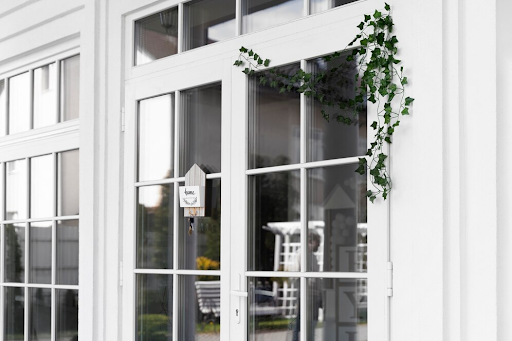
Patio doors are an essential element of any home, serving as both functional openings to outdoor spaces and significant features that enhance a property’s aesthetics. Whether you’re renovating your home or constructing a new one, choosing the right patio door material can be a daunting task. With various materials available, each offering unique benefits and drawbacks, it’s crucial to understand the options before making an informed decision. In this blog, we will explore the most popular patio door materials, providing insights from leading patio door suppliers to help you make the best choice for your home.
1. Vinyl Patio Doors
Vinyl patio doors are a popular choice among homeowners due to their affordability, energy efficiency, and low maintenance requirements. As one of the most common materials offered by patio door suppliers, vinyl is durable and resistant to weather elements, such as rain, snow, and intense sun. Unlike wood, vinyl does not warp, rot, or require frequent repainting. Additionally, vinyl doors are often insulated, which helps to improve a home’s energy efficiency by reducing heat transfer.
However, vinyl patio doors do have some limitations. They may not offer the same aesthetic appeal as wood or aluminum doors, and the color selection can be somewhat limited. Although vinyl doors are available in various styles, their frames tend to be bulkier, which may not suit every homeowner’s preference for sleek and modern designs.
2. Wood Patio Doors
Wooden patio doors exude warmth and elegance, making them an excellent choice for homeowners looking to add a touch of sophistication to their homes. Wood offers natural beauty, with various species such as oak, cherry, and mahogany available to match different interior styles. Leading patio door suppliers often provide wood doors with custom finishes, allowing homeowners to choose the stain or paint that best complements their home’s aesthetic.
In terms of performance, wood offers good insulation, keeping your home warm in the winter and cool in the summer. However, wood patio doors require more maintenance than vinyl or aluminum options. They must be regularly sealed, painted, or stained to protect against moisture and prevent warping or rotting. Additionally, wood doors can be more expensive compared to vinyl or aluminum, making them a more costly option for homeowners on a budget.
3. Aluminum Patio Doors
Aluminum patio doors are known for their sleek and modern appearance, making them a popular choice for contemporary homes. These doors are extremely strong and durable, offering excellent security and resistance to wear and tear. Aluminum patio doors are also resistant to corrosion, particularly when treated with protective coatings, and are ideal for homes located in coastal or humid environments where saltwater and moisture can cause damage to other materials.
While aluminum patio doors are highly durable, they have lower insulation properties compared to wood or vinyl doors. This means that aluminum doors may not be as energy-efficient unless they are fitted with a thermal break—a layer of material that reduces heat transfer. Furthermore, aluminum doors can be prone to condensation, especially in colder climates, which may lead to moisture buildup around the door frame.
4. Fiberglass Patio Doors
Fiberglass patio doors are gaining popularity among homeowners due to their versatility, durability, and energy efficiency. These doors can be molded into a variety of designs, and their frames are often thinner than those of vinyl or wood doors, offering a more modern, sleek look. Fiberglass is also highly resistant to weather, including extreme temperatures, moisture, and UV rays, which means it won’t warp, crack, or swell over time.
In terms of energy efficiency, fiberglass is an excellent material that offers high insulation properties, helping to keep energy costs down. While fiberglass patio doors are generally more expensive than vinyl options, they often provide better long-term value due to their durability and low maintenance requirements.
5. Composite Patio Doors
Composite patio doors combine the best features of wood and synthetic materials, offering strength, durability, and energy efficiency. Composite frames are typically made from a mixture of wood fibers and synthetic resins, providing the look and feel of wood without the maintenance requirements. These doors are resistant to rotting, warping, and cracking, making them a durable and low-maintenance option.
One of the main benefits of composite patio doors is their excellent insulation properties, which can help improve your home’s energy efficiency. However, composite doors can be more expensive than vinyl or aluminum alternatives, and their aesthetic appeal may not suit every homeowner’s taste.
Conclusion
When selecting the ideal patio door material for your home, it’s essential to weigh factors such as durability, energy efficiency, maintenance, and cost. Leading patio door suppliers offer a range of materials, each with unique advantages and considerations. Vinyl doors are an affordable and low-maintenance choice, while wood doors offer timeless beauty but require more upkeep. Aluminum doors are strong and modern but may not provide the best insulation. Fiberglass and composite doors combine durability and energy efficiency, making them excellent options for homeowners seeking a balance between performance and aesthetics. Ultimately, the best patio door material for your home will depend on your specific needs and preferences. Whether you’re looking for a cost-effective solution or a high-end design, understanding the various materials available will help you make an informed decision. Additionally, if you are considering larger projects like multiple door installations or replacements, working with wholesale window suppliers could offer significant savings and access to a wider range of quality products at competitive prices.