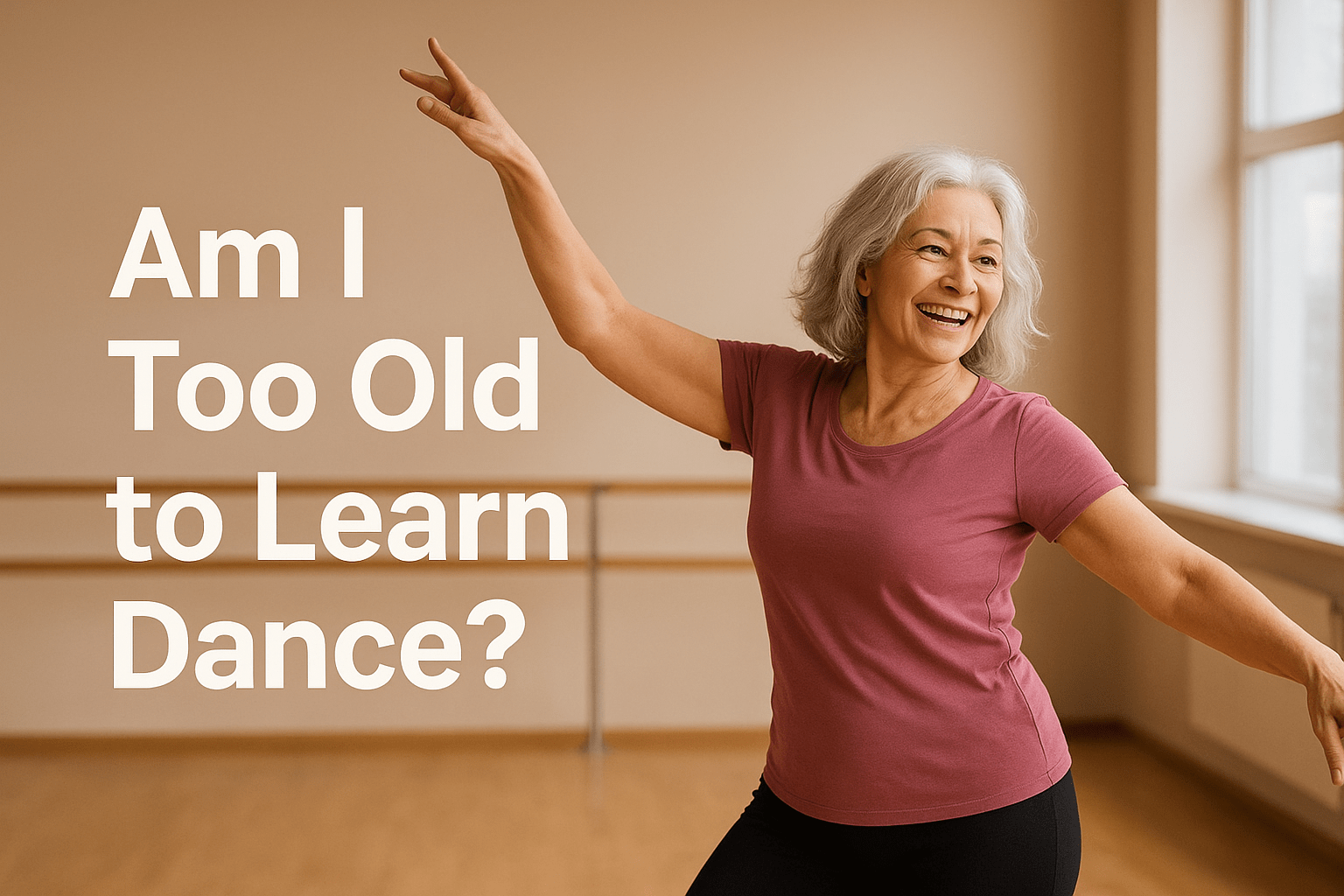
For many people, the thought of stepping onto a dance floor later in life can feel intimidating. Concerns about age, fitness level, or flexibility often hold them back. However, the truth is that dance is an art form and a physical activity that welcomes all ages. Whether you’re in your 20s, 40s, or well into your 60s, learning to dance offers physical, mental, and emotional benefits that are worth exploring. So, are you ever too old to learn dance? The short answer is no — and here’s why.
Age is Just a Number in Dance
The idea that only children or young adults can master dance skills is outdated. While professional dancers often start young due to the physical demands of competitive performance, recreational dance has no age limit. In fact, many people start their first dance class for beginner adults in their middle age or even after retirement. Dance instructors often adapt lessons to suit different ability levels, ensuring that everyone can progress at a comfortable pace.
Physical Benefits at Any Age
Dancing is more than a creative outlet — it’s a form of low- to moderate-impact exercise that can improve cardiovascular health, muscle tone, and coordination. Unlike repetitive gym workouts, dance engages multiple muscle groups while stimulating balance and agility.
For older adults, this can be particularly beneficial. Dance can help improve posture, reduce the risk of falls, and keep joints flexible. Movements can be modified to accommodate injuries, arthritis, or limited mobility, making it accessible to those who might not be able to participate in high-intensity exercise.
Mental and Emotional Boost
Learning choreography challenges the brain, improving memory and concentration. This mental stimulation is linked to better cognitive health in older adults, potentially lowering the risk of age-related decline.
On an emotional level, dancing can lift your mood. Music, movement, and social interaction release endorphins, reduce stress, and help combat feelings of loneliness. For many, joining a dance class for beginner adults is as much about building connections as it is about learning steps.
Overcoming Common Fears
It’s natural to feel nervous about trying something new, especially in a group setting. Common worries include not being flexible enough, feeling out of place among younger dancers, or making mistakes in front of others. These concerns often fade after the first class, as most beginner groups are full of people in similar situations — individuals looking for a fun, non-judgmental environment to learn.
Instructors in beginner-level classes focus on creating a supportive atmosphere. Mistakes are expected and even celebrated as part of the learning process. The key is to approach each class with patience and a willingness to enjoy the journey rather than aiming for perfection from day one.
Choosing the Right Style and Class
One of the best ways to set yourself up for success is to choose a dance style that suits your personality and physical comfort. Ballroom, Latin, jazz, tap, swing, or even hip-hop — there’s something for everyone. Some styles emphasize fluid, slow movements, while others are more upbeat and high-energy.
Look for a dance class for beginner adults that specifically welcomes new learners and encourages participants of all ages. Trial classes are a great way to see if the pace and style fit your needs before committing to a full session.
Adapting Your Learning Process
As an adult learner, you may approach dance differently than a child would. Adults often prefer understanding the logic behind movements, such as body mechanics and rhythm patterns, before repeating them. This can actually be an advantage, as mindful learning can lead to better form and fewer injuries.
It’s also important to give yourself permission to progress at your own pace. Some days your balance might be off, or your muscles might feel sore — and that’s okay. Consistency, not speed, is what matters most in building skills and confidence.
The Social Side of Dance
Joining a class can introduce you to a community of like-minded individuals. Many people find lasting friendships, workout partners, or even travel companions through dance groups. Social dances and events outside the studio offer opportunities to practice in a relaxed setting while meeting new people.
For adults seeking both fitness and friendship, dance is a unique blend of exercise and social connection that’s hard to replicate in other activities.
Final Thoughts
You are never too old to learn something new — especially something as joyful and rewarding as dance. With the right class, a supportive instructor, and an open mindset, you can enjoy the physical, mental, and emotional benefits of movement at any age. Dance doesn’t demand perfection; it simply asks for participation.
So, if the idea of moving to music excites you, take that first step. Sign up, show up, and see where the rhythm takes you.
For more information visit us : leadersmagazine.org