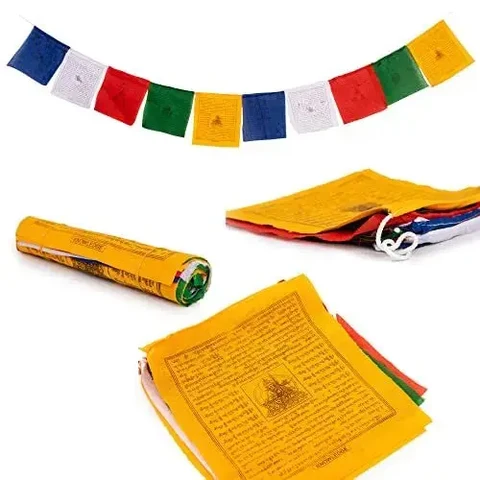
Across the Himalayan landscape, colourful prayer flags can often be seen stretched between rooftops, mountain paths, monasteries, and open spaces. Their movement in the wind is closely associated with Buddhist traditions and the sharing of prayers, compassion, and positive intentions. For people interested in spiritual décor and traditional handmade products, authentic tibetan prayer flags offer a meaningful connection to a cultural practice that has been preserved across generations.
Beyond their vibrant appearance, prayer flags carry symbolic meanings through their colours, designs, and printed mantras. Understanding these elements helps buyers appreciate why they are more than ordinary decorative fabric.
The Cultural Meaning of Tibetan Prayer Flags
Tibetan prayer flags are traditionally associated with Buddhist spiritual practices. They are often displayed outdoors, where the wind moves the fabric and symbolically carries the prayers and blessings represented on the flags into the surrounding environment.
Many traditional designs include sacred mantras, auspicious symbols, and images associated with Buddhist teachings. These elements express values such as compassion, peace, wisdom, strength, and harmony.
Prayer flags are commonly arranged in a sequence of five colours. Each colour represents one of the five elements in traditional symbolism:
- Blue represents space or sky.
- White represents air or wind.
- Red represents fire.
- Green represents water.
- Yellow represents earth.
Together, the colours symbolise the relationship between natural elements and the idea of balance.
Why Authenticity Matters
The appearance of a prayer flag is only one part of its significance. The printing methods, symbols, materials, and cultural context contribute to its identity.
Buyers searching for authentic tibetan prayer flags should pay attention to the design and manufacturing details. Traditional prayer flags may feature mantras, sacred imagery, and symbolic arrangements printed using established techniques.
Some artisans use hand-carved wooden blocks to transfer designs onto fabric. This process requires careful alignment and skilled handling. Small variations in the printing can be part of the handmade character rather than a manufacturing defect.
Material selection also matters. Cotton and polyester are used in different prayer flag products, with each material offering particular characteristics. Buyers should check the product description to understand whether the flags are intended primarily for indoor decoration or outdoor display.
Understanding the Five Colours
The five colours of Tibetan prayer flags are widely recognised, but their meaning is often simplified in modern decorative contexts. Understanding their traditional symbolism provides a deeper appreciation of the design.
Blue is associated with the vastness of the sky and space. White represents air and the movement of wind. Red is connected with fire, energy, and vitality. Green represents water and balance, while yellow symbolises the earth and stability.
When arranged together, these colours express harmony among the elements. Their sequence is not merely an aesthetic choice; it reflects a traditional symbolic framework.
For people displaying prayer flags in homes, meditation rooms, gardens, or yoga spaces, learning about the colours can make the experience more meaningful.
Different Types of Prayer Flags
Prayer flags are available in several formats to suit different environments and display preferences.
Horizontal prayer flag strings consist of multiple small flags connected along a cord. They are commonly displayed across balconies, gardens, courtyards, and open spaces.
Vertical prayer flags, sometimes referred to as Dharchok-style displays, are designed to hang vertically. They can be suitable for spaces where horizontal arrangements are not practical.
Windhorse designs feature the symbolic horse associated with the carrying of prayers and good fortune. These are among the recognisable traditional prayer flag motifs.
Deity-themed flags may feature imagery connected with particular Buddhist figures, such as Green Tara, Guru Rinpoche, or Medicine Buddha. Buyers should understand the meaning of a chosen design and treat sacred imagery respectfully.
Blank prayer flags offer a different option for personal creative projects. They may be used for writing intentions or community activities, depending on the product and its intended purpose.
Prayer Flags for Homes and Meditation Spaces
Many people display prayer flags in spaces where they want to create an atmosphere of reflection and calm. A balcony, garden, meditation corner, or yoga room can provide a suitable setting.
When choosing a location, consider the way the flags will be displayed. Outdoor arrangements should allow enough room for movement and avoid unnecessary tension on the cord. Indoor displays can be arranged as decorative accents while keeping the symbolism in mind.
It is also important to consider weather conditions. Fabric intended for outdoor use may still experience fading and wear over time. Periodic inspection can help determine when a set needs to be replaced.
Wholesale Opportunities for Retailers
Prayer flags are an established category for shops that specialise in meditation accessories, spiritual products, handmade décor, and cultural gifts.
Retailers exploring wholesale chakra prayer flags should evaluate more than colour combinations. Important considerations include printing clarity, material quality, flag dimensions, number of pieces per set, string construction, packaging, and order consistency.
A product range can include different sizes, horizontal and vertical formats, traditional windhorse designs, and chakra-inspired products. Offering variety allows customers to choose items that suit their space and preferences.
Retailers should also provide accurate product descriptions. Explaining the five colours and the purpose of the design helps customers understand what they are purchasing.
For wholesale buyers, it is useful to request samples, confirm stock availability, discuss order quantities, and plan shipping schedules. Clear communication with the supplier helps avoid surprises when preparing inventory.
Cultural Craftsmanship from the Himalayas
The production of traditional Himalayan goods reflects a combination of cultural knowledge, practical skills, and artisan experience. The phrase cultural craftsmanship from the Himalayas represents more than a visual style; it points to the people, techniques, and traditions that give these products their character.
Hand-printed prayer flags are one example of how traditional methods continue to be used in products that reach international customers. Each stage, from preparing the fabric to printing and assembling the flags, contributes to the finished product.
Respectful sourcing also matters. Buyers can ask suppliers about where products are made, who creates them, and what manufacturing practices are followed. This encourages a stronger understanding of the communities behind the products.
The Bottom Line
Himalayan Bazaar offers a collection of prayer flags described as handmade in Nepal, including windhorse designs, vertical formats, deity-themed flags, and multicolour sets. Its product information highlights hand-printing methods and materials such as cotton and polyester.
The collection is intended for customers interested in traditional Himalayan products, spiritual décor, and wholesale sourcing. Buyers can explore the available designs and check the product details before selecting a suitable option.
For retailers and individuals, the value of prayer flags lies in the combination of symbolism, colour, and cultural meaning. Choosing authentic tibetan prayer flags requires attention to design, material, and origin. Businesses seeking wholesale chakra prayer flags can build a more meaningful product range by understanding the traditions behind each design and presenting them respectfully.
These flags remind us that handmade objects can carry stories beyond their physical form. Through colour, movement, and traditional printing, they offer a small but meaningful connection to the cultural heritage of the Himalayas.