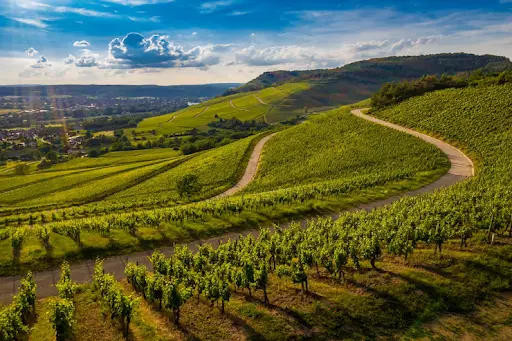
Few destinations in the world capture the imagination of wine lovers quite like Napa Valley. Nestled in the rolling hills of Northern California, this legendary wine region has earned its place on every wine enthusiast’s bucket list. But with more than 400 wineries spread across a 30-mile corridor, knowing where to start — and how to make the most of your visit — can feel overwhelming.
This guide breaks down everything you need to know about visiting Napa Valley’s wineries, from the iconic estates to the hidden gems, and the best ways to experience them.
The Legacy of Napa Valley Wine
Napa Valley’s wine story begins in the 1860s, but it was the now-famous 1976 Paris Tasting — where California wines blind-tasted against top French bottles and won — that truly put the valley on the global map. Since then, Napa has become synonymous with world-class Cabernet Sauvignon, and its wines consistently command some of the highest prices in the United States.
Today, Napa is as much about the experience as it is about the wine. Breathtaking architecture, art installations, farm-to-table restaurants, and luxury accommodations have made the valley a full-scale destination.
Must-Visit Wineries in Napa Valley
Robert Mondavi Winery (Oakville) — A landmark estate and one of the most influential in American wine history. The winery offers excellent educational tours and consistently outstanding Cabernets.
Stag’s Leap Wine Cellars (Napa) — Made famous by the 1976 Paris Tasting, this historic estate is a pilgrimage site for wine history buffs. Their Cask 23 Cabernet is a must-try.
Beringer Vineyards (St. Helena) — The oldest continuously operating winery in Napa Valley (founded 1876), with stunning Victorian architecture and approachable wines across all price points.
Darioush (Napa) — One of the valley’s most architecturally striking estates, inspired by the ancient ruins of Persepolis. Their Signature Cabernet is exceptional.
Domaine Carneros (Napa/Sonoma border) — A French-inspired château specializing in sparkling wines and Pinot Noir, perfect for those who love bubbles.
Exploring Napa Valley Wineries
The best way to explore Napa Valley wineries is to focus on one sub-region per day rather than trying to cover the entire valley at once. Napa is divided into distinct AVAs (American Viticultural Areas), each with its own personality and wine style. Oakville and Rutherford are known for powerful, age-worthy Cabernets. The Carneros region at the southern end of the valley is cooler and ideal for Chardonnay and Pinot Noir. Calistoga in the north produces rich, full-bodied reds.
Booking tastings in advance is not just recommended — it’s essential. Many of the valley’s most sought-after estates only take reservations and fill up weeks ahead, particularly on weekends and during harvest season.
Getting Around
Napa Valley’s main artery is Highway 29, which runs north-south through the heart of the valley and connects most major towns and wineries. The Silverado Trail, running parallel on the eastern side, offers a quieter, more scenic drive past boutique producers.
Consider hiring a private car and driver for the day — rates are reasonable when split among a group, and you’ll be free to taste as much as you like without worrying about getting behind the wheel.
Beyond the Tasting Room
Wine tasting is just the beginning. Napa Valley also offers hot air balloon rides over the vineyards at sunrise, world-class dining in Yountville (dubbed the culinary capital of Napa Valley), spa retreats in Calistoga, and farmers’ markets brimming with seasonal produce.
Practical Tips
- Best time to visit: May–June for spring beauty; September–October for harvest energy; January–February for quiet and uncrowded tasting rooms.
- Budget: Tasting fees typically range from $30–$100+ per person; allocate your budget for quality experiences at two or three wineries rather than rushing through six.
- Dress code: Smart casual is appropriate for most estates; some higher-end experiences prefer business casual.
Start Planning Today
Napa Valley’s combination of exceptional wine, stunning scenery, and world-class hospitality makes it one of the most rewarding travel experiences in North America. Whether this is your first visit or your fifteenth, there is always something new to discover among its storied vines.