Modern interior design isn’t always about making a room stand out. Sometimes the most successful spaces are those where materials work together quietly, creating warmth and depth without overwhelming the architecture.
Abaca Rugs are particularly effective in this role.
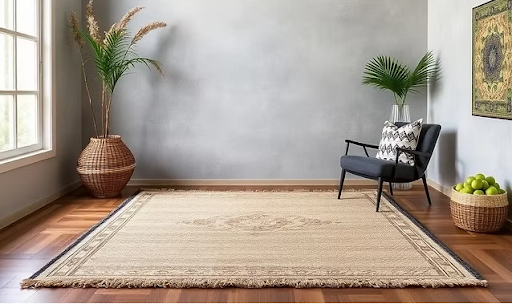
Abaca is a strong natural fibre with a distinctive woven appearance. It brings subtle texture and organic character into homes and workplaces while remaining versatile enough to complement both contemporary and traditional interiors.
What Is Abaca?
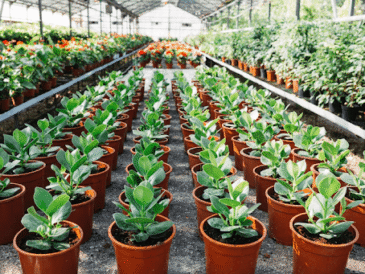
Abaca comes from the leaf stalks of Musa textilis, a plant related to the banana family.
The fibre has historically been used for ropes, textiles and marine applications because of its strength.
Today, it is increasingly used in interior products, including rugs and decorative floorcoverings.
Why Texture Matters
Texture can be difficult to create in minimalist interiors.
A room dominated by smooth surfaces may feel visually flat even when the furniture is attractive.
An abaca rug introduces a contrasting tactile element.
Its woven structure creates small variations in light and shadow, adding depth without relying on bright colours or complicated patterns.
Abaca in Dining Rooms
Dining rooms are particularly suitable for natural woven rugs.
An abaca rug can define the dining area and create a visual connection between the table, chairs and surrounding furniture.
The rug must be correctly sized so chairs remain supported when pulled away from the table.
This is another situation where Custom Rugs can be particularly useful.
Abaca in Living Rooms
Living rooms benefit from flooring that connects furniture.
An abaca rug beneath the main seating arrangement can create a clear visual zone.
Its natural colour palette works well with timber, leather, linen and neutral upholstery.
Abaca Compared with Jute
Jute is generally softer and more relaxed.
Abaca tends to provide a stronger, more structured texture.
This makes the two materials suitable for different design goals.
A bedroom may favour the softness of Jute Rugs, while an entertaining area may benefit from the distinctive character of an abaca rug.
Combining Natural Fibres
A property doesn’t need to rely on a single fibre.
Sisal can be used in busy areas.
Jute can provide softness.
Seagrass can introduce another texture.
Coir can handle particularly demanding zones.
Wool and jute blends can add comfort.
This approach creates a layered interior where each material has a purpose.
Commercial Applications
Abaca can also be used in offices, boutique retail environments and hospitality settings.
Its natural appearance helps soften corporate interiors without making them look casual.
It can be particularly effective in reception areas and executive spaces where design and presentation are important.
Maintenance
Like other natural fibres, abaca benefits from regular vacuuming and prompt attention to spills.
Excess moisture should generally be avoided.
Furniture protectors can help prevent unnecessary compression.
Sustainability
Abaca is a renewable plant fibre.
Its durability and biodegradable nature contribute to its appeal among consumers interested in natural materials.
The best environmental outcome comes when a quality product is purchased and maintained for a long period.
Floorspace Abaca Rugs offer an elegant way to introduce natural texture without relying on bold colours or patterns. Their strength, distinctive appearance and versatility make them suitable for residential and selected commercial interiors.
For customers throughout Melbourne and surrounding suburbs, Floorspace offers Abaca Rugs alongside Sisal Rugs, Jute Rugs, Seagrass Carpets, Custom Rugs and other natural flooring options suited to Australian homes and workplaces.