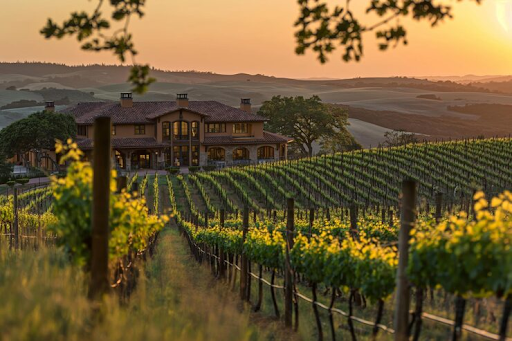
Choosing the “best” winery in Napa Valley is impossible because every visitor wants something different. Some travelers dream of sipping Cabernet on a hilltop terrace, while others are looking for intimate cellar tastings, vineyard walks, or conversations with passionate winemakers. That’s exactly what makes Napa so rewarding—there isn’t a single perfect winery, only the one that’s perfect for your interests.
Instead of chasing every famous name on a top-ten list, it’s better to understand what kind of experience you want before planning your trip. Whether you’re a first-time visitor or returning to explore more of the valley, knowing what distinguishes one winery from another will help you create a day that’s memorable rather than rushed.
Understanding Napa Beyond the Postcards
Most people picture Napa Valley as endless vineyards dotted with elegant estates, stone wineries, and scenic mountain backdrops. While that image certainly exists, there’s another side to the valley that visitors quickly discover.
On popular weekends, Highway 29 becomes busy with travelers moving between tastings, restaurant reservations, and hotels. Without some planning, valuable vacation time can disappear in traffic instead of enjoying wine.
Fortunately, Napa offers far more than its main highway. Each section of the valley has its own personality.
The southern end near Napa enjoys cooler temperatures influenced by San Pablo Bay, making it ideal for varieties that benefit from a slightly milder climate. As you travel north toward St. Helena and Calistoga, warmer weather creates ideal growing conditions for fuller-bodied red wines, especially Cabernet Sauvignon.
The surrounding mountain appellations—including Howell Mountain, Spring Mountain, and Atlas Peak—produce wines with noticeably different character because of their elevation, soils, and cooler nights.
Understanding these regional differences helps visitors choose wineries that better match their personal taste rather than relying solely on popularity.
What Makes a Great Tasting Experience?
Excellent wine certainly matters, but it’s only one part of a memorable visit.
The best wineries in Napa valley that guests remember most are often those where the tasting feels personal rather than transactional. Instead of simply pouring wine and describing tasting notes, knowledgeable hosts explain the vineyard’s history, the growing season, and the winemaking decisions that shaped each vintage.
Look for wineries that offer experiences beyond a standard tasting flight, such as:
- Guided vineyard walks
- Barrel tastings
- Food and wine pairings
- Library wine tastings
- Cave tours
- Small-group seated experiences
These experiences allow visitors to connect with both the wines and the people behind them.
Another good sign is a winery that pours wines unavailable in retail stores. Estate-only releases, limited-production bottlings, and older vintages create opportunities to taste wines that can’t easily be found elsewhere.
Those unique pours often become the highlights of an entire Napa trip.
Why Reservations Are Worth It
Years ago, visitors could drive through Napa and stop wherever they pleased. Today, reservations have become the preferred way to experience many wineries, and that’s generally a positive change.
Appointment-only tastings allow wineries to control group sizes, provide more attentive service, and create relaxed environments where visitors never feel rushed.
Instead of waiting for space at a crowded tasting bar, guests often enjoy reserved seating overlooking vineyards or private tasting rooms designed for smaller groups.
When booking appointments, don’t automatically choose the busiest weekend times. Midweek visits—particularly Tuesday through Thursday—offer several advantages:
- Smaller crowds
- More interaction with tasting hosts
- Greater scheduling flexibility
- Easier restaurant reservations
- A quieter atmosphere throughout the valley
The exact same winery can feel entirely different depending on the day you visit.
Planning two or three carefully selected tastings usually creates a far better experience than trying to squeeze five or six into one afternoon.
Looking Beyond the Famous Labels
Many visitors arrive with a list of well-known wineries they’ve seen in travel magazines or social media posts. While many famous estates deserve their reputation, Napa’s smaller producers are often equally rewarding.
Family-owned wineries frequently offer more intimate experiences, allowing guests to spend extra time learning about vineyard practices, sustainability efforts, and the wine making process.
These smaller operations may produce only a few thousand cases each year, making many of their wines difficult—or impossible—to purchase outside the winery.
Asking your host questions such as:
- Which wine are you personally most proud of?
- What vintage surprised you?
- Do you have anything not listed on today’s tasting menu?
can lead to unexpected discoveries that become the highlight of your visit.
Some wineries even offer library wines from older vintages or experimental blends for curious guests who show genuine interest.
Pair Your Tastings with Great Food
One mistake many visitors make is treating lunch as an afterthought.
Wine tasting is much more enjoyable when balanced with a proper meal, and Napa’s culinary scene has become every bit as impressive as its wineries.
Yountville, St. Helena, and downtown Napa feature restaurants ranging from casual cafés to Michelin-starred dining experiences. Taking time for lunch not only gives your palate a break but also creates a more relaxed pace for the day.
Food also changes how wine tastes. Rich reds become more balanced alongside grilled meats, while crisp whites shine when paired with seafood or lighter dishes.
Rather than viewing lunch as a pause between wineries, think of it as an essential part of the overall Napa experience.
Quality Over Quantity
One of the biggest misconceptions about Napa Valley is that visiting more wineries automatically creates a better trip.
In reality, the opposite is often true.
Spending meaningful time at two or three wineries allows you to ask questions, appreciate different wines, enjoy the scenery, and avoid feeling rushed.
Trying to visit six wineries usually leads to palate fatigue, tighter schedules, and fewer memorable moments.
The best Napa itineraries leave room for spontaneity—a scenic overlook, an unexpected recommendation, or simply sitting on a terrace enjoying one final glass instead of rushing to the next appointment.
Final Thoughts
Finding your ideal winery in Napa isn’t about following someone else’s rankings—it’s about choosing experiences that match your interests.
Whether you enjoy historic estates, boutique family wineries, mountain vineyards, or elegant food pairings, Napa offers remarkable diversity within a relatively small region.
Take time to research your options, book reservations in advance, remain curious throughout each tasting, and resist the temptation to pack every hour with activity. The wineries you’ll remember years later won’t necessarily be the most famous—they’ll be the ones where great wine, genuine hospitality, and meaningful conversation came together to create something special.
For travelers looking for honest recommendations rather than sponsored rankings, EatSipGo shares firsthand insights into the best wineries in Napa Valley, helping visitors build an itinerary based on experience instead of popularity.


